

Ensuring the stability of PVC control cable signal transmission is a critical aspect in various industries where reliable data and power transfer are essential. As a PVC control cable supplier, I understand the significance of providing high - quality cables that can maintain stable signal transmission under different conditions. In this blog, I will share some key strategies and considerations to achieve this goal.
1. Cable Design and Material Selection
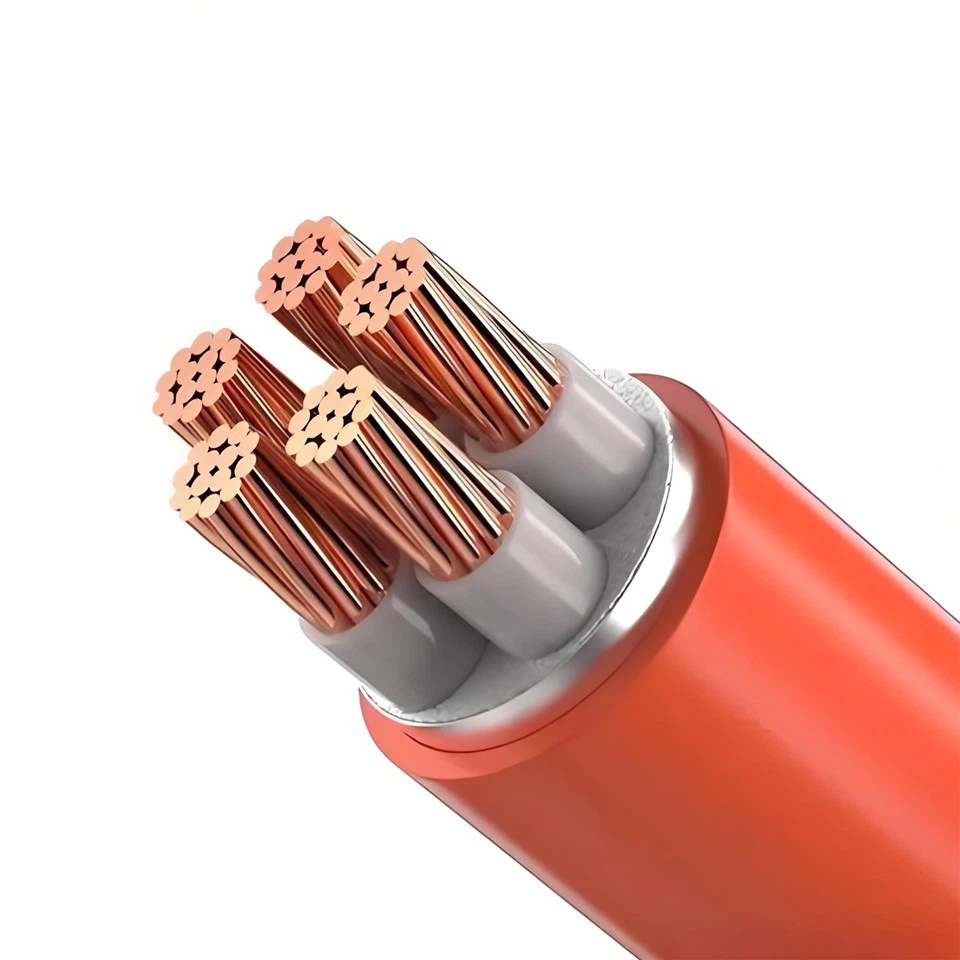
The design and material of a PVC control cable play a fundamental role in signal stability. Firstly, the conductor material is of utmost importance. Copper is a popular choice due to its excellent electrical conductivity. High - purity copper conductors can minimize resistance, which in turn reduces signal loss during transmission. For example, in applications where long - distance signal transmission is required, using copper conductors with a larger cross - sectional area can significantly improve signal stability.
PVC, as the insulation material, also needs to be of high quality. The PVC used should have good dielectric properties, which means it can effectively isolate the conductors and prevent electrical interference. A well - formulated PVC insulation can resist environmental factors such as moisture, heat, and chemicals, ensuring that the cable can operate stably in different environments.
In addition to the conductor and insulation, the shielding design is crucial for signal stability. A proper shielding layer can protect the cable from external electromagnetic interference (EMI). There are different types of shielding, such as braided shielding and foil shielding. Braided shielding provides good mechanical protection and can effectively block high - frequency EMI, while foil shielding is more suitable for low - frequency interference. For instance, in industrial environments where there are a lot of electrical equipment generating EMI, a cable with both braided and foil shielding can be used to ensure stable signal transmission.
2. Installation and Routing
Proper installation and routing of PVC control cables are essential for signal stability. During installation, it is important to avoid sharp bends and kinks in the cable. Sharp bends can cause damage to the conductors and insulation, leading to increased signal loss. The minimum bending radius specified by the cable manufacturer should be strictly followed.
When routing the cables, they should be separated from power cables and other sources of interference. Power cables can generate strong electromagnetic fields that can interfere with the signal in the control cables. A recommended distance between control cables and power cables should be maintained to reduce the impact of EMI. For example, in a factory setting, control cables can be routed in separate cable trays or conduits away from power cables.
Moreover, the cables should be secured properly to prevent movement and vibration. Movement and vibration can cause mechanical stress on the cable, which may lead to conductor breakage or insulation damage over time. Using cable ties or clamps to secure the cables at regular intervals can help maintain the integrity of the cable and ensure stable signal transmission.
3. Testing and Quality Control
Before the cables are delivered to the customers, comprehensive testing and quality control measures should be implemented. This includes electrical testing to measure the resistance, capacitance, and insulation resistance of the cable. These parameters can directly reflect the electrical performance of the cable and help identify any potential issues.
For example, a low insulation resistance may indicate a problem with the insulation, such as moisture ingress or damage. By conducting insulation resistance tests, we can ensure that the cable meets the required standards and can provide stable signal transmission.
In addition to electrical testing, mechanical testing is also necessary. This includes tests for tensile strength, bending strength, and impact resistance. These tests can ensure that the cable can withstand the mechanical stress during installation and operation.
We also perform environmental testing to evaluate the cable's performance under different environmental conditions, such as high temperature, low temperature, humidity, and chemical exposure. By subjecting the cables to these tests, we can ensure that they can operate stably in various real - world environments.
4. Maintenance and Monitoring
Once the cables are installed and in operation, regular maintenance and monitoring are required to ensure long - term signal stability. Maintenance includes visual inspections to check for any signs of damage, such as cracks in the insulation or exposed conductors. If any damage is found, it should be repaired or replaced immediately to prevent further problems.
Monitoring the signal quality is also important. This can be done using specialized equipment to measure parameters such as signal strength, signal - to - noise ratio, and bit error rate. By continuously monitoring these parameters, we can detect any changes in the signal quality early and take appropriate measures to address the issues.
5. Compatibility with Other Components
PVC control cables need to be compatible with other components in the system, such as connectors, switches, and control devices. Incompatible components can cause signal reflection, impedance mismatch, and other problems, which can affect signal stability.
When selecting connectors, for example, they should be of the same type and specification as the cable. The connectors should have good electrical contact and mechanical stability to ensure reliable signal transmission. Similarly, when integrating the cable with control devices, the electrical characteristics of the cable and the device should be matched to avoid signal distortion.
Related Products
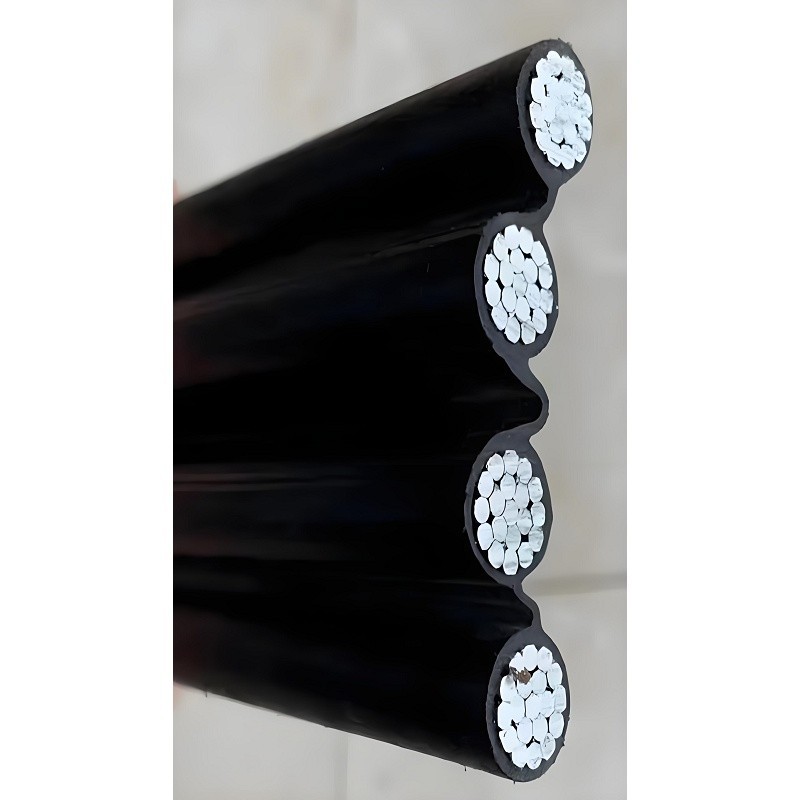
If you are also interested in other types of cables, we offer a wide range of products, including Aluminum Service Drop Cable, Screened Control Cable, and Mining Electrical Cable. These cables are designed to meet different application requirements and provide reliable performance.
Conclusion
Ensuring the stability of PVC control cable signal transmission requires a comprehensive approach that includes cable design, installation, testing, maintenance, and compatibility with other components. As a PVC control cable supplier, we are committed to providing high - quality cables and professional technical support to help our customers achieve stable signal transmission in their applications.
If you are in need of PVC control cables or have any questions about signal transmission stability, please feel free to contact us for procurement and further discussions. We look forward to working with you to meet your cable needs.
References
- "Electrical Engineering Handbook", edited by Richard C. Dorf.
- "Cable Installation and Maintenance Guide", published by a leading cable industry association.