

As a supplier of commercial wiring cables, I often encounter questions from customers about the potential use of our products in automotive applications. This topic is quite complex and requires a comprehensive understanding of both commercial wiring cables and automotive electrical systems. In this blog, I will delve into the details to examine whether commercial wiring cables can be used in automotive applications.
Understanding Commercial Wiring Cables
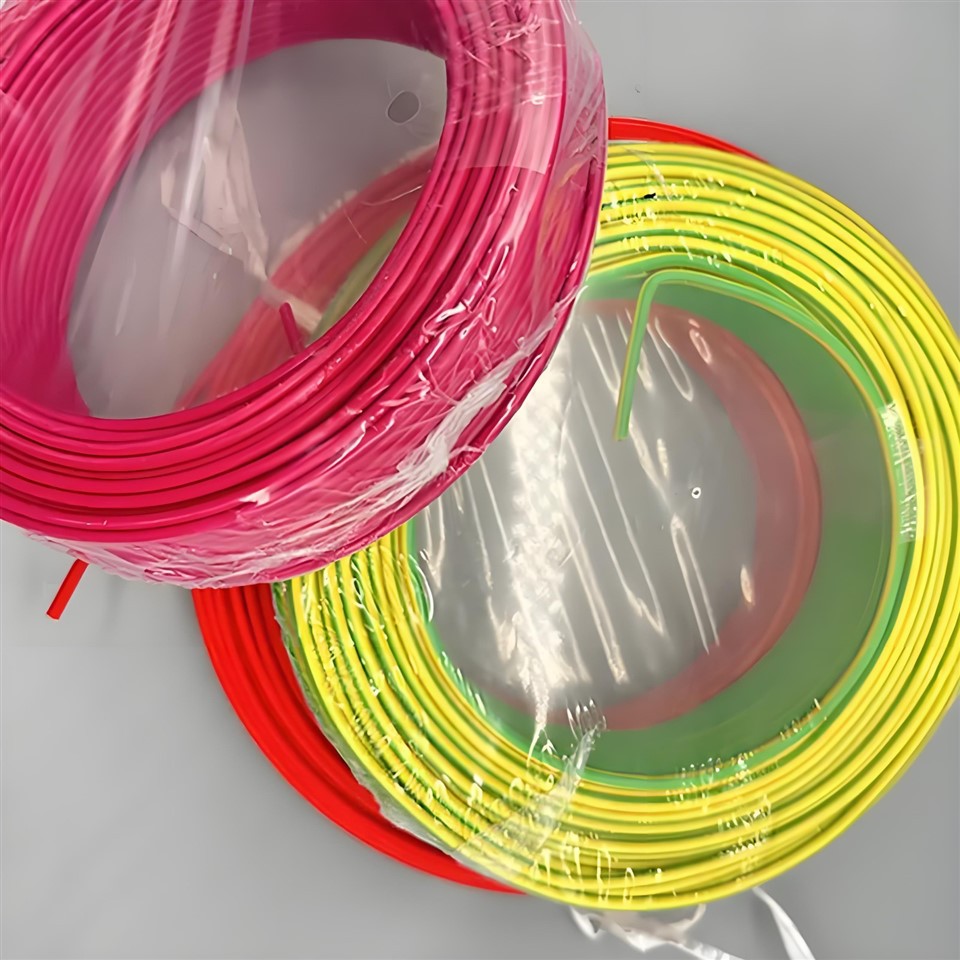
Commercial wiring cables are designed for use in commercial and industrial buildings. They come in various types, such as Flexible Building Wire, Commercial Building Wire, Cable for House, House Cable Wiring, and Residential Low Voltage Wiring. These cables are engineered to meet specific requirements of building electrical systems, including safety, durability, and compliance with building codes.
The construction of commercial wiring cables typically involves multiple conductors insulated with materials like PVC (polyvinyl chloride) or XLPE (cross-linked polyethylene). The insulation provides electrical isolation and protection against environmental factors such as moisture, heat, and chemicals. The conductors are usually made of copper or aluminum, chosen for their excellent electrical conductivity.
Automotive Electrical Systems Requirements
Automotive electrical systems have unique requirements that differ significantly from those of commercial buildings. In a vehicle, the electrical system must be able to withstand harsh conditions, including high vibrations, extreme temperatures, and exposure to automotive fluids such as oil, gasoline, and coolant.
Automotive cables need to be flexible enough to bend and move with the vehicle's components without breaking. They also must have a high degree of abrasion resistance to prevent damage from rubbing against other parts of the vehicle. Additionally, automotive cables are designed to operate at relatively low voltages (usually 12V or 24V) and are often required to carry high currents for short periods, such as when starting the engine.

Compatibility Issues
One of the main concerns when considering using commercial wiring cables in automotive applications is the difference in environmental conditions. Commercial cables are typically designed for indoor use in a relatively stable environment. In contrast, automotive cables are exposed to a wide range of temperatures, from extremely cold in winter to very hot in summer. The insulation materials used in commercial cables may not be able to withstand these temperature extremes, leading to cracking, melting, or loss of insulation properties.
Another issue is the vibration and mechanical stress in vehicles. Commercial cables are not designed to handle the constant vibrations and movements that occur in an automotive environment. Over time, the repeated flexing and shaking can cause the conductors to break or the insulation to wear off, resulting in electrical shorts or malfunctions.
Automotive fluids can also pose a problem for commercial wiring cables. The insulation materials used in commercial cables may be susceptible to damage from oil, gasoline, and coolant. Exposure to these fluids can cause the insulation to swell, degrade, or lose its electrical insulating properties.
Safety Considerations
Safety is a critical factor in both commercial and automotive applications. In commercial buildings, wiring cables are required to meet strict safety standards to prevent electrical fires and other hazards. Similarly, automotive electrical systems must meet safety regulations to ensure the reliable operation of the vehicle and the safety of its occupants.
Using commercial wiring cables in automotive applications may not meet the safety requirements of the automotive industry. For example, automotive cables are often designed with flame-retardant materials to prevent the spread of fire in case of an electrical short. Commercial cables may not have the same level of fire resistance, which could pose a significant safety risk in a vehicle.
Cost - Benefit Analysis
From a cost - benefit perspective, using commercial wiring cables in automotive applications may seem attractive at first glance. Commercial cables are generally less expensive than automotive cables, and if they could be used interchangeably, it would save money. However, the potential risks and costs associated with using unsuitable cables must be considered.
If a commercial cable fails in an automotive application, it could lead to costly repairs, vehicle downtime, and even safety hazards. The cost of replacing a failed cable and any associated damage could far outweigh the initial savings from using a cheaper commercial cable.
Exceptions and Special Cases
In some rare cases, commercial wiring cables may be used in automotive applications under specific conditions. For example, in a custom - built vehicle or a non - critical electrical system where the environmental conditions are less severe, a commercial cable with appropriate insulation and mechanical properties may be considered. However, this should only be done after a thorough assessment of the requirements and potential risks.
Conclusion
In general, commercial wiring cables are not suitable for use in automotive applications due to the differences in environmental conditions, mechanical requirements, and safety standards. While there may be some exceptions, it is crucial to prioritize safety and reliability when choosing electrical cables for automotive use.
As a supplier of commercial wiring cables, I understand the importance of providing the right products for the right applications. If you have any questions about our commercial wiring cables or need advice on choosing the appropriate cables for your project, please feel free to contact us. We are more than happy to assist you in making the best decision for your electrical needs.
References
- Electrical Wiring Handbook, McGraw - Hill
- Automotive Electrical and Electronic Systems, Delmar Cengage Learning