

When it comes to the world of cables, two types that often come up in discussions are ribbon cables and parallel cables. As a cable supplier, I've had the opportunity to work with both types extensively and understand their unique characteristics, applications, and differences. In this blog post, I'll delve into the distinctions between ribbon cables and parallel cables to help you make an informed decision when choosing the right cable for your needs.
Physical Structure
One of the most noticeable differences between ribbon cables and parallel cables lies in their physical structure. A ribbon cable, as the name suggests, consists of multiple conducting wires laid parallel to each other and encased in a flat, ribbon - like sheath. This design gives the cable a distinct flat appearance, which is both space - efficient and easy to manage. The wires are typically arranged in a single row, and the spacing between them is uniform, making it ideal for applications where a compact and organized cable layout is required.
On the other hand, a parallel cable also contains multiple wires running parallel to each other, but it doesn't necessarily have the flat, ribbon - like form. Parallel cables can be round or have a more traditional cable shape. The wires in a parallel cable may be bundled together more loosely compared to a ribbon cable, and the overall cable may be bulkier.
Conductivity and Signal Transmission
In terms of conductivity, both ribbon cables and parallel cables are designed to carry electrical signals. However, the way they transmit these signals can vary.
Ribbon cables are often used for low - voltage, low - speed data transmission. The close proximity of the wires in a ribbon cable can lead to electromagnetic interference (EMI) if not properly shielded. This interference can degrade the quality of the signal being transmitted, especially at higher frequencies. As a result, ribbon cables are commonly used in applications such as internal computer connections, like connecting the hard drive to the motherboard, where the distances are short and the data transfer rates are relatively low.
Parallel cables, on the other hand, are capable of handling higher speeds and more complex signals. They are often used in applications where large amounts of data need to be transferred simultaneously, such as in printers and scanners. The individual wires in a parallel cable can be shielded to reduce EMI, allowing for more reliable signal transmission over longer distances. For example, the parallel port on a computer was once a popular interface for connecting printers, and it used a parallel cable to transfer data quickly.
Flexibility and Durability
Flexibility is another area where ribbon cables and parallel cables differ. Ribbon cables are generally more flexible than parallel cables due to their flat design. This makes them easy to bend and route around tight spaces, which is an advantage in applications where the cable needs to be maneuvered within a confined area. However, their flat structure also makes them more prone to damage if bent too sharply or folded repeatedly.
Parallel cables, while less flexible, are more durable in some respects. Their round or more traditional cable shape provides better protection against physical damage, such as being crushed or pinched. This makes them suitable for applications where the cable may be exposed to rough handling or harsh environments.
Applications
The differences in physical structure, conductivity, and flexibility lead to different applications for ribbon cables and parallel cables.
Ribbon cables are commonly used in the following applications:
- Computer Internal Connections: As mentioned earlier, ribbon cables are used to connect various components inside a computer, such as the hard drive, optical drive, and floppy drive to the motherboard. Their flat design allows for easy installation and efficient use of space within the computer case.
- Consumer Electronics: They are also used in devices like televisions, DVD players, and game consoles for internal wiring. The compact nature of ribbon cables helps in reducing the overall size of the device.
Parallel cables, on the other hand, find their applications in:
- Peripheral Devices: Printers, scanners, and other external devices often use parallel cables to connect to the computer. The parallel cable allows for high - speed data transfer, enabling these devices to function efficiently.
- Industrial Applications: In industrial settings, parallel cables are used for connecting control systems, sensors, and other equipment. Their ability to handle complex signals and provide reliable communication makes them suitable for these applications.
Our Cable Offerings
As a cable supplier, we offer a wide range of cables to meet different customer needs. We have a variety of ribbon cables in different lengths, wire gauges, and colors to ensure that you can find the right cable for your specific application. Our ribbon cables are made from high - quality materials to ensure reliable performance.
In addition to ribbon cables, we also supply parallel cables. Our parallel cables are designed to be durable and efficient, with proper shielding to minimize EMI. We understand the importance of quality in cable products, and we ensure that all our cables meet industry standards.
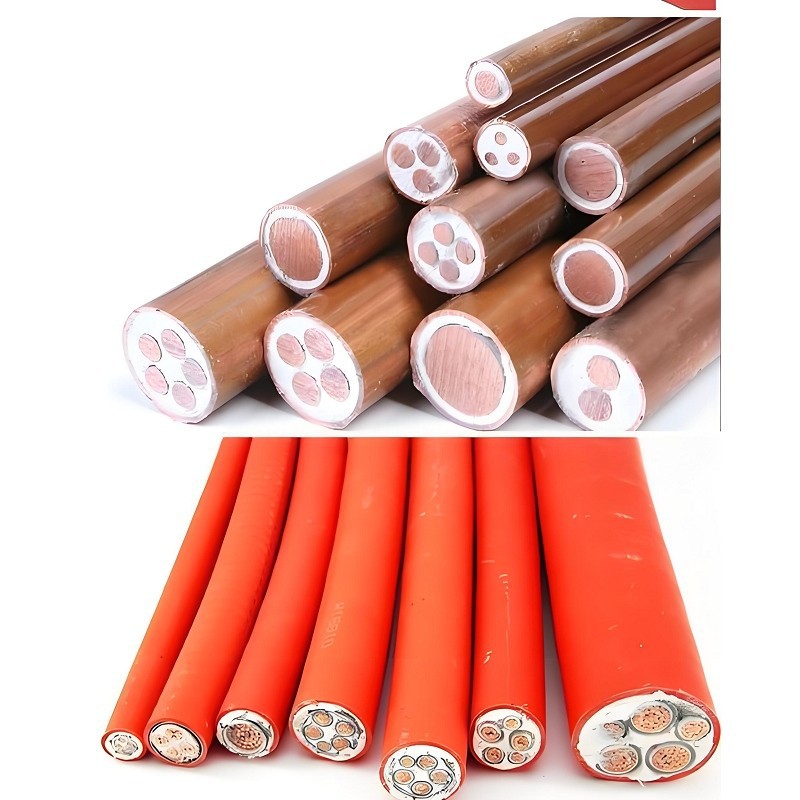
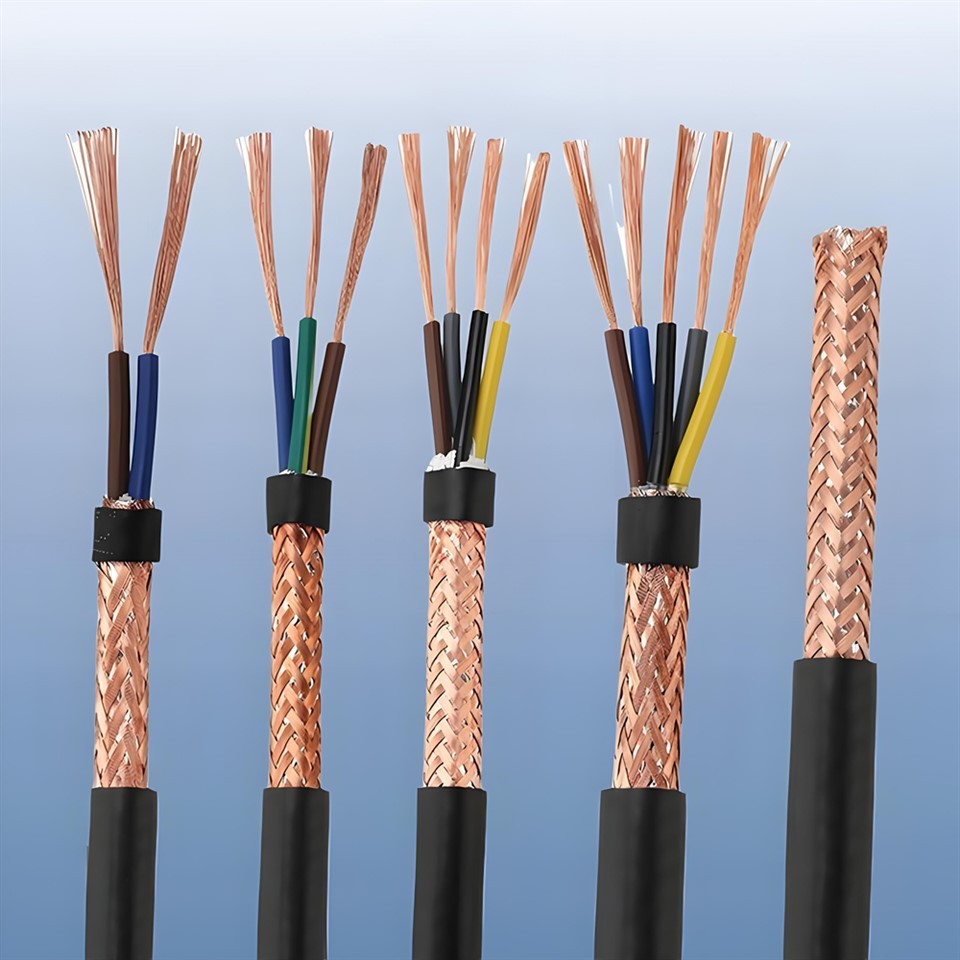
If you're looking for other types of cables, we also offer Copper Control Cable, Overhead Insulated Cable, Medium Voltage Power Cable, Mining Electrical Cable, and Quadruplex Overhead Wire. These cables are suitable for a variety of industrial, commercial, and residential applications.
Contact Us for Procurement
If you're in the market for cables, whether it's a ribbon cable, parallel cable, or any of our other cable products, we're here to help. Our team of experts can provide you with detailed information about our products, assist you in choosing the right cable for your needs, and offer competitive pricing.
We understand that every customer has unique requirements, and we're committed to providing personalized solutions. Whether you're a small business looking for a few cables or a large corporation in need of a bulk order, we can accommodate your needs.
Don't hesitate to reach out to us to discuss your cable procurement needs. We look forward to working with you and providing you with high - quality cable products.
References
- "Cable and Wire Handbook", Third Edition, by Keith Billings
- "Electrical Engineering: Principles and Applications", Fourth Edition, by Allan R. Hambley