

Hey there! As a supplier of Overhead Insulated Cable, I've seen firsthand how the weight of these cables can have a big impact on their installation. In this blog, I'm gonna share some insights on how cable weight affects the installation process, and why it's important to consider this factor when choosing the right cable for your project.
Let's start with the basics. The weight of an overhead insulated cable is determined by several factors, including the type of conductor material, the insulation thickness, and the overall cable construction. For example, cables made of copper are generally heavier than those made of aluminum because copper has a higher density. Similarly, cables with thicker insulation will also be heavier than those with thinner insulation.
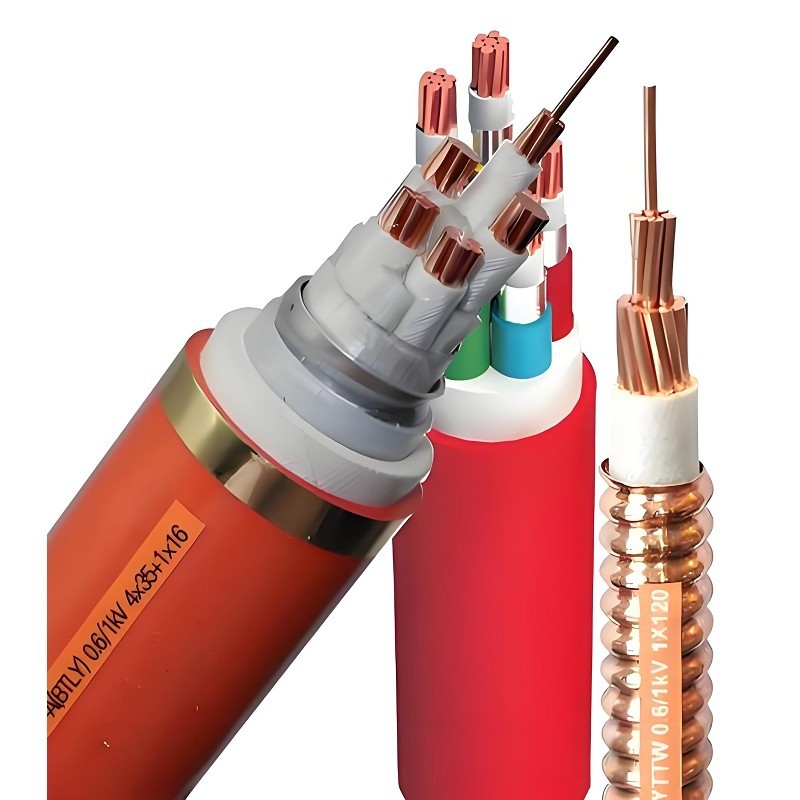

So, how does the weight of the cable affect its installation? Well, one of the most obvious impacts is on the handling and transportation of the cable. Heavier cables are more difficult to move around, which can make it challenging to get them to the installation site. This can lead to increased labor costs and longer installation times, as more people and equipment may be required to handle the cable.
In addition to the handling and transportation challenges, the weight of the cable can also affect the installation process itself. For example, heavier cables may require stronger support structures to hold them in place. This means that additional poles or towers may need to be installed, which can increase the overall cost of the project.
Another important consideration is the tension that the cable will be under during installation. Heavier cables will require more tension to keep them in place, which can put additional stress on the support structures. This can lead to a higher risk of damage to the cables and the support structures, which can be costly to repair.
Now, let's talk about some of the specific types of cables that we offer as a supplier. We have a wide range of Medium Voltage Power Cable that are designed for use in various applications. These cables are available in different sizes and configurations, and we can help you choose the right one for your project based on your specific requirements.
We also offer Industrial Power Cable that are designed for use in industrial settings. These cables are built to withstand harsh environments and heavy use, and they are available in a variety of insulation materials and conductor sizes.
Finally, we have Pvc Control Cable that are used for control and signaling applications. These cables are typically smaller and lighter than power cables, but they still need to be installed carefully to ensure proper performance.
When it comes to choosing the right cable for your project, it's important to consider the weight of the cable in addition to other factors such as the voltage rating, the insulation material, and the conductor size. By choosing a cable that is the right weight for your project, you can ensure that it is easy to handle and install, and that it will perform reliably over the long term.
In conclusion, the weight of an overhead insulated cable can have a significant impact on its installation. Heavier cables can be more difficult to handle and transport, and they may require stronger support structures and more tension to keep them in place. As a supplier of overhead insulated cables, we can help you choose the right cable for your project based on your specific requirements. If you're interested in learning more about our products or discussing your project with us, please don't hesitate to reach out. We're here to help you find the best solution for your needs.
References
- Electrical Engineering Handbook, various editions
- Cable Installation Guidelines from industry standards organizations