

Can single core building wire be used in a marine environment?
As a supplier of Single Core Building Wire, I often encounter inquiries about the suitability of our products in various environments, especially the challenging marine setting. In this blog post, I'll delve into the factors that determine whether single core building wire can be used in a marine environment and provide insights based on scientific understanding and industry experience.
Understanding the Marine Environment
The marine environment is characterized by several harsh conditions that can significantly impact the performance and longevity of electrical wiring. These conditions include high humidity, saltwater exposure, temperature fluctuations, and mechanical stress from waves and vibrations. Saltwater, in particular, is highly corrosive due to the presence of various salts and minerals. When electrical wires are exposed to saltwater, the metal conductors can corrode, leading to increased resistance, reduced conductivity, and ultimately, electrical failures.
Characteristics of Single Core Building Wire
Single core building wire typically consists of a single conductor, usually made of copper or aluminum, surrounded by an insulating material. Copper is a popular choice for its excellent electrical conductivity, ductility, and resistance to corrosion compared to some other metals. However, even copper can be affected by the harsh marine environment over time.
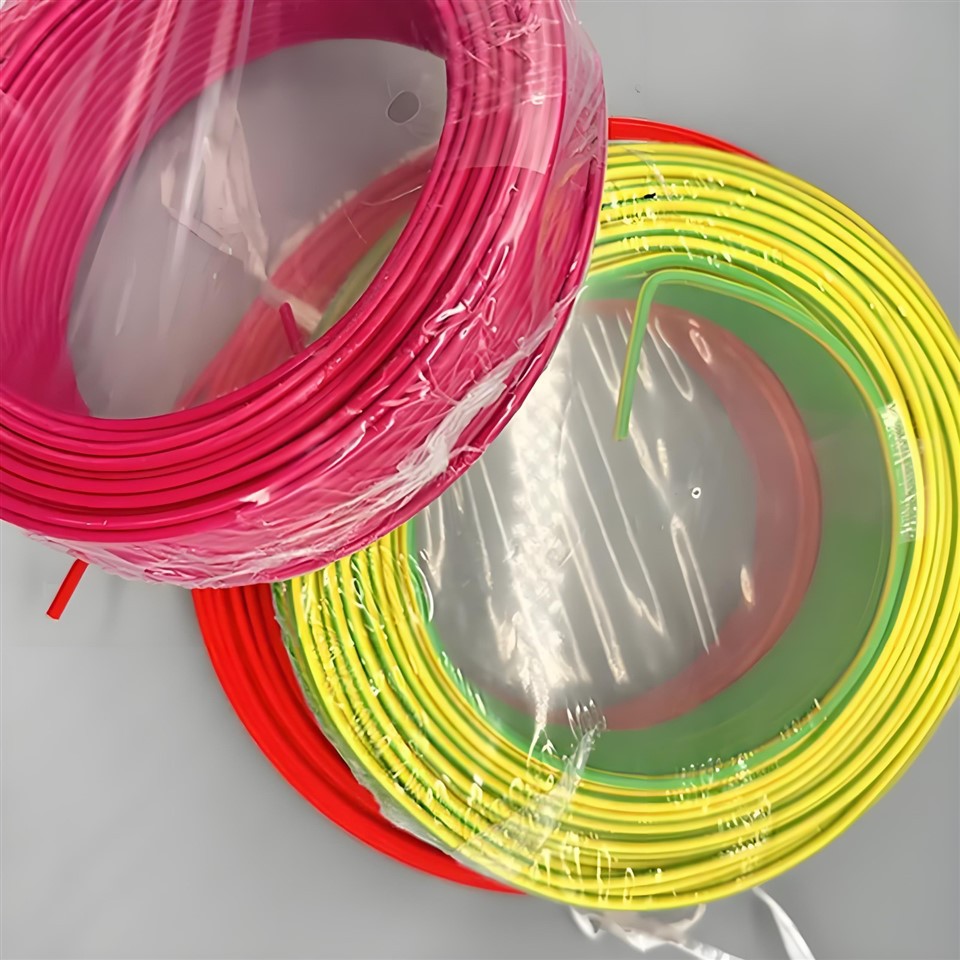

The insulation material plays a crucial role in protecting the conductor from environmental factors. Common insulation materials for single core building wire include PVC (polyvinyl chloride), XLPE (cross-linked polyethylene), and rubber. Each material has its own properties and limitations when it comes to withstanding the marine environment.
Advantages of Using Single Core Building Wire in a Marine Environment
- Simplicity and Cost - Effectiveness: Single core building wire is relatively simple in design and construction, which can make it more cost - effective compared to some specialized marine wiring solutions. For small - scale marine applications or budget - conscious projects, single core wire can be an attractive option.
- Flexibility: Single core wires are often more flexible than multi - core cables, which can be beneficial in installations where the wire needs to be bent or routed through tight spaces on a boat or other marine structures.
Challenges and Limitations
- Corrosion Resistance: While copper is relatively corrosion - resistant, the saltwater in the marine environment can still cause corrosion over time. This can lead to a decrease in the wire's conductivity and an increased risk of electrical failures. Even with proper insulation, if the insulation is damaged, the conductor is exposed to the corrosive elements.
- Moisture Ingress: High humidity and the possibility of water splashes in the marine environment can lead to moisture ingress into the wire. Moisture can degrade the insulation material, reducing its effectiveness in preventing electrical shorts and increasing the risk of electrical shock.
- Mechanical Stress: The constant movement and vibrations in a marine environment can subject the wire to mechanical stress. This can cause the insulation to crack or the conductor to break, especially if the wire is not properly secured or if it is not designed to withstand such stress.
Mitigating the Risks
- Coating and Protection: Applying a protective coating to the single core building wire can help enhance its corrosion resistance. For example, a tin - plated copper conductor can provide an extra layer of protection against saltwater corrosion. Additionally, using a wire with a high - quality, water - resistant insulation material can reduce the risk of moisture ingress.
- Proper Installation: Ensuring proper installation is crucial. This includes using appropriate cable glands, conduit systems, and securing the wire to prevent excessive movement. Regular inspections and maintenance can also help identify and address any potential issues before they become major problems.
Alternatives to Single Core Building Wire in a Marine Environment
- Residential Low Voltage Wiring: While not specifically designed for the marine environment, some types of residential low - voltage wiring may be suitable for certain low - power applications on boats or marine structures. However, they may still require additional protection and careful installation.
- Indoor Copper Building Wire: Indoor copper building wire is typically designed for use in dry, indoor environments. While it may be possible to use it in a marine environment with proper protection, it may not be the most ideal choice due to its lack of specific marine - grade features.
Conclusion
In conclusion, single core building wire can be used in a marine environment, but it comes with certain challenges and limitations. With proper precautions, such as using corrosion - resistant materials, applying protective coatings, and ensuring proper installation and maintenance, it can be a viable option for some marine applications. However, for more critical or high - risk applications, specialized marine wiring solutions may be more appropriate.
If you are considering using single core building wire in a marine project or have any questions about our products, I encourage you to reach out for a detailed discussion. Our team of experts is ready to assist you in selecting the right wiring solution for your specific needs. Whether it's a small boat or a large marine structure, we can provide the guidance and products to ensure a safe and reliable electrical system.
References
- "Electrical Wiring Handbook" by Terrell Croft and Wilford Summers
- "Marine Electrical Systems: A Practical Guide" by Nigel Calder