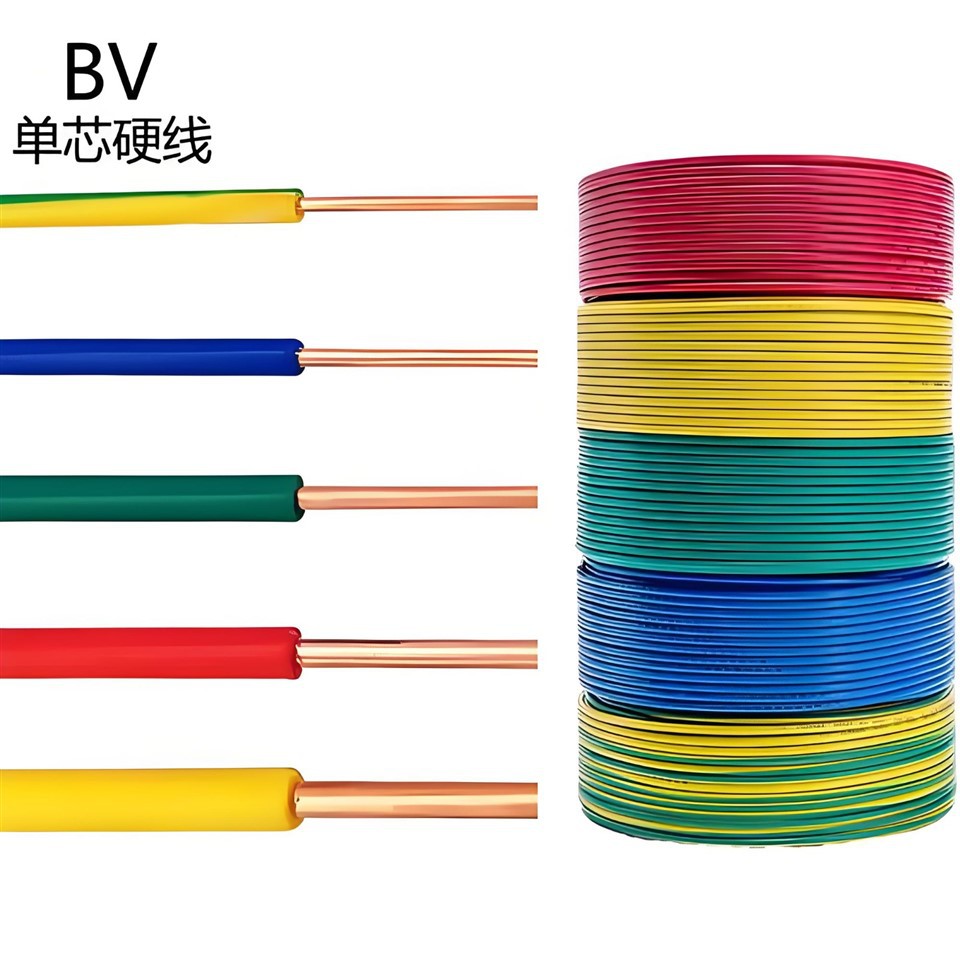
Electrical Backbone for High-Density Building Systems

In modern commercial buildings, electrical demand is no longer uniform. Lighting systems, HVAC equipment, elevators, escalators, security systems, and retail power loads all operate within the same infrastructure, but under very different current requirements.
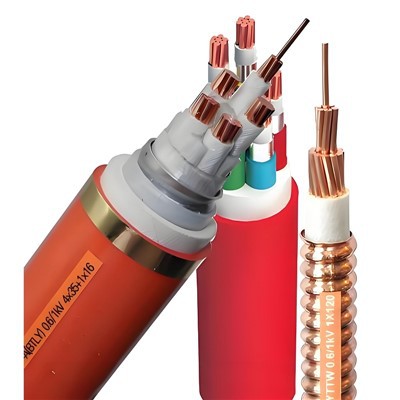
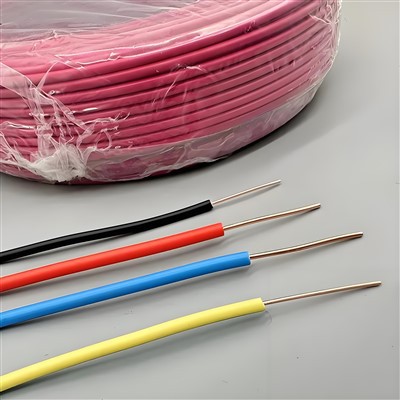
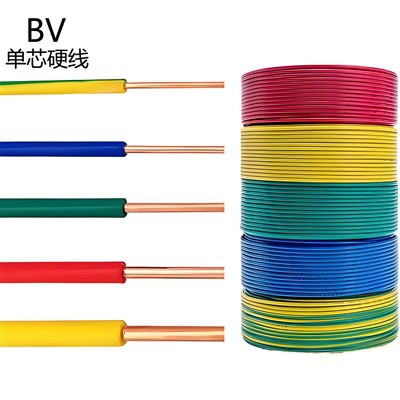
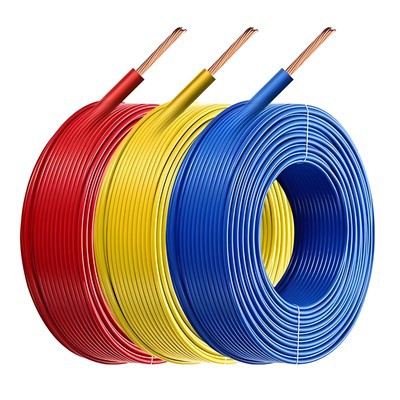
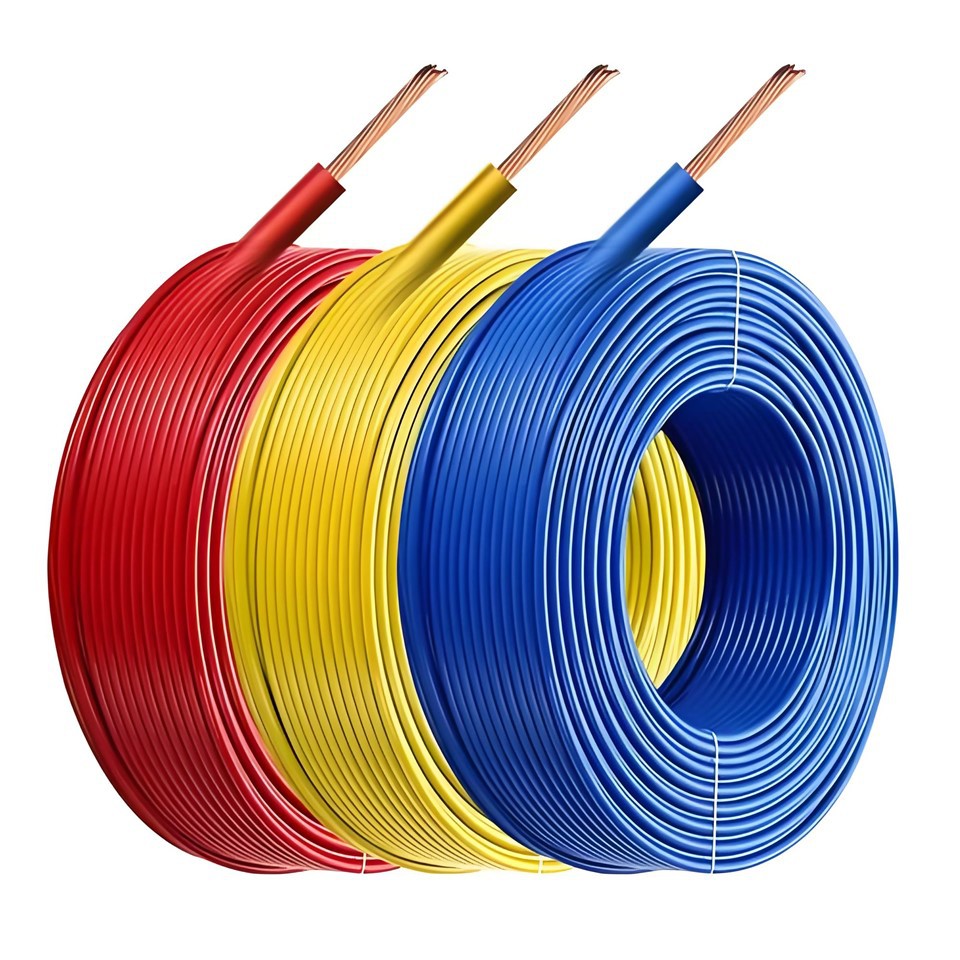
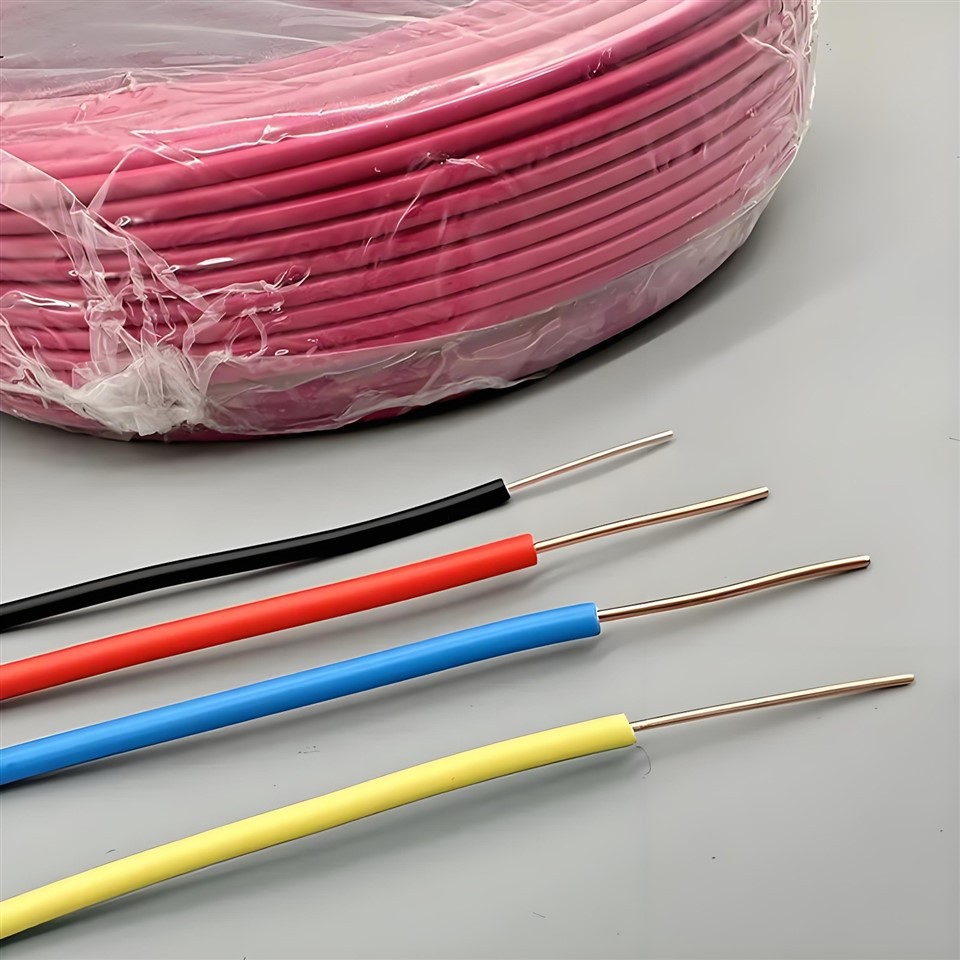
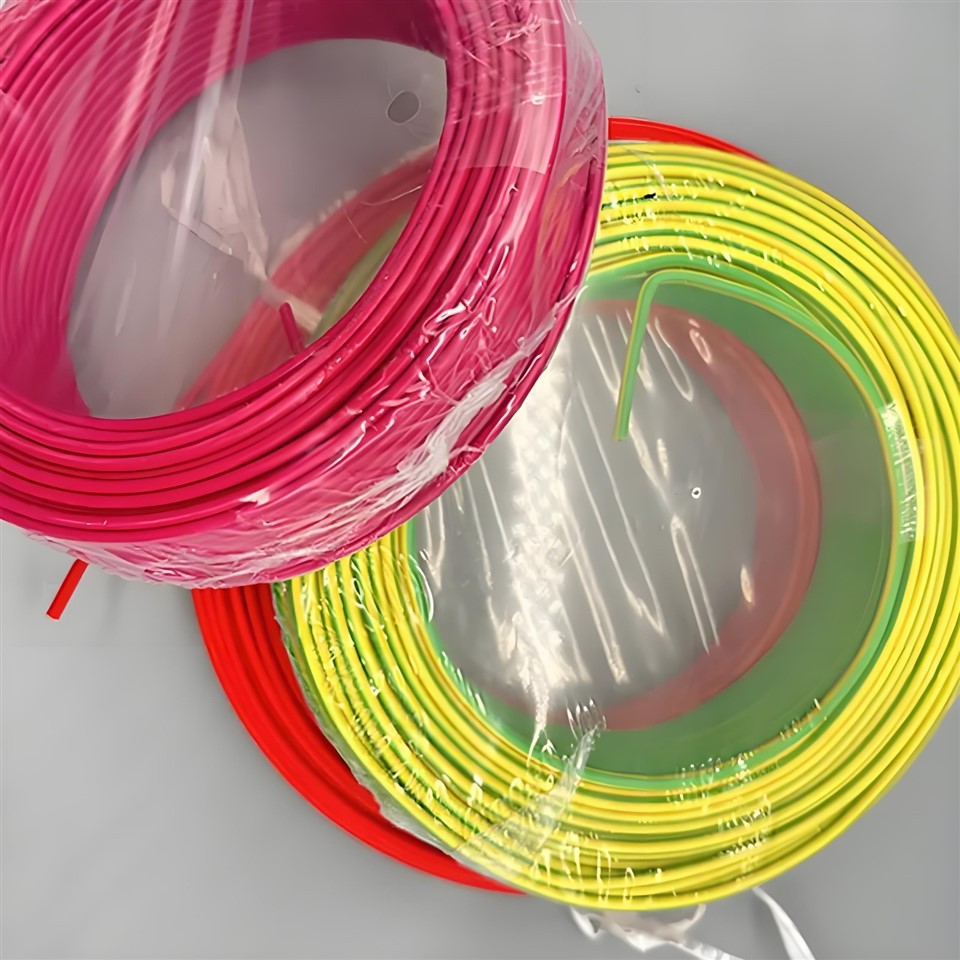
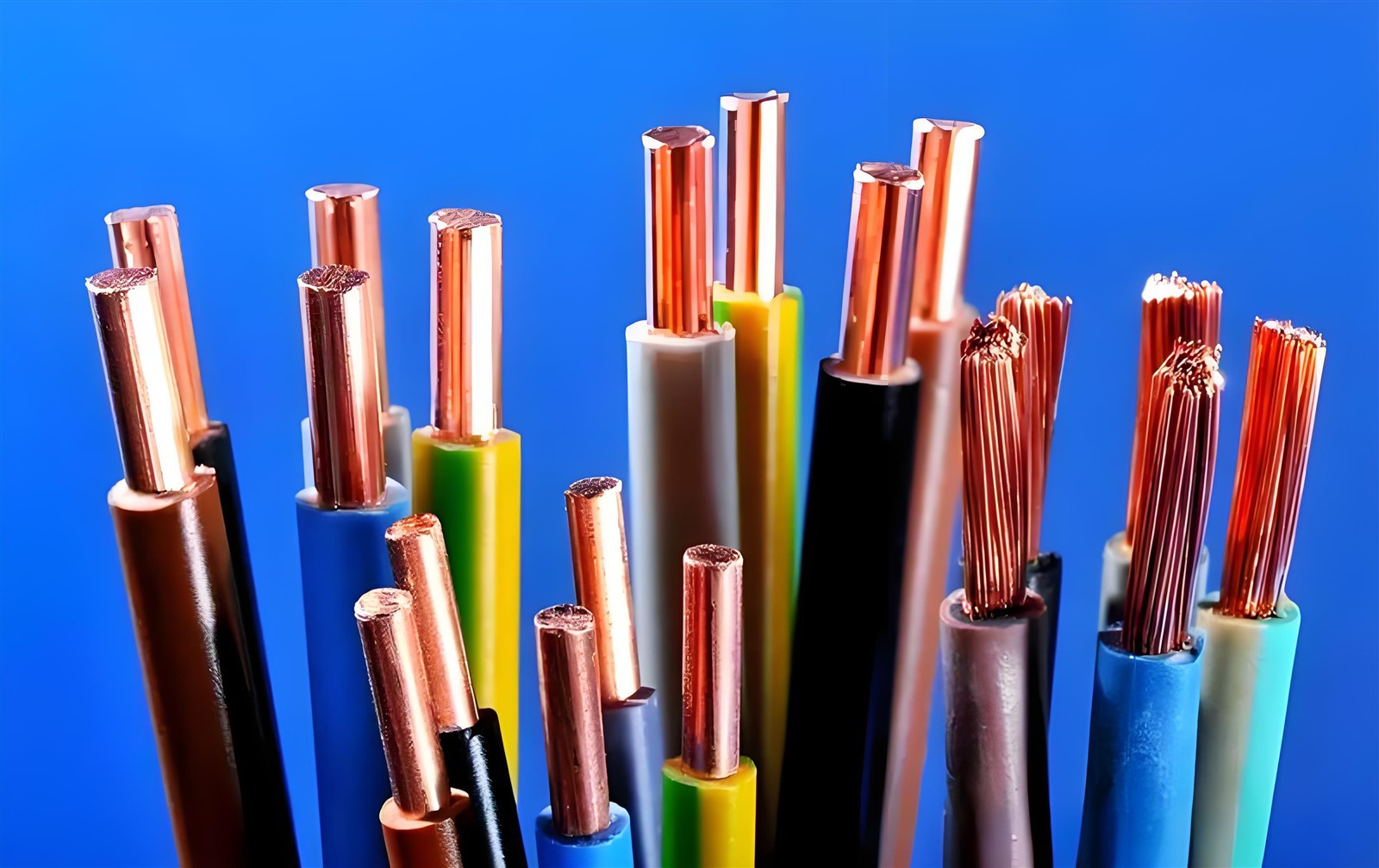
This commercial building electrical wire is designed to function as part of that layered distribution system. It uses oxygen-free copper conductors to ensure stable current delivery across long-distance riser shafts and horizontal floor distribution lines, where load variation is constant throughout the day.
The insulation system based on PVC or XLPE is optimized for continuous thermal cycling, which is common in commercial environments where power consumption fluctuates significantly between peak and off-peak hours.
In large-scale projects, commercial building electrical wire is typically used as the main internal distribution medium between floor-level panels and end-use circuits.
Role in Building Electrical Architecture
Unlike residential systems, commercial buildings rely on structured electrical zoning. Power is not simply distributed-it is segmented by function and load category.
This wiring system is commonly used in:
- Vertical riser power distribution systems
- Floor-level electrical distribution networks
- Retail lighting and display power circuits
- HVAC and mechanical equipment power lines
- Emergency and backup electrical systems
- Integrated building management systems
Within these networks, commercial wiring cable acts as the core conductor system that connects distribution panels to multiple functional load zones.
In mixed-use buildings, commercial wiring cable often operates alongside lighter residential systems, but under much higher continuous load conditions.
Engineering Considerations in Real Projects
Commercial electrical installations require stable performance under long operating cycles, not just peak load capacity.
For this reason, conductor sizing is designed to reduce voltage drop across multi-floor transmission paths, while insulation thickness is optimized to handle sustained heat buildup in dense cable trays and conduits.
The system is also designed for installation flexibility, allowing it to be routed through shafts, ceilings, and vertical distribution channels without compromising electrical stability.
In large projects, commercial wiring cable is often pre-planned together with load distribution diagrams to ensure balanced power allocation across the entire building.
Material and Specification Overview
|
Item |
Specification |
|
Voltage Rating |
450/750V |
|
Conductor |
Oxygen-Free Copper |
|
Insulation |
PVC / XLPE |
|
Structure |
Solid / Stranded Conductors Available |
|
Cross Section Range |
0.5–16mm² |
|
Temperature Rating |
70°C / 90°C |
|
Standard |
GB/T 5023 Series |

Hot Tags: residential low voltage wiring, China residential low voltage wiring manufacturers, suppliers, factory