

Hey there! As an outdoor aerial cable supplier, I often get asked how to figure out the length of cable needed for an outdoor project. It's not as simple as just measuring the distance between two points. There are a bunch of factors that come into play, and I'm here to walk you through the whole process.
Understanding the Basics
First off, you gotta know what you're working with. Outdoor aerial cables are used for all sorts of things, like power transmission, communication, and more. They're designed to withstand the elements, so they need to be tough.
When you're thinking about cable length, the most obvious thing is the distance between the starting and ending points. But it's not that straightforward. You also have to consider things like the route the cable will take, any obstacles in the way, and the sag that the cable will have.
Measuring the Distance
The first step is to measure the straight-line distance between the two points where the cable will be installed. You can use a measuring tape or a laser distance measurer for this. But remember, this is just the starting point.
Let's say you're installing a cable between two poles. You measure the distance between the poles and get, say, 50 meters. That's a good start, but you can't just order 50 meters of cable.
Accounting for Sag
Cables aren't going to be perfectly straight when they're installed. They'll sag a bit due to their own weight and the forces acting on them. The amount of sag depends on a few things, like the type of cable, the tension it's under, and the span between the supports.
To figure out how much sag you'll have, you can use some formulas or look at the manufacturer's specifications. A general rule of thumb is that for a typical outdoor aerial cable, you'll need to add about 2-5% to the straight-line distance to account for sag. So, if your straight-line distance is 50 meters, you might need to add 1-2.5 meters for sag.
Considering the Route
The route the cable takes can also affect the length. If there are obstacles like trees, buildings, or other structures in the way, you'll need to detour around them. This means you'll need more cable.
For example, if you have to go around a large tree, you might need to add an extra 5-10 meters of cable to get around it. You also have to think about the height of the cable. If you need to run the cable over a building or a hill, you'll need to account for the vertical distance as well.
Types of Cables and Their Requirements
Different types of outdoor aerial cables have different requirements. For example, Hv Power Cable is used for high-voltage power transmission. These cables are usually thicker and heavier, and they need to be installed with more care.
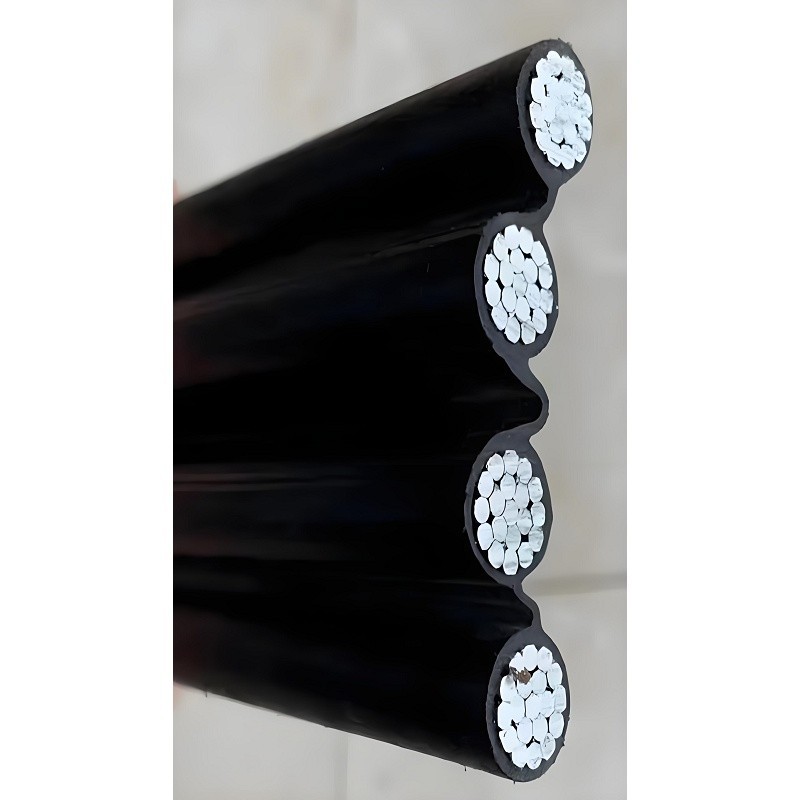
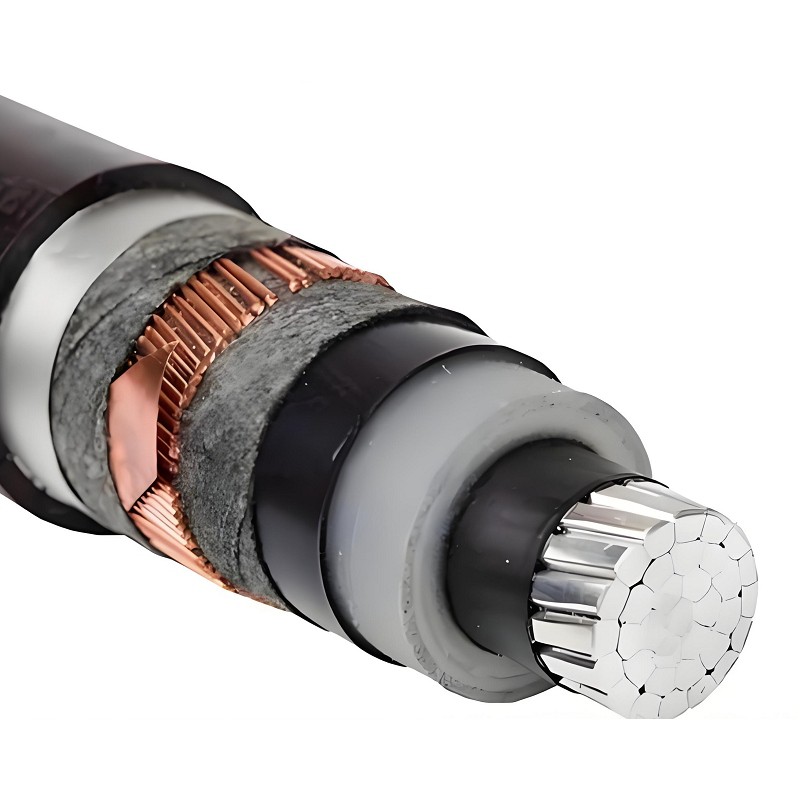
Mechanical Control Cable is used for controlling mechanical devices. They're often more flexible and have different installation requirements.
Aluminum Service Drop Cable is commonly used for connecting a building to the power grid. It's important to choose the right type of cable for your project to ensure it works properly.
Installation Considerations
When you're installing the cable, you also need to think about how it will be supported. You'll need to use poles, brackets, or other support structures. The spacing between the supports can affect the sag and the overall length of the cable.
If you're using poles, you'll need to make sure they're properly spaced and installed. The height of the poles can also affect the cable length. For example, if you have taller poles, the cable will have more sag, which means you'll need more cable.
Calculating the Final Length
Once you've considered all the factors, you can calculate the final length of the cable. Start with the straight-line distance, add the extra length for sag, and then add any additional length needed to account for the route and obstacles.
Let's say your straight-line distance is 50 meters, you add 2 meters for sag, and another 5 meters to go around an obstacle. Your total cable length would be 57 meters.
Why Choose Our Cables
As an outdoor aerial cable supplier, we offer high-quality cables that are designed to meet your needs. Our cables are made from the best materials and are tested to ensure they can withstand the elements.
We have a wide range of cables to choose from, including Hv Power Cable, Mechanical Control Cable, and Aluminum Service Drop Cable. Whether you're working on a small project or a large-scale installation, we have the right cable for you.
Contact Us for More Information
If you're still not sure how much cable you need or have any other questions, don't hesitate to reach out. We're here to help you figure out the best solution for your project. Whether you're a contractor, an electrician, or a DIY enthusiast, we can provide you with the guidance and support you need.
So, if you're in the market for outdoor aerial cables, give us a shout. We'll work with you to determine the right length and type of cable for your project, and we'll make sure you get the best value for your money.
References
- Electrical Wiring Handbook, various editions
- Manufacturer's specifications for outdoor aerial cables