

Can I splice commercial wiring cables? That's a question I get asked a lot as a supplier of Commercial Wiring Cable. And it's a valid one, especially when you're dealing with commercial wiring projects where safety and reliability are top priorities.
Let's start by understanding what splicing is. Splicing is the process of joining two or more cables together to create a continuous electrical connection. It's a common practice in both residential and commercial wiring, but there are some important considerations when it comes to commercial applications.
The Basics of Splicing Commercial Wiring Cables
First off, splicing commercial wiring cables is possible, but it's not something you should do without proper knowledge and tools. Commercial electrical systems often have higher voltage and current requirements compared to residential ones. This means that any splice you make needs to be able to handle the load without overheating or causing a short circuit.
One of the key factors to consider is the type of cable you're working with. Different cables have different insulation materials, conductor sizes, and ampacity ratings. For example, a high - voltage cable used in a large commercial building may require a different splicing technique than a low - voltage cable used for lighting control.
Safety First
Safety is the number one concern when splicing commercial wiring cables. Electrical shocks, fires, and power outages can all result from improper splicing. That's why it's crucial to follow the National Electrical Code (NEC) and any local electrical codes. These codes provide guidelines on how to properly splice cables, including the type of connectors to use, the minimum wire length for a splice, and the proper insulation requirements.
When splicing, you should always turn off the power at the main breaker to avoid the risk of electrocution. Use insulated tools and wear appropriate personal protective equipment (PPE), such as rubber gloves and safety glasses.
Types of Splicing Methods
There are several methods for splicing commercial wiring cables, each with its own advantages and disadvantages.
Twist - on Connectors
Twist - on connectors are a common and relatively easy way to splice cables. They work by twisting the connector onto the stripped ends of the cables, creating a mechanical and electrical connection. However, they may not be suitable for high - voltage or high - current applications, as they can loosen over time due to vibration or thermal expansion.
Soldering
Soldering is a more permanent and reliable method of splicing cables. It involves melting a solder alloy onto the stripped ends of the cables to create a strong electrical connection. Soldering provides a low - resistance connection and is less likely to loosen over time. But it requires some skill and the right equipment, such as a soldering iron and solder.
Crimping
Crimping uses a special tool to compress a metal connector onto the stripped ends of the cables. Crimped connections are often used in commercial applications because they are quick, reliable, and can handle high - current loads. However, it's important to use the correct crimping tool and connector for the cable size and type.
When to Splice and When to Replace
Sometimes, it's better to replace a cable rather than splice it. If a cable is severely damaged, has been exposed to extreme conditions, or is nearing the end of its lifespan, splicing may not be a viable option. In these cases, replacing the entire cable will ensure the long - term reliability and safety of the electrical system.
On the other hand, if the cable is only slightly damaged or you need to extend its length, splicing can be a cost - effective solution. Just make sure to follow the proper procedures and use high - quality materials.
Applications in Commercial Settings
Commercial wiring cables are used in a wide range of applications, from office buildings and retail stores to industrial facilities. In each of these settings, the splicing requirements may vary.
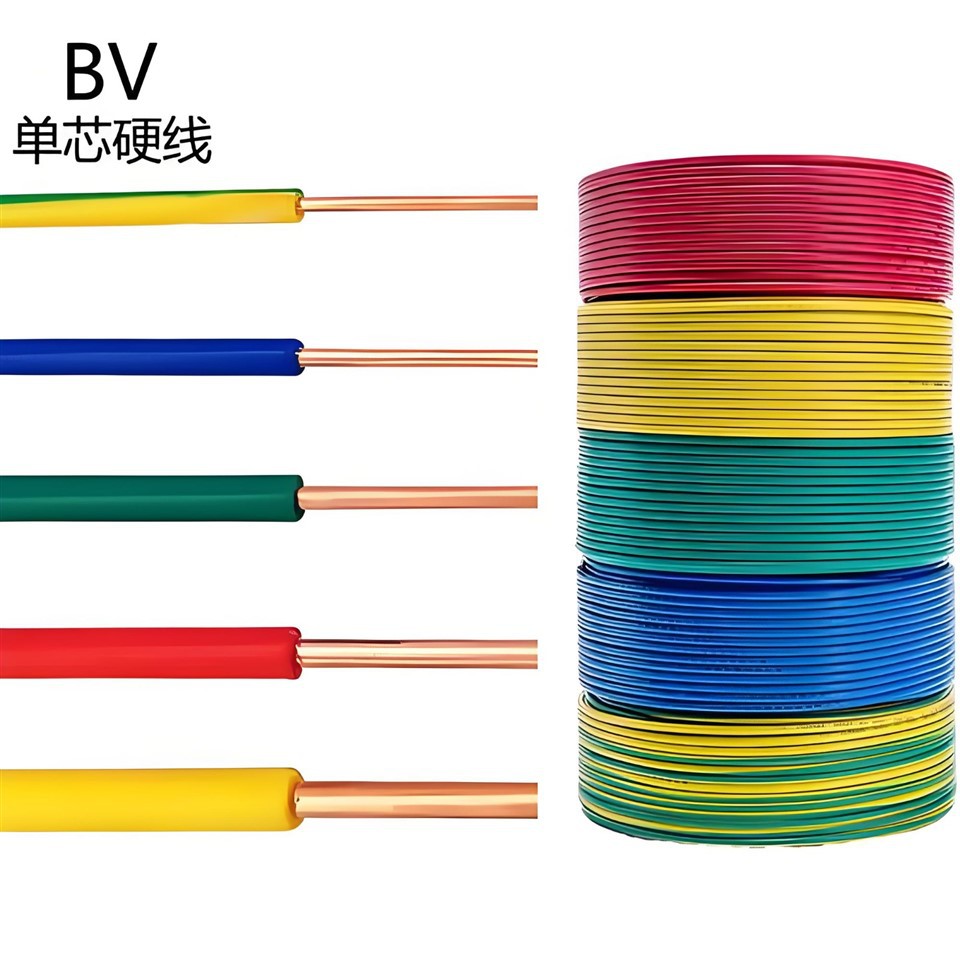

For example, in an office building, you may need to splice cables for lighting, power outlets, and data networks. These cables are typically low - voltage and can be spliced using methods like twist - on connectors or crimping.
In an industrial facility, however, you may be dealing with high - voltage cables that require more specialized splicing techniques. These cables may carry large amounts of current and need to be spliced in a way that can withstand the harsh industrial environment.
Resources for More Information
If you're interested in learning more about wiring cables, I recommend checking out these resources: Cables for Wiring A House and Residential Low Voltage Wiring. These pages provide valuable information on different types of wiring cables and their applications.
Conclusion
So, can you splice commercial wiring cables? The answer is yes, but it's important to do it right. Follow the safety guidelines, use the proper tools and materials, and make sure to comply with all relevant electrical codes. If you're unsure about any aspect of splicing, it's always a good idea to consult a professional electrician.
As a supplier of commercial wiring cables, I'm here to help you with all your wiring needs. Whether you're looking for high - quality cables, splicing connectors, or just some advice on your project, feel free to reach out. We can discuss your specific requirements and find the best solutions for your commercial wiring project.
References
- National Electrical Code (NEC)
- Manufacturer's specifications for commercial wiring cables