

Can multi - core control cables be used in high - temperature environments?
Hey there! I'm a supplier of Multi Core Control Cable, and I often get asked this question. So, let's dig into whether multi - core control cables can handle high - temperature environments.
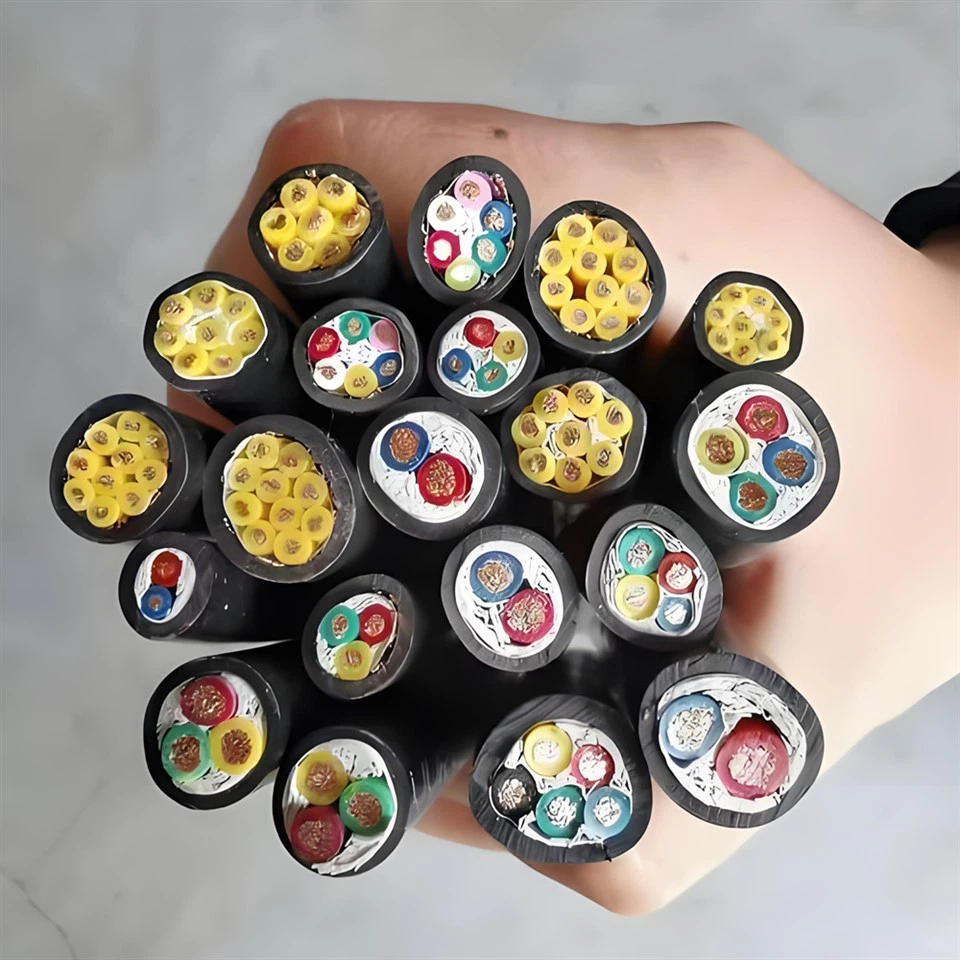
First off, let's understand what multi - core control cables are. These cables are designed to carry multiple signals or power within a single cable. They're used in a variety of applications, from industrial automation to building management systems. They're like the multi - taskers of the cable world, able to handle different functions all at once.
Now, when it comes to high - temperature environments, things get a bit tricky. High temperatures can have a significant impact on the performance and lifespan of cables. For multi - core control cables, the insulation materials are a key factor. Most standard multi - core control cables are made with insulation materials that have a certain temperature rating.
If you expose a cable to temperatures above its rating, a few things can happen. The insulation might start to degrade. It could become brittle, which means it's more likely to crack. Cracks in the insulation can lead to short - circuits or electrical leakage. And that's a big no - no, especially in industrial settings where safety is a top priority.
However, not all hope is lost. There are multi - core control cables specifically designed for high - temperature environments. These cables use special insulation materials that can withstand much higher temperatures. For example, some cables use silicone rubber insulation. Silicone has excellent heat resistance properties. It can maintain its flexibility and electrical insulation properties even at high temperatures.
Another option is cables with Teflon insulation. Teflon is known for its high melting point and resistance to heat. It can handle extremely high temperatures without degrading quickly. These types of cables are often used in aerospace, automotive, and other industries where high - temperature performance is crucial.
But it's not just the insulation that matters. The conductors inside the cable also need to be able to handle the heat. Copper is a common conductor material in multi - core control cables. Copper has good electrical conductivity and can tolerate a certain amount of heat. However, if the temperature gets too high, the copper can start to oxidize. Oxidation can increase the resistance of the conductor, which can lead to power losses and reduced performance.
To deal with this, some high - temperature multi - core control cables use silver - plated copper conductors. Silver has better heat resistance and conductivity than copper. The silver plating helps to prevent oxidation and maintain the electrical performance of the cable in high - temperature environments.
Now, let's talk about some real - world applications. In industrial ovens, for example, the temperature can reach several hundred degrees Celsius. Regular multi - core control cables would quickly fail in this environment. But high - temperature cables can ensure reliable operation. They can transmit control signals and power to the various components of the oven, such as heating elements and sensors.
In the automotive industry, engine compartments can get extremely hot. Multi - core control cables are used to connect different sensors and control units. High - temperature cables are essential here to ensure that the electrical systems work properly, even under the harsh conditions of the engine.
When choosing a multi - core control cable for a high - temperature environment, you need to consider a few things. First, check the temperature rating of the cable. Make sure it can handle the maximum temperature in your application. Second, look at the insulation material. As I mentioned, silicone and Teflon are good choices for high - temperature applications. Third, consider the conductor material. Silver - plated copper can offer better performance in high - temperature situations.
If you're in the market for high - temperature multi - core control cables, we've got you covered. We also offer other types of cables, like Aluminum Service Drop Cable and Pvc Control Cable. Our products are designed to meet the highest standards of quality and performance.
Whether you're working on an industrial project, an automotive application, or any other high - temperature environment, we can provide you with the right cables. We understand the importance of reliability and safety in these applications. Our team of experts can help you choose the best cable for your specific needs.
If you're interested in learning more about our multi - core control cables or other cable products, don't hesitate to reach out. We're here to answer your questions and help you make the right choice for your project. Let's work together to ensure your electrical systems perform at their best, even in high - temperature environments.

References:
- Electrical Engineering Handbook: This comprehensive reference provides in - depth knowledge about cable materials and their performance in different environments.
- Industry standards and guidelines for cable manufacturing, which outline the requirements for high - temperature cables.