

Commercial wiring cables are essential components in various electrical systems, serving to transmit power and signals safely and efficiently. One of the critical performance aspects of these cables is their bending fatigue properties. Understanding these properties is crucial for selecting the right cables for specific applications, ensuring long - term reliability and safety.
Importance of Bending Fatigue in Commercial Wiring Cables
Bending fatigue refers to the ability of a cable to withstand repeated bending without significant degradation in its electrical and mechanical properties. In commercial settings, cables are often subjected to frequent bending during installation, maintenance, and normal use. For example, in a large office building, cables may need to be routed through tight spaces, around corners, and into equipment enclosures. Each bend places stress on the cable, and over time, these stresses can cause damage to the cable's insulation, conductors, and other components.
If a cable has poor bending fatigue properties, it may develop cracks in the insulation, which can lead to electrical shorts, leakage currents, and even fires. Additionally, damage to the conductors can increase resistance, resulting in power losses and reduced efficiency. Therefore, it is essential for commercial wiring cable suppliers to offer products with excellent bending fatigue resistance to meet the demanding requirements of modern electrical systems.
Factors Affecting Bending Fatigue Properties
Several factors influence the bending fatigue properties of commercial wiring cables. These include the cable's construction, materials, and design.
Cable Construction
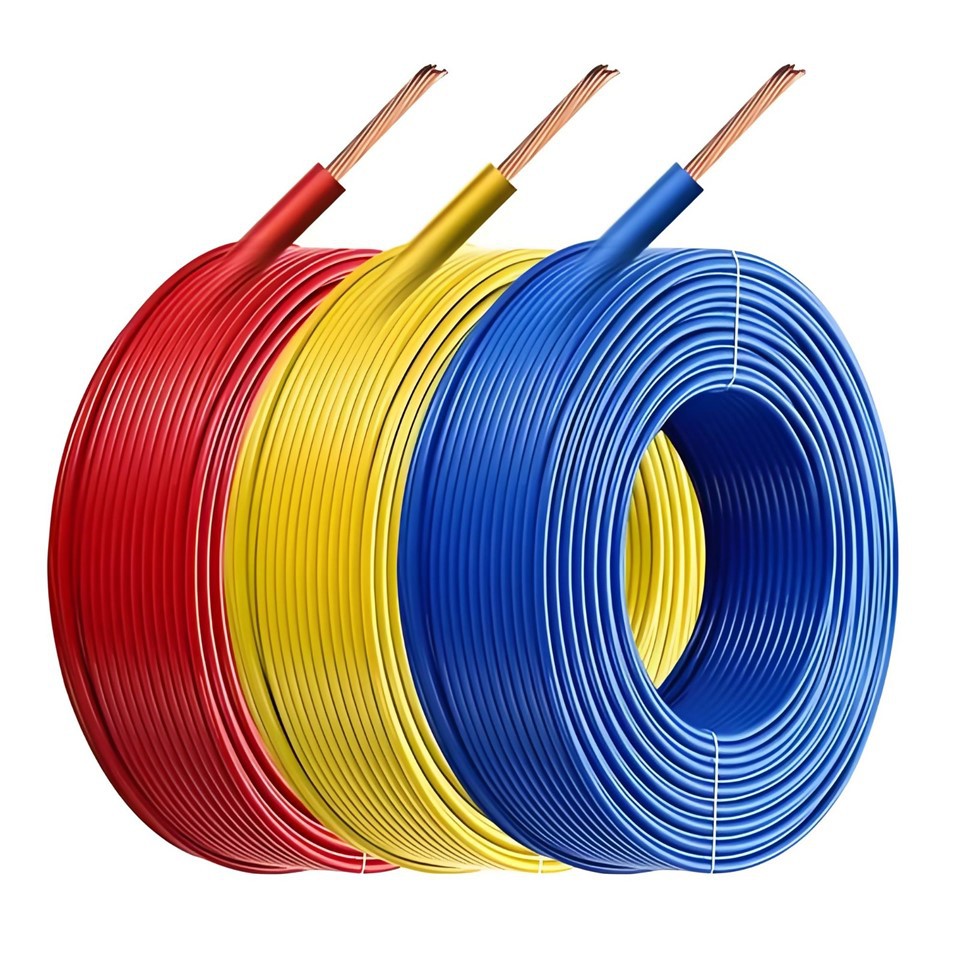
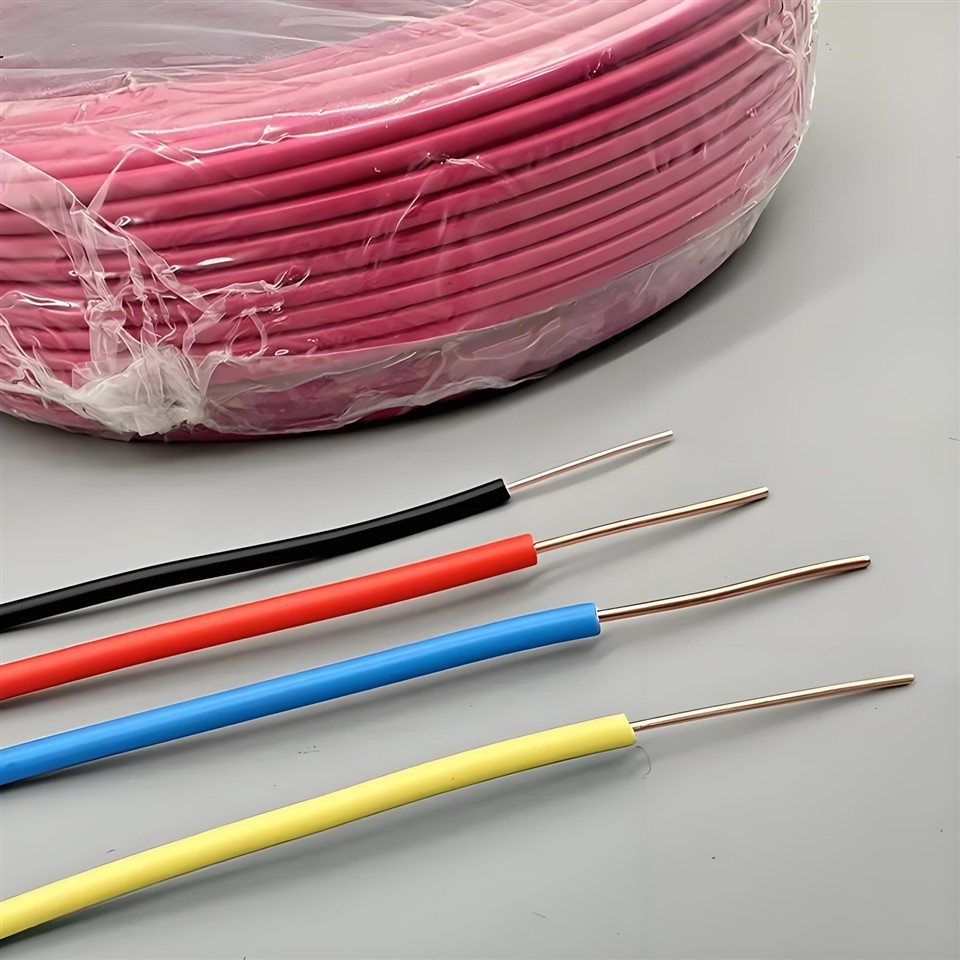
The construction of a cable plays a significant role in its bending fatigue resistance. There are different types of cable constructions, such as Flexible Building Wire, Commercial Building Wire, and Solid Building Wire.
Flexible building wires are designed to be highly flexible, making them suitable for applications where frequent bending is required. They typically consist of multiple strands of small - diameter conductors, which can move more easily relative to each other during bending. This reduces the stress on individual conductors and helps prevent breakage.
Commercial building wires, on the other hand, are designed for general - purpose commercial applications. They may have a more rigid construction compared to flexible building wires but still need to have adequate bending fatigue resistance. Solid building wires, which have a single solid conductor, are less flexible than stranded wires and are more prone to bending fatigue. However, they are often used in applications where low resistance and high conductivity are required.
Materials
The materials used in the cable also affect its bending fatigue properties. The conductors are usually made of copper or aluminum, with copper being the preferred choice due to its high conductivity and better mechanical properties. The insulation material is another critical factor. Common insulation materials include polyvinyl chloride (PVC), cross - linked polyethylene (XLPE), and ethylene propylene rubber (EPR).
PVC is a widely used insulation material due to its low cost and good electrical properties. However, it may have limited flexibility and bending fatigue resistance compared to other materials. XLPE and EPR offer better flexibility and can withstand higher temperatures, making them suitable for applications where the cable is subjected to more severe bending and environmental conditions.
Design
The design of the cable, including the diameter, shape, and the way the conductors and insulation are arranged, can also impact its bending fatigue properties. Cables with a smaller diameter are generally more flexible and have better bending fatigue resistance. Additionally, the use of proper filler materials and protective jackets can help reduce stress on the conductors and insulation during bending.
Testing Bending Fatigue Properties
To ensure that commercial wiring cables meet the required bending fatigue standards, various testing methods are used. One common test is the repeated bending test, where the cable is bent back and forth a specified number of times at a given radius and frequency. The cable is then inspected for any signs of damage, such as cracks in the insulation or breaks in the conductors.
Another test is the dynamic bending test, which simulates the real - world conditions where the cable is bent while under tension or compression. This test can provide more accurate information about the cable's performance in actual applications.
Standards organizations, such as the International Electrotechnical Commission (IEC) and the National Electrical Manufacturers Association (NEMA), have established guidelines and standards for testing the bending fatigue properties of electrical cables. These standards help ensure that cables are safe and reliable for use in commercial and industrial applications.
Applications and Requirements
Different commercial applications have different requirements for the bending fatigue properties of wiring cables.
Office Buildings
In office buildings, cables are often routed through false ceilings, cable trays, and conduits. They need to be flexible enough to be easily installed and re - routed as needed. Flexible building wires are commonly used in these applications due to their excellent bending fatigue resistance. They can withstand the repeated bending during installation and maintenance without significant damage.
Industrial Facilities
In industrial facilities, cables may be exposed to more severe conditions, such as high temperatures, vibrations, and mechanical stress. Cables used in these applications need to have high - quality insulation and conductors to withstand the harsh environment. Commercial building wires with enhanced bending fatigue resistance are often used in industrial settings to ensure reliable operation.
Data Centers
Data centers require high - performance cables to transmit large amounts of data quickly and efficiently. These cables need to have low signal loss and excellent bending fatigue properties to ensure reliable data transmission. Specialized cables, such as fiber optic cables and high - speed Ethernet cables, are used in data centers, and they are designed to meet the strict requirements of these applications.
Our Offerings as a Commercial Wiring Cable Supplier
As a commercial wiring cable supplier, we understand the importance of bending fatigue properties in our products. We offer a wide range of cables, including Flexible Building Wire, Commercial Building Wire, and Solid Building Wire, to meet the diverse needs of our customers.
Our cables are manufactured using high - quality materials and advanced manufacturing processes to ensure excellent bending fatigue resistance. We conduct rigorous testing on all our products to ensure that they meet or exceed the relevant industry standards. Whether you are an electrical contractor, a building owner, or an industrial facility manager, we can provide you with the right cables for your specific application.
Contact Us for Procurement
If you are interested in purchasing commercial wiring cables with excellent bending fatigue properties, we invite you to contact us for a detailed discussion. Our team of experts can help you select the most suitable cables for your project, provide technical support, and offer competitive pricing. We are committed to providing high - quality products and excellent customer service to meet your needs.
References
- International Electrotechnical Commission (IEC). Electrical cables - Test methods for electrical and optical properties.
- National Electrical Manufacturers Association (NEMA). Standards for electrical wiring cables.
- Various research papers on cable bending fatigue and performance.