

When it comes to house wiring, one of the crucial decisions you'll face is choosing between stranded and solid cables. As a leading House Cable Wiring supplier, I've witnessed firsthand the impact of this choice on the performance, safety, and longevity of electrical systems in homes. In this blog, I'll delve into the key differences between stranded and solid cables, helping you make an informed decision for your next wiring project.
Physical Structure
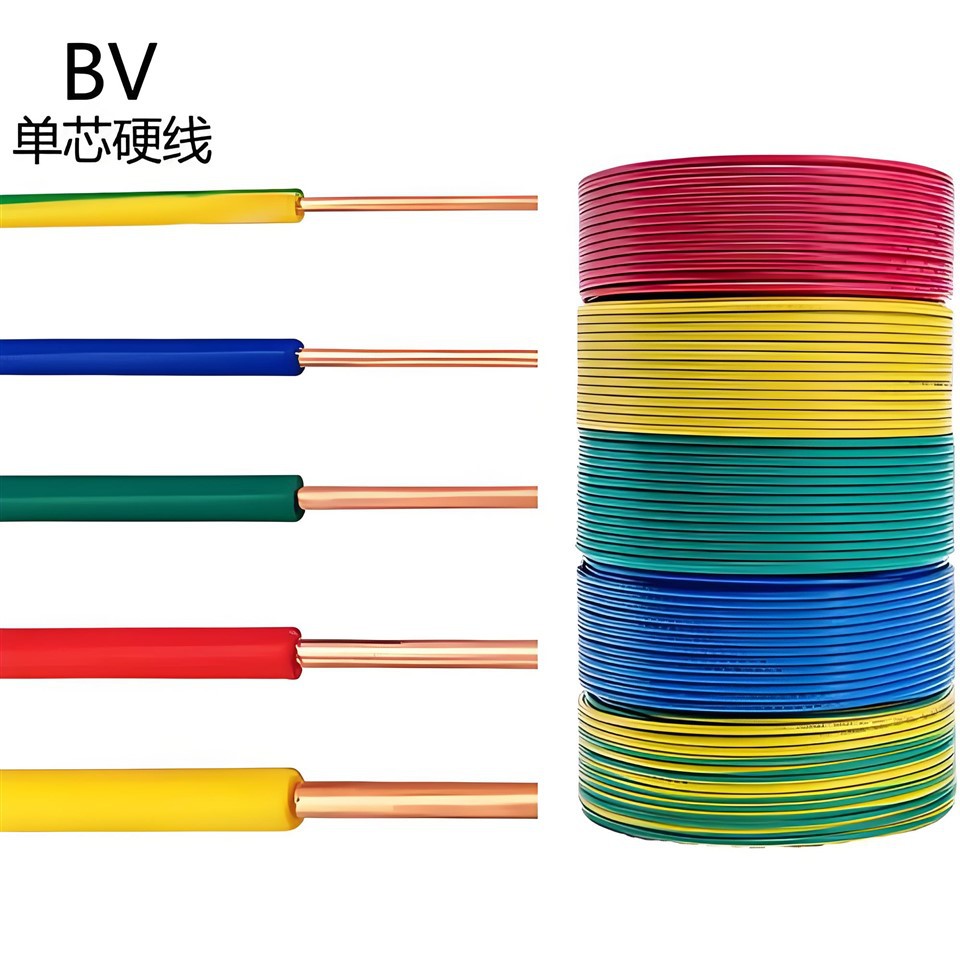
The most apparent difference between stranded and solid cables lies in their physical structure. Solid cables consist of a single, solid conductor, typically made of copper or aluminum. This single conductor runs the entire length of the cable, providing a continuous path for electrical current. On the other hand, stranded cables are composed of multiple smaller strands of conductor twisted together. These strands can vary in number and size, depending on the cable's specifications.
The structure of solid cables makes them relatively rigid and less flexible compared to stranded cables. This rigidity can make them more challenging to install, especially in tight spaces or around corners. However, it also gives them better resistance to mechanical stress and reduces the risk of breakage. Stranded cables, on the other hand, are more flexible and easier to bend, making them ideal for applications where flexibility is required, such as in movable equipment or in areas where the cable needs to be routed around obstacles.
Electrical Performance
Another significant difference between stranded and solid cables is their electrical performance. Solid cables generally have lower resistance than stranded cables due to their larger cross-sectional area. This lower resistance results in less power loss and better conductivity, making solid cables more efficient for transmitting electrical current over long distances. Stranded cables, however, have a larger surface area due to the multiple strands, which can reduce the skin effect at high frequencies. The skin effect causes the current to flow mainly on the surface of the conductor, increasing the resistance and power loss. Stranded cables are therefore better suited for high-frequency applications, such as in audio and video systems.
In terms of signal transmission, solid cables are often preferred for applications where signal integrity is critical, such as in data networks or telecommunications. The single conductor in solid cables provides a more stable and consistent signal, reducing the risk of interference and signal loss. Stranded cables, on the other hand, are more suitable for applications where flexibility is more important than signal integrity, such as in portable electronic devices or in automotive wiring.
Installation and Durability
The installation process for stranded and solid cables also differs significantly. Solid cables are typically easier to terminate, as they have a single conductor that can be easily stripped and connected to terminals or connectors. However, their rigidity can make them more difficult to route through conduit or around corners. Stranded cables, on the other hand, are more flexible and can be easily bent and routed through tight spaces. However, they require more care during termination to ensure that all the strands are properly connected and secured.
In terms of durability, solid cables are generally more resistant to mechanical stress and wear and tear. The single conductor in solid cables is less likely to break or fray, making them a better choice for applications where the cable will be subject to frequent movement or vibration. Stranded cables, on the other hand, are more prone to damage from bending and flexing, especially if they are not properly installed or protected.
Cost
Cost is another factor to consider when choosing between stranded and solid cables. Solid cables are generally less expensive than stranded cables due to their simpler construction and lower manufacturing costs. However, the cost difference can vary depending on the size and type of cable, as well as the quantity purchased. In some cases, the cost of stranded cables may be offset by their longer lifespan and better performance, especially in applications where flexibility and durability are important.
Applications
The choice between stranded and solid cables also depends on the specific application. Solid cables are commonly used in fixed wiring applications, such as in residential and commercial buildings, where the cable will not be subject to frequent movement or vibration. They are also suitable for applications where signal integrity is critical, such as in data networks and telecommunications. Stranded cables, on the other hand, are more commonly used in applications where flexibility is required, such as in portable electronic devices, automotive wiring, and industrial machinery.
As a House Cable Wiring supplier, we offer a wide range of stranded and solid cables to meet the needs of different applications. Whether you're wiring a new home, renovating an existing building, or installing a new electrical system, we can help you choose the right cable for your project. Our cables are made from high-quality materials and are designed to meet the highest standards of safety and performance.
Conclusion
In conclusion, the choice between stranded and solid cables for house wiring depends on several factors, including the application, installation requirements, electrical performance, and cost. Solid cables are generally more suitable for fixed wiring applications where signal integrity and durability are important, while stranded cables are better suited for applications where flexibility is required. As a House Cable Wiring supplier, we can provide you with the expertise and guidance you need to choose the right cable for your project. If you have any questions or need further information, please don't hesitate to [Contact us to discuss your procurement needs].