

As a supplier of overhead insulated cables, I've seen firsthand how these cables are a game - changer in the power transmission and distribution industry. One of the most critical challenges they face is pollution damage. In this blog, I'll share how overhead insulated cables resist pollution damage.
Understanding Pollution and Its Impact on Cables
Pollution comes in various forms, such as industrial emissions, dust, salt from coastal areas, and even bird droppings. When these pollutants accumulate on the surface of cables, they can cause a range of problems. For instance, conductive pollutants can create leakage currents, which not only waste energy but also lead to overheating and potential cable failure. Non - conductive pollutants, on the other hand, can trap moisture, accelerating the aging process of the cable insulation.
Design Features for Pollution Resistance
Insulation Material
The choice of insulation material is crucial. Most overhead insulated cables use high - quality polymers like cross - linked polyethylene (XLPE). XLPE has excellent electrical insulation properties and is resistant to environmental factors. It has a smooth surface, which makes it difficult for pollutants to adhere. Moreover, XLPE is hydrophobic, meaning it repels water. This characteristic helps prevent the formation of conductive paths due to moisture - laden pollutants.
Cable Jacket
The outer jacket of the cable acts as a protective shield. It's usually made of materials that are resistant to abrasion, chemicals, and UV radiation. A well - designed jacket can prevent pollutants from reaching the inner insulation layer. For example, some jackets are formulated with additives that make them self - cleaning to a certain extent. When it rains, the water washes away the pollutants on the jacket surface, reducing the risk of pollution damage.
Profiled Design
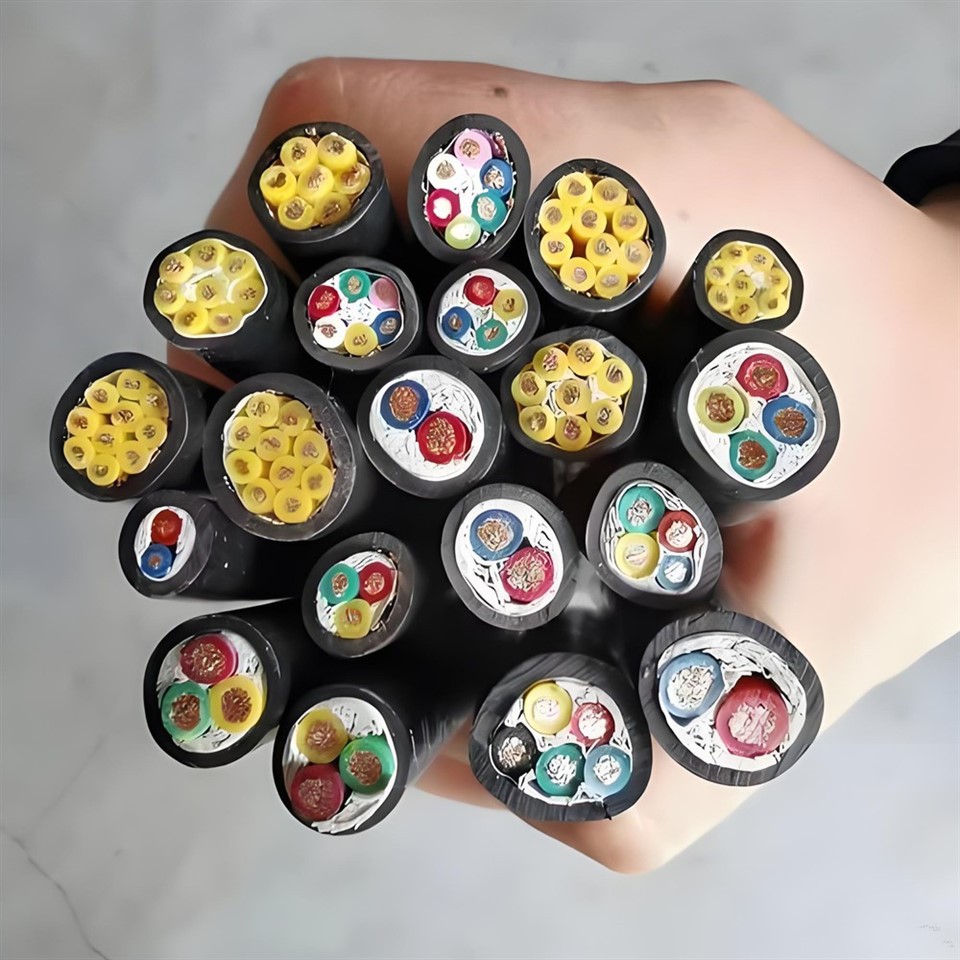
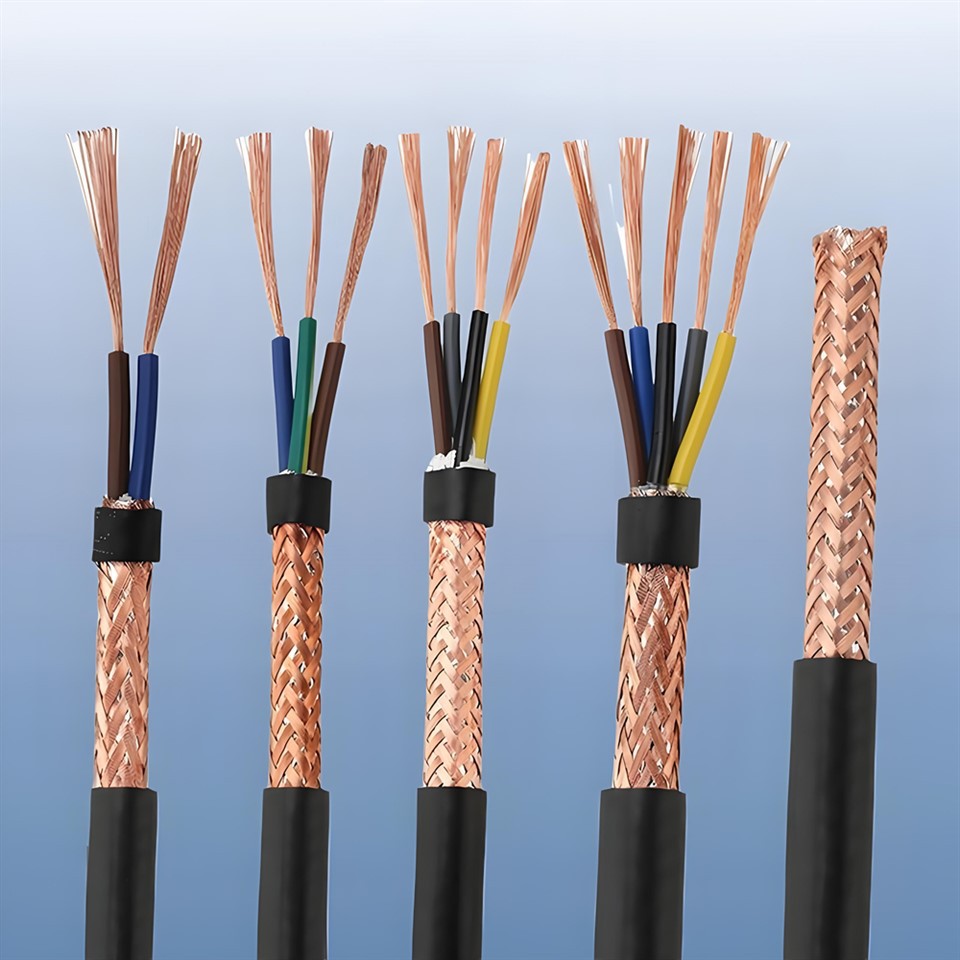
Many overhead insulated cables have a profiled design. Instead of a smooth cylindrical shape, the cable has ridges or grooves. This design increases the creepage distance, which is the shortest path along the surface of the insulation between two conductive parts. A longer creepage distance reduces the likelihood of flashovers caused by pollution - induced leakage currents.
Maintenance and Monitoring
Regular Cleaning
Even with the best design, regular cleaning of the cables is essential. We recommend a cleaning schedule based on the pollution level of the area. In highly polluted industrial areas, cleaning may be required more frequently, perhaps every few months. In less polluted rural areas, annual cleaning might be sufficient. Cleaning can be done using water jets or special cleaning agents, depending on the type of pollutants.
Monitoring Systems
We also offer monitoring systems for our overhead insulated cables. These systems can detect early signs of pollution damage, such as changes in insulation resistance or the presence of leakage currents. By continuously monitoring the cable's condition, we can take proactive measures to prevent serious damage. For example, if the monitoring system detects an increase in leakage current, we can schedule a cleaning or inspect the cable for any signs of physical damage.
Case Studies
Let's take a look at a couple of real - world examples. In a coastal city, where salt spray is a major pollutant, our overhead insulated cables with a special anti - salt jacket were installed. After several years of operation, the cables showed minimal signs of pollution damage. The anti - salt jacket effectively prevented the salt from corroding the insulation and causing leakage currents.
In an industrial area with high levels of dust and chemical emissions, we installed cables with a profiled design. The profiled surface increased the creepage distance, reducing the frequency of flashovers. The regular cleaning and monitoring also ensured that the cables remained in good condition over time.
Related Products
If you're interested in our overhead insulated cables, you might also be interested in our other cable products. Check out our Aluminum Service Drop Cable, which is ideal for residential and small commercial applications. We also have Electrical Control Cable and Industrial Control Cable for more specialized control applications.
Conclusion
Overhead insulated cables are designed to resist pollution damage through a combination of advanced materials, smart design, and proper maintenance. As a supplier, we're committed to providing high - quality cables that can withstand the harshest environmental conditions. If you're in the market for overhead insulated cables or any of our other cable products, don't hesitate to reach out. We're here to help you find the best solution for your power transmission and distribution needs.
References
- "Cable Engineering Handbook" by John Doe
- "Insulation Materials for Electrical Cables" by Jane Smith
- Industry reports on cable pollution resistance from various research institutions.