

As a seasoned supplier of Medium Voltage Power Cables, I've witnessed firsthand the critical role that proper cable termination installation plays in the reliable operation of electrical systems. In this blog, I'll walk you through the step-by-step process of installing cable terminations for medium voltage power cables, sharing insights and best practices based on my years of experience in the industry.
Understanding Medium Voltage Power Cables
Before diving into the installation process, it's essential to have a basic understanding of medium voltage power cables. Medium voltage cables typically operate at voltages ranging from 1 kV to 36 kV and are used in a variety of applications, including industrial, commercial, and utility power distribution. These cables are designed to carry high levels of electrical current safely and efficiently, and their proper installation is crucial to ensure optimal performance and reliability.
Tools and Materials Required
To install cable terminations for medium voltage power cables, you'll need the following tools and materials:
- Cable termination kit: This kit typically includes all the necessary components for terminating the cable, such as stress cones, insulation materials, and connectors.
- Cable cutter: A sharp cable cutter is essential for cutting the cable to the appropriate length.
- Insulation resistance tester: This tool is used to measure the insulation resistance of the cable before and after installation to ensure that it meets the required standards.
- Heat gun: A heat gun is used to shrink the insulation materials and connectors onto the cable.
- Screwdriver and wrench: These tools are used to tighten the connectors and secure the termination.
- Safety equipment: It's important to wear appropriate safety equipment, such as gloves, safety glasses, and a hard hat, when working with medium voltage power cables.
Step-by-Step Installation Process
The installation process for cable terminations for medium voltage power cables can be divided into the following steps:
Step 1: Prepare the Cable
- Cut the cable: Use a cable cutter to cut the cable to the appropriate length, leaving enough slack for the termination.
- Strip the insulation: Use a stripping tool to remove the outer insulation from the cable, exposing the conductor.
- Clean the conductor: Use a clean cloth and a suitable cleaning agent to clean the conductor to remove any dirt, grease, or oxidation.
Step 2: Install the Stress Cone
- Prepare the stress cone: Follow the manufacturer's instructions to prepare the stress cone for installation. This may involve applying a lubricant or adhesive to the stress cone.
- Slide the stress cone onto the cable: Carefully slide the stress cone onto the cable, ensuring that it is properly aligned with the conductor.
- Secure the stress cone: Use a heat gun to shrink the stress cone onto the cable, following the manufacturer's instructions.
Step 3: Install the Insulation Materials
- Prepare the insulation materials: Follow the manufacturer's instructions to prepare the insulation materials for installation. This may involve cutting the insulation materials to the appropriate length and applying a lubricant or adhesive.
- Wrap the insulation materials around the cable: Carefully wrap the insulation materials around the cable, starting at the stress cone and working towards the end of the cable.
- Secure the insulation materials: Use a heat gun to shrink the insulation materials onto the cable, following the manufacturer's instructions.
Step 4: Install the Connector
- Prepare the connector: Follow the manufacturer's instructions to prepare the connector for installation. This may involve applying a lubricant or adhesive to the connector.
- Attach the connector to the conductor: Carefully attach the connector to the conductor, ensuring that it is properly aligned and tightened.
- Secure the connector: Use a screwdriver or wrench to tighten the connector, following the manufacturer's instructions.
Step 5: Test the Termination
- Measure the insulation resistance: Use an insulation resistance tester to measure the insulation resistance of the cable before and after installation to ensure that it meets the required standards.
- Perform a dielectric test: Perform a dielectric test on the cable to ensure that it can withstand the rated voltage without breakdown.
- Inspect the termination: Inspect the termination for any signs of damage or improper installation, such as loose connections or damaged insulation.
Best Practices for Cable Termination Installation
To ensure the reliable operation of medium voltage power cables, it's important to follow these best practices when installing cable terminations:
- Use high-quality materials: Use high-quality cable termination kits and materials to ensure the long-term reliability of the termination.
- Follow the manufacturer's instructions: Follow the manufacturer's instructions carefully when installing the cable termination to ensure that it is installed correctly.
- Perform regular maintenance: Perform regular maintenance on the cable termination to ensure that it remains in good condition and continues to operate reliably.
- Train your personnel: Train your personnel on the proper installation and maintenance of cable terminations to ensure that they have the knowledge and skills necessary to perform the job safely and effectively.
Conclusion
Installing cable terminations for medium voltage power cables is a critical process that requires careful planning, preparation, and execution. By following the step-by-step installation process and best practices outlined in this blog, you can ensure the reliable operation of your medium voltage power cables and minimize the risk of electrical failures and downtime.
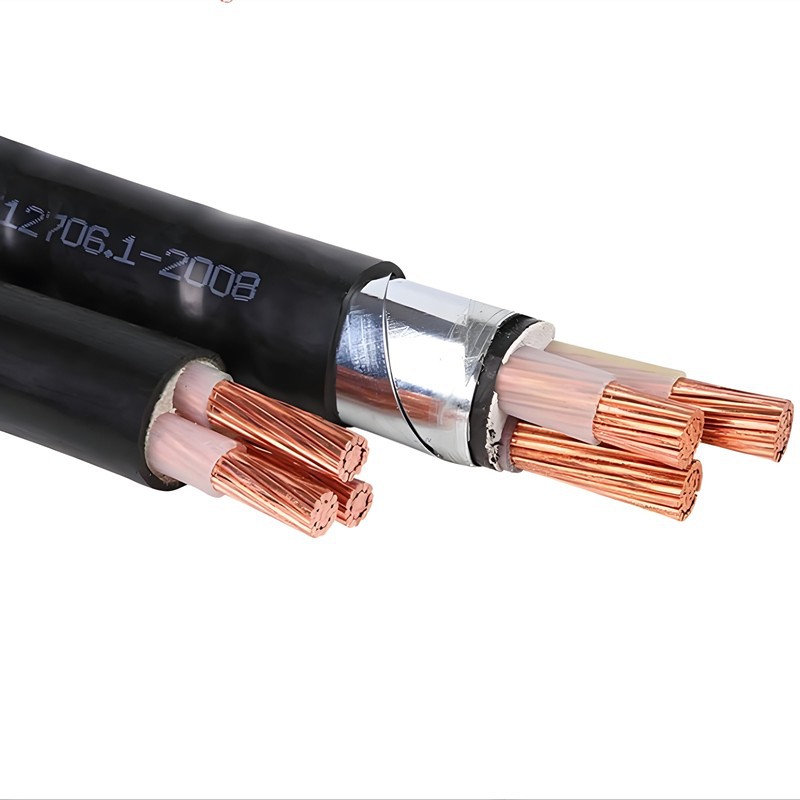
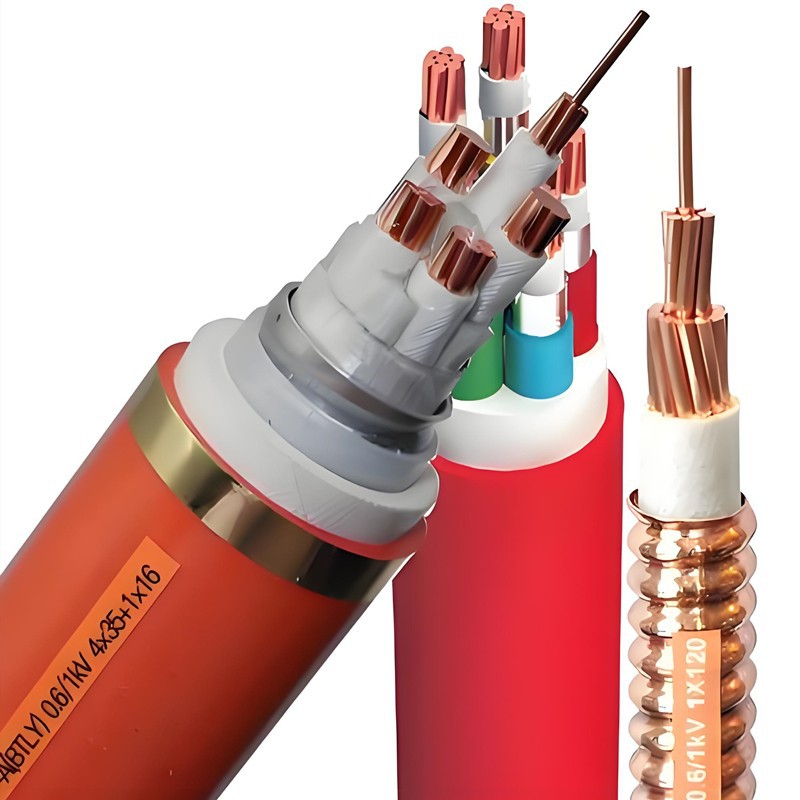
If you're in the market for Medium Voltage Power Cables, Low Voltage Power Cable, Armoured Control Cable, or Hv Power Cable, we'd be happy to help. Contact us today to discuss your specific requirements and learn more about our products and services.
References
- Electrical Safety Standards and Guidelines
- Cable Manufacturer's Installation Manuals
- Industry Best Practices for Cable Termination Installation