

Tensile strength is a crucial factor when it comes to PVC control cables. As a supplier of PVC control cables, I've seen firsthand how important it is for customers to understand this property. In this blog, I'll break down what tensile strength is, why it matters for PVC control cables, and how it impacts your projects.
What is Tensile Strength?
Tensile strength refers to the maximum amount of tensile (pulling) stress that a material can withstand before it breaks. In the context of PVC control cables, it's the force that the cable can handle without snapping or being permanently deformed. This is measured in units of force per unit area, typically pounds per square inch (psi) or newtons per square millimeter (N/mm²).
Think of it like this: when you pull on a rope, there's a point where it will break. That's the tensile strength of the rope. For PVC control cables, the same principle applies. Whether it's being installed in a tight space, pulled through conduits, or subjected to external forces during operation, the cable needs to be able to handle the stress without failing.
Why Tensile Strength Matters for PVC Control Cables
There are several reasons why tensile strength is so important for PVC control cables.
Installation
During installation, cables are often pulled through various routes, such as conduits, ducts, or across long distances. If the cable doesn't have sufficient tensile strength, it can break or get damaged during the pulling process. This can lead to delays in the installation, additional costs for replacement cables, and potential safety hazards.
Durability
In real - world applications, cables are exposed to a variety of environmental conditions and mechanical stresses. For example, in industrial settings, cables may be subject to vibrations, impacts, or being tugged on. A cable with high tensile strength is more likely to withstand these conditions over time, ensuring a longer service life.
Safety
A cable that breaks due to insufficient tensile strength can pose a significant safety risk. In electrical systems, a broken cable can cause short circuits, electrical fires, or disrupt the operation of critical equipment. By choosing a PVC control cable with adequate tensile strength, you can minimize these risks and ensure the safety of your electrical installations.
Factors Affecting the Tensile Strength of PVC Control Cables
Several factors can influence the tensile strength of PVC control cables.
Cable Construction
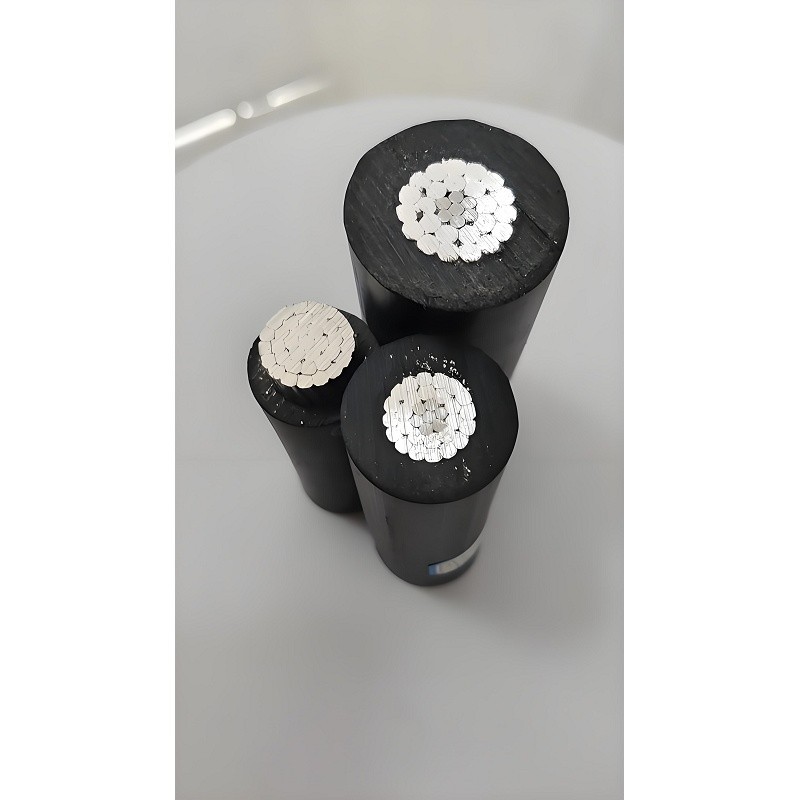
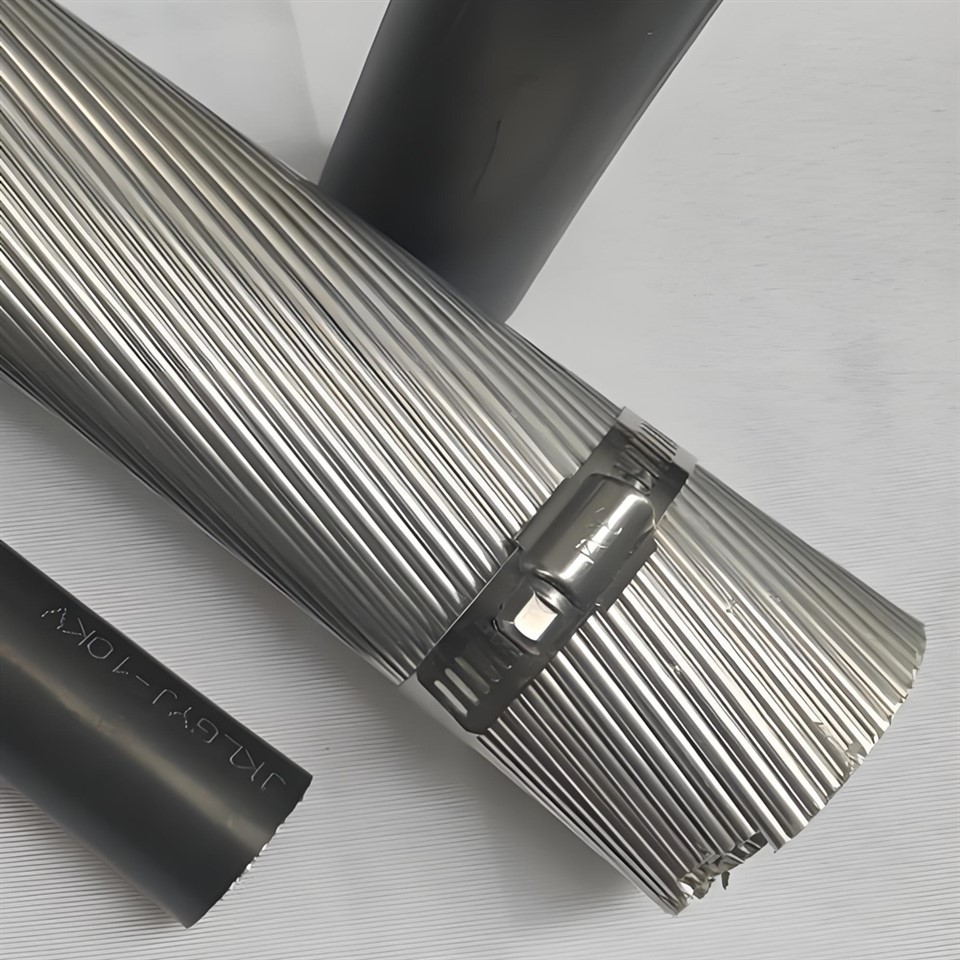
The way the cable is constructed plays a major role in its tensile strength. Cables with multiple layers of insulation and a strong core are generally more resistant to pulling forces. For example, a cable with a stranded copper conductor and a thick PVC outer sheath will have better tensile strength compared to a cable with a solid conductor and a thin sheath.
PVC Material Quality
The quality of the PVC used in the cable also affects its tensile strength. High - quality PVC has better mechanical properties, such as higher flexibility and better resistance to abrasion and tearing. This means that cables made from high - quality PVC are more likely to have a higher tensile strength.
Conductor Size
The size of the conductor in the cable can impact its tensile strength. Larger conductors generally have higher tensile strength because they can distribute the pulling force more evenly. However, larger conductors also increase the weight and cost of the cable, so there's a trade - off to consider.
Measuring the Tensile Strength of PVC Control Cables
To determine the tensile strength of a PVC control cable, manufacturers use a testing machine. The cable is clamped at both ends, and a gradually increasing pulling force is applied until the cable breaks. The maximum force applied at the point of breakage is recorded as the tensile strength of the cable.
It's important to note that different standards and specifications exist for measuring tensile strength. For example, the International Electrotechnical Commission (IEC) has specific standards for electrical cables, which include requirements for tensile strength. When choosing a PVC control cable, make sure to check the manufacturer's specifications to ensure that it meets the relevant standards for your application.
Our PVC Control Cables and Tensile Strength
As a supplier of PVC control cables, we take pride in offering products with high tensile strength. Our cables are designed and manufactured using high - quality materials and advanced production techniques. We use stranded copper conductors, which provide better flexibility and higher tensile strength compared to solid conductors. Our PVC outer sheaths are made from high - grade PVC, which is resistant to abrasion, chemicals, and environmental factors.
We also conduct rigorous testing on our cables to ensure that they meet or exceed the industry standards for tensile strength. This means that you can trust our cables to perform well in a variety of applications, whether it's in industrial automation, building wiring, or other electrical systems.
Related Products
If you're interested in other types of cables, we also offer Mechanical Control Cable, Outdoor Aerial Cable, and Quadruplex Overhead Wire. These products also have their own unique properties and applications, and we can help you choose the right one for your needs.
Contact Us for Your Cable Needs
If you're in the market for PVC control cables or any of our other cable products, we'd love to hear from you. Whether you have questions about tensile strength, cable specifications, or need help with choosing the right cable for your project, our team of experts is here to assist you. We can provide you with detailed product information, samples, and competitive pricing. So, don't hesitate to reach out and start a conversation about your cable requirements.
References
- International Electrotechnical Commission (IEC) standards for electrical cables
- Manufacturer's specifications for PVC control cables