

In the complex world of electrical wiring, understanding the differences between various types of cables is crucial for making informed decisions in industrial, commercial, and residential applications. As a PVC control cable supplier, I've witnessed firsthand the diverse needs of customers and the importance of selecting the right cable for the job. In this blog post, I'll delve into the characteristics of PVC control cables and compare them with other common types of cables, such as industrial control cables, aluminum service drop cables, and overhead service cables.
PVC Control Cables: An Overview
PVC control cables are designed to transmit control signals in electrical systems. They are widely used in industrial automation, machinery, and control panels to connect sensors, actuators, and other control devices. The outer sheath of PVC control cables is made of polyvinyl chloride (PVC), a durable and flexible material that provides excellent insulation and protection against environmental factors.
One of the key advantages of PVC control cables is their flexibility. They can be easily bent and routed through tight spaces, making them ideal for applications where space is limited. PVC control cables also have good resistance to abrasion, chemicals, and moisture, ensuring reliable performance in harsh environments.
Comparing PVC Control Cables with Industrial Control Cables
Industrial Control Cable is a broad term that encompasses various types of cables used in industrial applications. While PVC control cables are a type of industrial control cable, there are some differences between them.
Industrial control cables often have more advanced features and higher performance requirements compared to PVC control cables. For example, some industrial control cables are designed to withstand high temperatures, electromagnetic interference (EMI), and mechanical stress. They may also have additional shielding to protect against EMI and ensure signal integrity.
On the other hand, PVC control cables are more cost - effective and suitable for less demanding applications. They are commonly used in general industrial control systems where the environmental conditions are relatively mild and the performance requirements are not as stringent.

PVC Control Cables vs. Aluminum Service Drop Cables
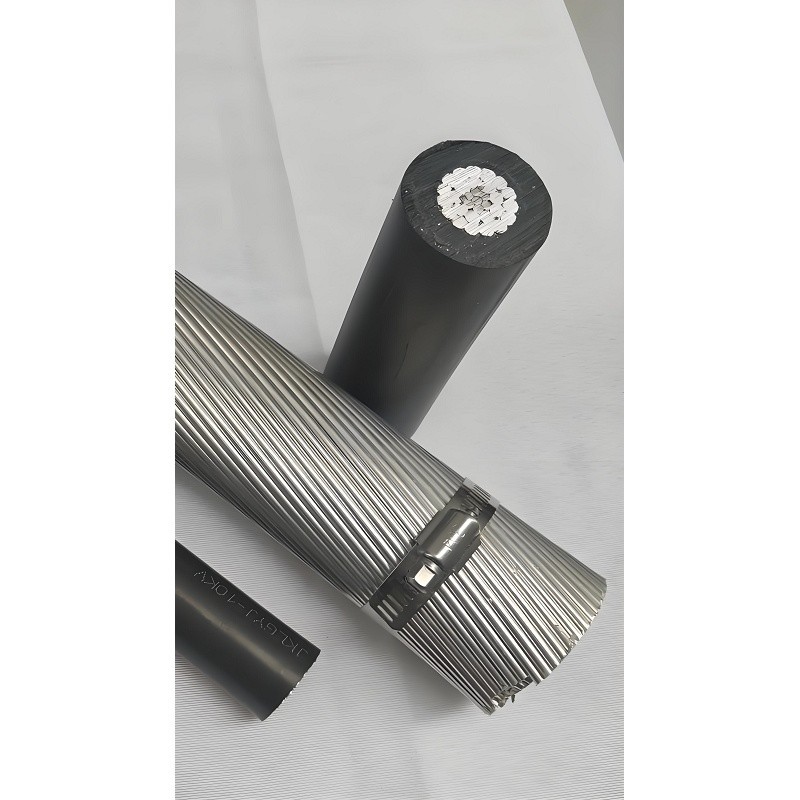
Aluminum Service Drop Cable is used to connect the utility power supply to a building or structure. These cables are typically installed overhead or underground and are designed to carry high - voltage electrical power.
The main difference between PVC control cables and aluminum service drop cables lies in their function and design. PVC control cables are used for transmitting control signals, while aluminum service drop cables are used for power transmission. Aluminum service drop cables are made of aluminum conductors, which are lightweight and have good conductivity. They are also designed to withstand high - voltage and environmental stresses.
In contrast, PVC control cables have smaller conductors and are designed for low - voltage control signals. They are not suitable for power transmission due to their lower current - carrying capacity.
PVC Control Cables vs. Overhead Service Cables
Overhead Service Cable is another type of cable used for power distribution. These cables are installed on utility poles and are exposed to the elements. Overhead service cables are typically made of copper or aluminum conductors and are insulated with materials such as polyethylene or cross - linked polyethylene.
Similar to the comparison with aluminum service drop cables, the main difference between PVC control cables and overhead service cables is their function. Overhead service cables are used for power distribution, while PVC control cables are used for control signal transmission. Overhead service cables need to be able to withstand harsh weather conditions, including high winds, rain, and snow. They also need to have high mechanical strength to support their own weight and the weight of ice and snow.
PVC control cables, on the other hand, are not designed to be exposed to such harsh environmental conditions. They are usually installed indoors or in protected areas where they are shielded from the elements.
Advantages of PVC Control Cables
- Cost - effectiveness: PVC control cables are relatively inexpensive compared to some other types of cables, making them a popular choice for budget - conscious projects.
- Flexibility: Their flexibility allows for easy installation in tight spaces and complex routing.
- Good insulation: The PVC sheath provides excellent insulation, protecting the conductors from short - circuits and electrical interference.
- Chemical resistance: PVC control cables are resistant to many chemicals, making them suitable for use in industrial environments where exposure to chemicals is possible.
Applications of PVC Control Cables
- Industrial automation: PVC control cables are widely used in industrial automation systems to connect sensors, actuators, and control panels. They ensure reliable communication between different components of the system.
- Building automation: In commercial and residential buildings, PVC control cables are used for controlling lighting, heating, ventilation, and air - conditioning (HVAC) systems.
- Machine tools: PVC control cables are used in machine tools to transmit control signals to motors, sensors, and other components, enabling precise control of the machine's operation.
Considerations When Choosing a Cable
When choosing between PVC control cables and other types of cables, several factors need to be considered:
- Application requirements: Determine the specific requirements of your application, such as the type of signal to be transmitted, the environmental conditions, and the required performance.
- Budget: Consider your budget and the cost - effectiveness of different cable options.
- Installation requirements: Evaluate the installation requirements, including the space available, the routing path, and the ease of installation.
- Safety: Ensure that the cable meets all relevant safety standards and regulations.
Conclusion
In conclusion, PVC control cables have their unique characteristics and advantages, making them suitable for a wide range of applications. While they may not be suitable for high - voltage power transmission or harsh outdoor environments like industrial control cables, aluminum service drop cables, or overhead service cables, they excel in transmitting control signals in relatively mild conditions.
If you are in the market for PVC control cables or need advice on choosing the right cable for your application, I encourage you to reach out. Our team of experts can provide you with detailed information and guidance to help you make the best decision. Whether you are working on a small - scale residential project or a large - scale industrial installation, we have the knowledge and experience to meet your needs.
References
- Electrical Wiring Handbook, various editions
- National Electrical Code (NEC)
- Industry standards for control cables and power cables