

Hey there! As an Electrical Control Cable supplier, I often get asked about the differences between PVC and XLPE insulation in electrical control cables. So, I thought I'd break it down for you in this blog post.
What's PVC Insulation?
PVC, or polyvinyl chloride, has been around in the cable insulation game for ages. It's a thermoplastic material, which means it can be melted and reshaped when heated. One of the big draws of PVC insulation is its affordability. It's relatively cheap to produce, which makes it a popular choice for a wide range of applications.
PVC insulation is also quite flexible. This flexibility makes it easy to install, especially in tight spaces or when you need to bend the cable around corners. It's commonly used in low - voltage applications, like in homes for things like lighting circuits and small appliances.
However, PVC does have its limitations. It has a relatively low temperature rating. In general, it can handle continuous operating temperatures of around 70°C. If the cable gets too hot, the PVC insulation can start to degrade, which can lead to safety issues.
Another drawback is its flammability. PVC can burn, and when it does, it releases toxic fumes. This is a major concern in environments where fire safety is a top priority, such as in commercial buildings, hospitals, and public transportation.
What's XLPE Insulation?
XLPE stands for cross - linked polyethylene. It's a thermoset material, which is different from PVC. Once XLPE is formed, it can't be melted and reshaped like a thermoplastic. Instead, it has a three - dimensional cross - linked structure that gives it some unique properties.
One of the biggest advantages of XLPE insulation is its high temperature resistance. It can handle continuous operating temperatures of up to 90°C, and in some cases, even higher. This makes it suitable for high - power applications where the cable is likely to get hot, such as in industrial settings or in power distribution systems.
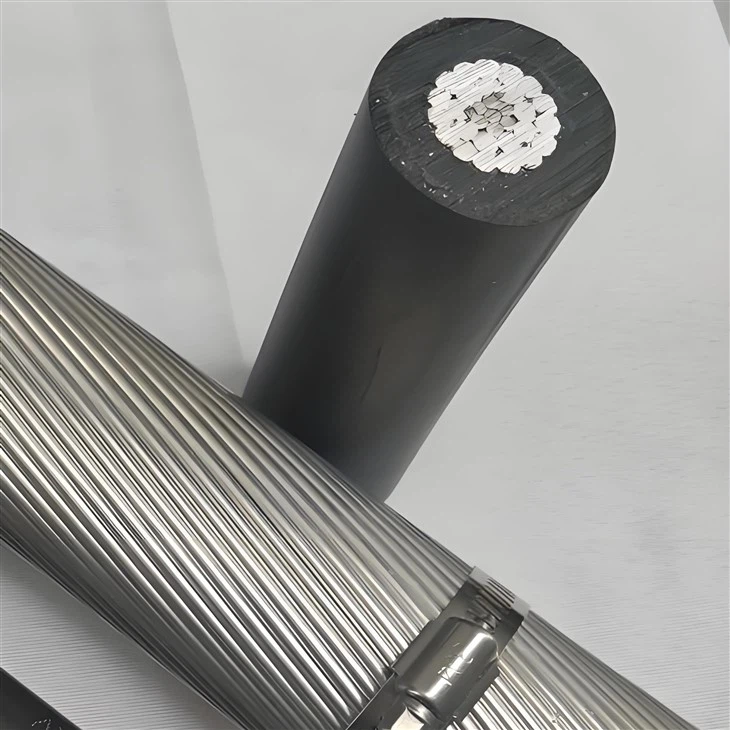
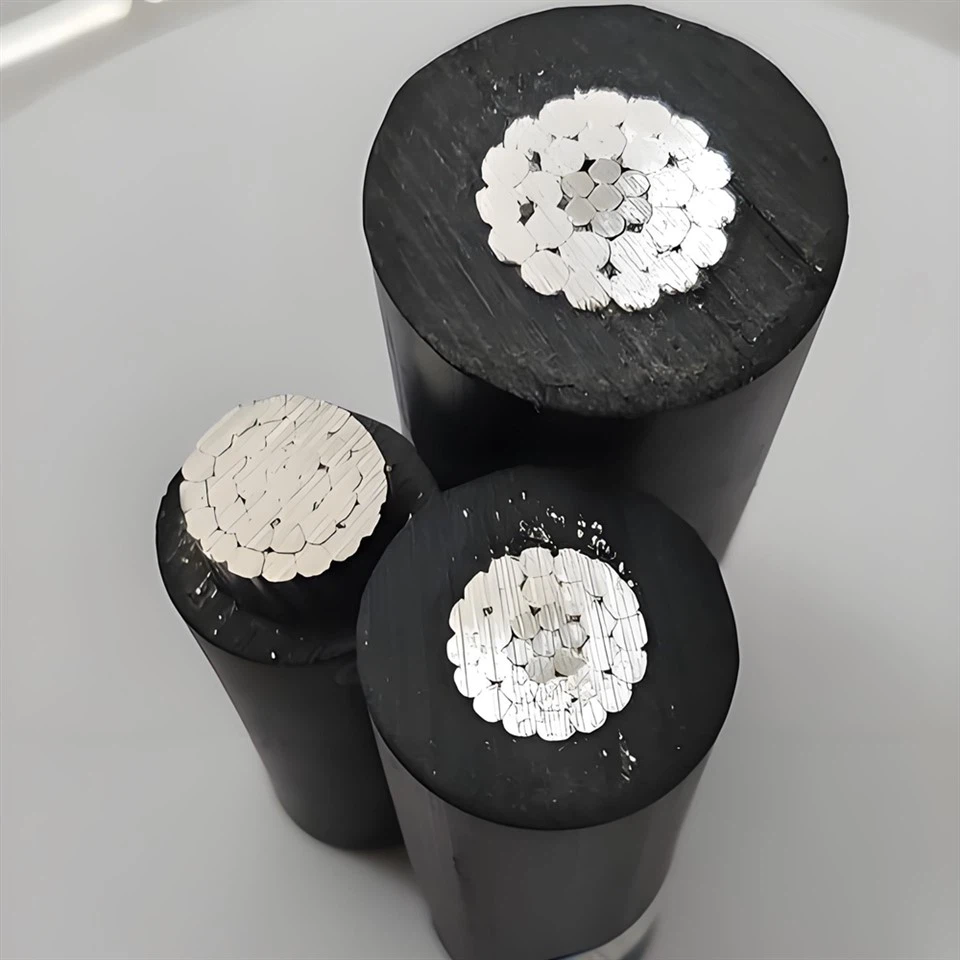
XLPE is also more resistant to chemicals and moisture compared to PVC. This means it can last longer in harsh environments, like underground or in areas with high humidity. It's less likely to break down due to exposure to chemicals, which is a big plus in industries where the cables are exposed to various substances.
In terms of electrical performance, XLPE has a lower dielectric loss. This means that it can transmit electricity more efficiently, reducing energy losses in the cable. It also has better electrical insulation properties, which can help prevent short circuits and other electrical problems.
However, XLPE insulation is more expensive than PVC. The manufacturing process for XLPE is more complex, which drives up the cost. This can make it less attractive for budget - conscious projects.
Performance Comparison
Let's take a closer look at how these two types of insulation stack up against each other in different aspects.
Temperature Performance
As I mentioned earlier, PVC has a lower temperature rating. If you're using a cable in an environment where the temperature is likely to exceed 70°C, PVC insulation might not be the best choice. XLPE, on the other hand, can handle much higher temperatures, making it a better option for high - heat applications.
Mechanical Performance
PVC is more flexible than XLPE. This can be an advantage when it comes to installation, especially in situations where the cable needs to be bent or routed through tight spaces. However, XLPE is more durable in the long run. It's less likely to crack or break under mechanical stress, which is important in industrial environments where the cables might be subject to vibration or movement.
Electrical Performance
XLPE has better electrical insulation properties and lower dielectric loss compared to PVC. This means that it can provide a more stable and efficient electrical connection. If you're dealing with high - voltage or high - power applications, XLPE is usually the preferred choice.
Fire Safety
PVC is flammable and releases toxic fumes when it burns. In contrast, XLPE is less flammable and produces fewer toxic fumes. In environments where fire safety is critical, such as in public buildings or data centers, XLPE insulation is a much safer option.
Applications
The choice between PVC and XLPE insulation often depends on the specific application.
PVC Insulation Applications
PVC - insulated cables are commonly used in residential and commercial buildings for low - voltage applications. They're great for things like lighting, power outlets, and small appliances. You can also find PVC - insulated cables in some automotive applications, where cost and flexibility are important factors.
XLPE Insulation Applications
XLPE - insulated cables are widely used in industrial settings, power generation plants, and power distribution systems. They're also used in Overhead Insulated Cable and Overhead Service Cable applications, where the cables need to withstand high temperatures and harsh environmental conditions.
Cost Considerations
Cost is always a factor when choosing between PVC and XLPE insulation. PVC is generally more affordable, which makes it a popular choice for projects with a tight budget. However, if you're looking for a long - term solution, especially in high - performance applications, the extra cost of XLPE might be worth it. The cost savings in terms of energy efficiency, durability, and fire safety can offset the initial investment.
Making the Right Choice
So, how do you decide which type of insulation is right for your project? Here are some things to consider:
- Temperature Requirements: If the cable will be operating in a high - temperature environment, XLPE is the better choice.
- Mechanical Stress: If the cable will be subject to a lot of movement or vibration, XLPE's durability might be more important than PVC's flexibility.
- Electrical Performance: For high - voltage or high - power applications, XLPE's better electrical properties are a must.
- Fire Safety: In environments where fire safety is a concern, XLPE is the safer option.
- Budget: If cost is a major factor, PVC might be the way to go, but make sure you're not sacrificing performance and safety.
Conclusion
In summary, both PVC and XLPE insulation have their pros and cons. PVC is affordable and flexible, making it a good choice for low - voltage, budget - friendly applications. XLPE, on the other hand, offers better temperature resistance, durability, and electrical performance, but at a higher cost.
As an Electrical Control Cable supplier, I can help you choose the right cable for your specific needs. Whether you're working on a small residential project or a large industrial installation, I've got the expertise to guide you. If you're interested in learning more about our Electrical Control Cable products or have any questions about PVC and XLPE insulation, don't hesitate to reach out. We're here to assist you in making the best decision for your project.
References
- IEEE Standards for Electrical Insulation
- National Electrical Code (NEC)
- Manufacturer's specifications for PVC and XLPE cables