

Hey there! As a supplier of electrical control cables, I've seen firsthand how crucial it is to pick the right cable for a lighting system. It's not just about getting the job done; it's about ensuring safety, efficiency, and long - term performance. In this blog, I'll walk you through the key factors to consider when choosing the right electrical control cable for your lighting setup.
1. Understanding Your Lighting System
First things first, you need to have a clear understanding of your lighting system. Different lighting setups have different power requirements, and this will directly affect the type of cable you need. For example, a simple residential lighting system with a few bulbs will have much lower power needs compared to a large commercial lighting installation in a shopping mall.
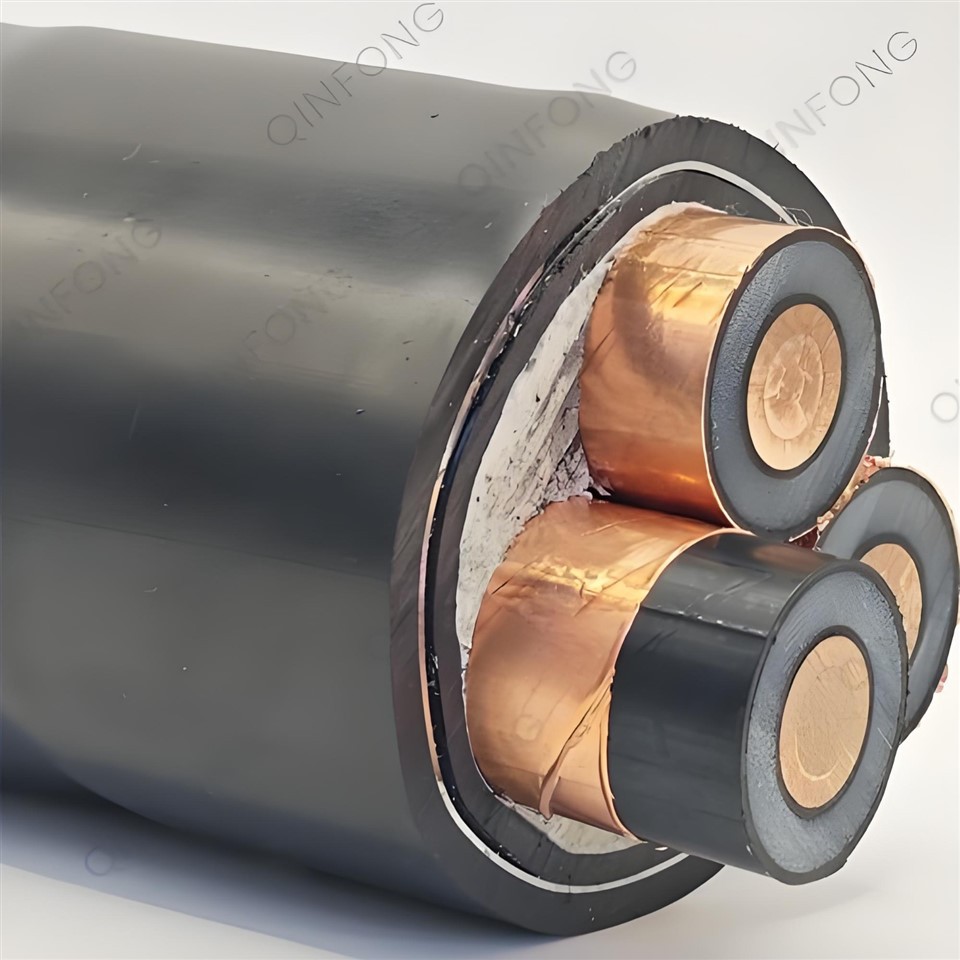

The voltage of your lighting system is a major factor. Most residential lighting operates at 120V or 240V, while commercial and industrial lighting systems might use higher voltages. If you're dealing with a high - power lighting system, you'll likely need a cable that can handle higher voltages. You can check out our Medium Voltage Power Cable for such applications.
2. Cable Capacity and Ampacity
Ampacity is the maximum amount of electrical current a cable can carry safely. It's super important to choose a cable with the right ampacity for your lighting system. If you choose a cable with an ampacity that's too low, it can overheat, which is not only a fire hazard but can also damage your lighting fixtures.
To determine the ampacity you need, you'll have to calculate the total wattage of your lighting system. Divide the total wattage by the voltage of your system to get the current in amperes. Then, add a safety margin of about 20% to account for any potential spikes in current. For instance, if your lighting system has a total wattage of 1200W and operates at 120V, the current is 1200W / 120V = 10A. With a 20% safety margin, you'll need a cable that can handle at least 12A.
3. Cable Type
There are several types of electrical control cables available, and each has its own advantages and disadvantages.
- PVC - Insulated Cables: These are the most common type of cables for lighting systems. They're affordable, easy to install, and have good insulation properties. PVC - insulated cables are suitable for most residential and small - scale commercial lighting applications.
- XLPE - Insulated Cables: Cross - linked polyethylene (XLPE) insulated cables offer better heat resistance and electrical performance compared to PVC cables. They're often used in high - voltage and high - power lighting systems, such as those in industrial facilities. If you're looking for a cable that can handle high temperatures and long - term use, XLPE - insulated cables are a great choice. You can also explore our Hv Power Cable for high - voltage applications.
- Armored Cables: Armored cables have an additional layer of protection, usually made of steel or aluminum. They're ideal for outdoor lighting systems or areas where the cable might be exposed to physical damage. For example, if you're installing lighting in a construction site or a garden, an armored cable can prevent the cable from being damaged by digging or other activities.
4. Environmental Conditions
The environment where your lighting system will be installed plays a big role in cable selection.
- Temperature: Extreme temperatures can affect the performance of your cable. In hot environments, the cable's insulation can degrade faster, while in cold environments, the cable can become brittle and more prone to cracking. Make sure to choose a cable that's rated for the temperature range of your installation.
- Moisture and Humidity: If your lighting system is installed in a damp or wet area, such as a basement or a bathroom, you'll need a cable with good moisture resistance. Some cables are designed with special coatings or insulation materials to prevent water from seeping in and causing damage.
- Chemical Exposure: In industrial settings, the cable might be exposed to chemicals such as acids, solvents, or oils. These chemicals can corrode the cable's insulation and conductors. Choose a cable that's resistant to the specific chemicals in your environment.
5. Installation Requirements
The way you install the cable also matters. Some cables are easier to install than others, and you'll need to consider factors such as the length of the cable run, the number of bends, and the available space.
- Cable Length: Longer cable runs can cause voltage drop, which means the voltage at the end of the cable will be lower than at the beginning. To minimize voltage drop, you can choose a cable with a larger cross - sectional area.
- Bending Radius: Cables have a minimum bending radius, which is the smallest radius the cable can be bent without damaging the insulation or conductors. Make sure to follow the manufacturer's guidelines when bending the cable during installation.
- Conduit or Tray Installation: If you're installing the cable in a conduit or a cable tray, you'll need to choose a cable that fits the size and shape of the conduit or tray. Some cables are designed specifically for conduit installation, while others are better suited for tray installation.
6. Safety and Compliance
Safety should always be your top priority when choosing an electrical control cable. Make sure the cable you choose meets all the relevant safety standards and regulations.
- UL Certification: Look for cables that are UL (Underwriters Laboratories) certified. UL certification means that the cable has been tested and meets certain safety and performance standards.
- National Electrical Code (NEC) Compliance: The NEC sets the standards for electrical installations in the United States. Make sure your cable installation complies with the NEC requirements.
7. Cost
Cost is always a consideration, but it shouldn't be the only factor. While it might be tempting to choose the cheapest cable, it could end up costing you more in the long run if it fails to meet your requirements or causes safety issues.
Compare the prices of different cables, but also consider the quality, performance, and durability. A slightly more expensive cable that offers better performance and longer lifespan can be a better investment.
Wrapping It Up
Choosing the right electrical control cable for a lighting system is a complex process, but by considering the factors I've discussed above, you can make an informed decision. Remember, it's not just about getting the job done; it's about ensuring the safety, efficiency, and long - term performance of your lighting system.
If you're still not sure which cable is right for your lighting system, don't hesitate to reach out. As an electrical control cable supplier, I'm here to help you find the perfect solution for your needs. Whether you're working on a small residential project or a large commercial installation, we have the expertise and the products to meet your requirements. Let's start a conversation and find the best cable for your lighting system together.
References
- Electrical Wiring Handbook by Mike Holt
- National Electrical Code (NEC)
- Cable Manufacturer's Technical Specifications