

Industrial control cables are the unsung heroes of modern manufacturing and automation. They play a crucial role in transmitting signals and power between various components of industrial systems, ensuring seamless operation and reliable performance. As an industrial control cable supplier, I've witnessed firsthand the diverse needs of different industries and the importance of choosing the right cable for each application. In this blog post, I'll explore the differences between various types of industrial control cables, helping you make an informed decision when selecting the cable that best suits your requirements.
Aluminum Service Drop Cable
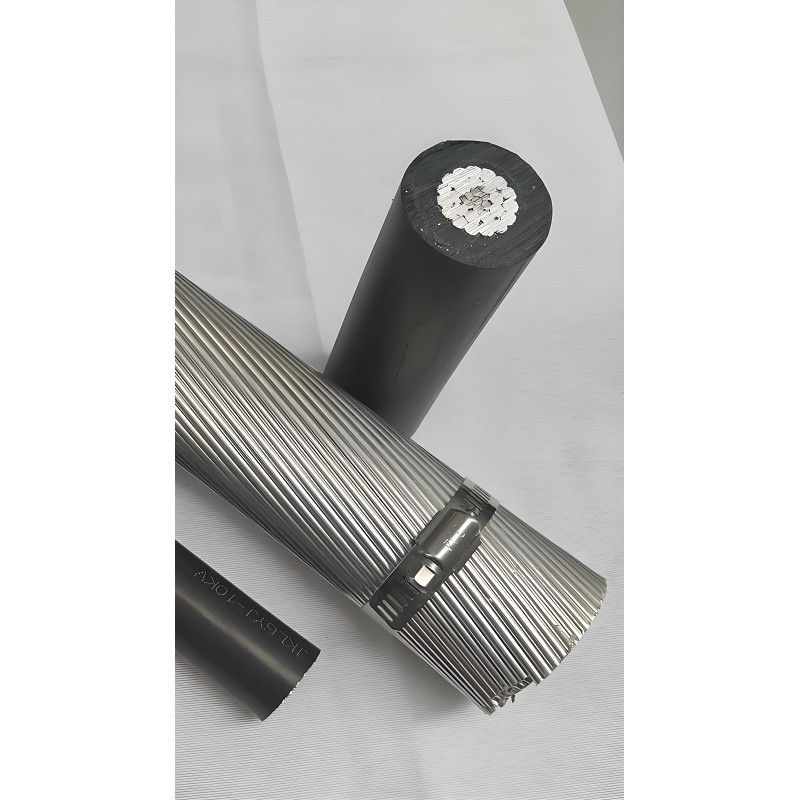
Aluminum service drop cables are commonly used for overhead power distribution in residential and commercial settings. These cables are designed to carry electrical power from the utility pole to the building's service entrance. Aluminum Service Drop Cable offers several advantages, including its lightweight nature, cost-effectiveness, and good conductivity.
One of the key benefits of aluminum service drop cables is their reduced weight compared to copper cables. This makes them easier to install and handle, especially in overhead applications where weight is a critical factor. Additionally, aluminum is more abundant and less expensive than copper, making it a cost-effective choice for large-scale power distribution projects.
However, aluminum cables also have some limitations. They have a lower conductivity than copper, which means they may require a larger cross-sectional area to carry the same amount of current. This can result in increased cable size and weight, as well as higher installation costs. Additionally, aluminum cables are more prone to oxidation and corrosion, which can affect their performance over time. To mitigate these issues, aluminum service drop cables are often coated with a protective layer to prevent oxidation and improve their durability.
Armoured Control Cable
Armoured control cables are designed to provide additional protection against mechanical damage, moisture, and electromagnetic interference (EMI). These cables are commonly used in industrial environments where cables are exposed to harsh conditions, such as heavy machinery, moving equipment, and outdoor installations. Armoured Control Cable typically consists of a core of insulated conductors surrounded by a layer of armor, which can be made of steel, aluminum, or other materials.

The armor layer provides mechanical protection against physical damage, such as crushing, abrasion, and impact. It also helps to prevent moisture from entering the cable, which can cause insulation breakdown and electrical failures. Additionally, the armor layer can act as a shield against EMI, reducing the interference between the cable and other electrical devices in the vicinity.
Armoured control cables are available in a variety of configurations, including single-core, multi-core, and screened cables. Single-core cables are typically used for power transmission, while multi-core cables are used for signal transmission and control applications. Screened cables are designed to provide additional protection against EMI, making them suitable for use in sensitive electronic systems.
Mechanical Control Cable
Mechanical control cables are used to transmit mechanical force or motion from one point to another. These cables are commonly used in automotive, aerospace, and industrial applications, where they are used to control various functions, such as throttle, brakes, and steering. Mechanical Control Cable typically consists of a flexible inner core, surrounded by a protective outer sheath.
The inner core of a mechanical control cable is usually made of a steel wire or a bundle of wires, which provides the necessary strength and flexibility to transmit the mechanical force. The outer sheath is made of a durable material, such as PVC or nylon, which protects the inner core from damage and provides a smooth surface for easy movement.
Mechanical control cables are available in a variety of lengths and diameters, depending on the specific application. They can be terminated with various types of connectors, such as ball joints, clevises, and terminals, to ensure a secure and reliable connection.
Comparison of Different Cable Types
Now that we've explored the different types of industrial control cables, let's compare them based on several key factors:
Conductivity
Copper cables have the highest conductivity, followed by aluminum cables. Mechanical control cables do not conduct electricity, as they are used for mechanical transmission only.
Mechanical Protection
Armoured control cables provide the highest level of mechanical protection, followed by mechanical control cables. Aluminum service drop cables have the least amount of mechanical protection.
Moisture Resistance
Armoured control cables and mechanical control cables are more resistant to moisture than aluminum service drop cables.
EMI Protection
Armoured control cables and screened cables provide the highest level of EMI protection, followed by mechanical control cables. Aluminum service drop cables do not provide any EMI protection.
Cost
Aluminum service drop cables are the most cost-effective option, followed by mechanical control cables. Armoured control cables are the most expensive option.
Choosing the Right Cable for Your Application
When choosing an industrial control cable, it's important to consider the specific requirements of your application. Here are some factors to consider:
Electrical Requirements
Determine the voltage, current, and frequency requirements of your application. This will help you choose the appropriate cable size and type.
Environmental Conditions
Consider the environmental conditions in which the cable will be installed, such as temperature, humidity, and exposure to chemicals or moisture. This will help you choose a cable that is resistant to these conditions.
Mechanical Requirements
Determine the mechanical requirements of your application, such as the amount of flexibility, strength, and durability required. This will help you choose a cable that can withstand the mechanical stress and strain of your application.
EMI Requirements
If your application is sensitive to electromagnetic interference, choose a cable that provides adequate EMI protection.
Cost
Consider the cost of the cable, as well as the installation and maintenance costs. Choose a cable that provides the best value for your money.
Conclusion
Choosing the right industrial control cable is essential for ensuring the reliable operation of your industrial systems. By understanding the differences between various types of cables and considering the specific requirements of your application, you can make an informed decision and select the cable that best suits your needs. As an industrial control cable supplier, I'm here to help you choose the right cable for your application and provide you with the support and expertise you need to ensure a successful installation. If you have any questions or need further information, please don't hesitate to contact me. I look forward to working with you to meet your industrial control cable needs.
References
- Electrical Installation Guide, International Electrotechnical Commission (IEC)
- National Electrical Code (NEC), National Fire Protection Association (NFPA)
- Cable Manufacturer's Catalogs and Technical Documents