

As a supplier of outdoor aerial cables, I am often asked about the chemical resistance properties of these cables. Outdoor aerial cables are exposed to a variety of environmental factors, including chemicals, which can have a significant impact on their performance and lifespan. In this blog post, I will discuss the chemical resistance properties of outdoor aerial cables, including the types of chemicals they may encounter, the effects of these chemicals on the cables, and the measures that can be taken to enhance their chemical resistance.
Types of Chemicals Outdoor Aerial Cables May Encounter
Outdoor aerial cables can be exposed to a wide range of chemicals, both natural and man - made. Some of the common chemicals include:
-
Acids and Bases: Industrial emissions, acid rain, and agricultural fertilizers can introduce acids and bases into the environment. Acid rain, for example, is formed when sulfur dioxide and nitrogen oxides react with water in the atmosphere, creating sulfuric and nitric acids. These acids can corrode the outer sheath of the cable, leading to damage and potential failure.
-
Salts: Coastal areas or regions with high levels of road salt usage can expose cables to saltwater or salt - laden air. Salt can cause corrosion of the metal components in the cable, such as conductors and armor, and can also affect the integrity of the insulation.
-
Petroleum - based Products: In industrial areas or near oil refineries, cables may come into contact with petroleum - based products such as oil, gasoline, and lubricants. These substances can degrade the cable insulation and sheath materials, reducing their electrical performance and mechanical strength.
-
Chemicals in Soil: The soil in which the cable supports are installed may contain various chemicals, such as heavy metals, pesticides, and fertilizers. These chemicals can gradually seep into the cable over time, causing damage to the insulation and other components.
Effects of Chemicals on Outdoor Aerial Cables
The exposure to chemicals can have several negative effects on outdoor aerial cables:
-
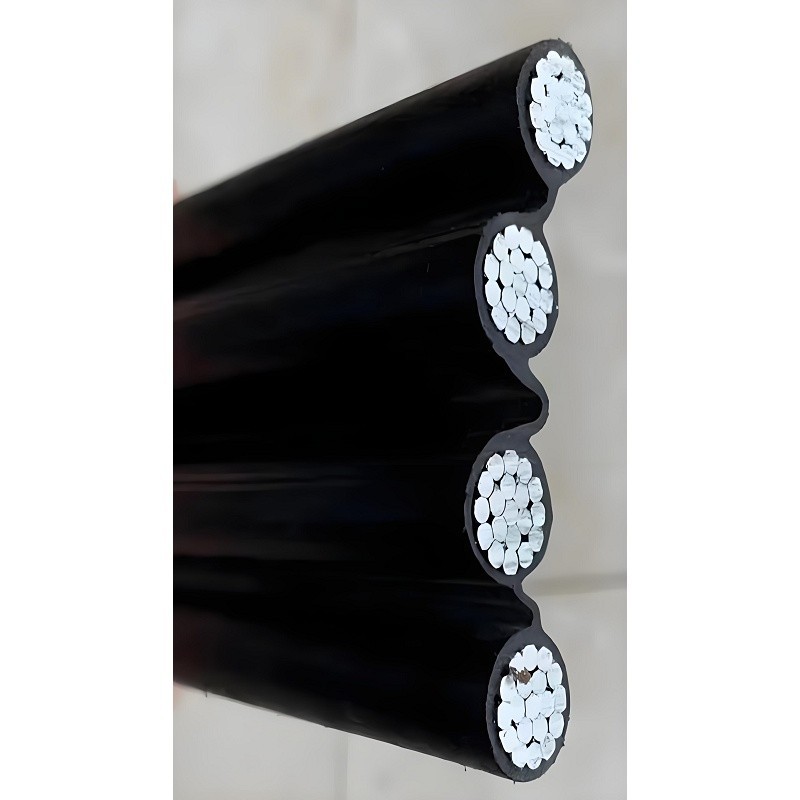
Corrosion: Chemicals can cause corrosion of the metal parts of the cable, including conductors, armor, and connectors. Corrosion can lead to a reduction in the cross - sectional area of the conductors, increasing resistance and power loss. It can also weaken the mechanical strength of the cable, making it more prone to breakage.

-
Insulation Degradation: Chemicals can attack the insulation materials of the cable, causing them to lose their dielectric properties. This can result in increased leakage current, reduced insulation resistance, and ultimately, electrical breakdown.
-
Sheath Damage: The outer sheath of the cable provides protection against environmental factors. Chemicals can cause the sheath to crack, peel, or become brittle, exposing the inner components of the cable to further damage.
Enhancing Chemical Resistance of Outdoor Aerial Cables
To ensure the long - term performance and reliability of outdoor aerial cables in chemically - harsh environments, several measures can be taken:
-
Material Selection: Choosing the right materials for the cable is crucial. For example, cables with a polyethylene (PE) or polyvinyl chloride (PVC) sheath can offer good resistance to many chemicals. Additionally, using corrosion - resistant metals for conductors and armor, such as aluminum or stainless steel, can help prevent corrosion.
-
Coatings and Linings: Applying protective coatings or linings to the cable can enhance its chemical resistance. For example, a cable can be coated with a chemical - resistant paint or a layer of rubber to protect it from acids, bases, and other chemicals.
-
Design Considerations: Proper cable design can also improve chemical resistance. For instance, using a double - layer sheath or adding an additional protective layer can provide extra protection against chemical attack.
Specific Chemical Resistance of Different Cable Types
Let's take a look at the chemical resistance properties of some common types of outdoor aerial cables:
-
Mechanical Control Cable: Mechanical Control Cable is often used in outdoor applications where precise control is required. These cables are typically designed to be resistant to a variety of chemicals, including oils, greases, and some acids. The outer sheath of mechanical control cables is usually made of a durable material that can withstand exposure to harsh chemicals without significant degradation.
-
Aluminum Service Drop Cable: Aluminum Service Drop Cable is commonly used to connect a building to the power grid. Aluminum has good corrosion resistance, especially in the presence of oxygen, which forms a protective oxide layer on its surface. However, it can be susceptible to corrosion in acidic or alkaline environments. To enhance its chemical resistance, the cable may be coated or have a protective sheath.
-
Overhead Insulated Cable: Overhead Insulated Cable is designed to provide electrical insulation and protection in outdoor overhead applications. These cables are often made with materials that have good chemical resistance, such as cross - linked polyethylene (XLPE) insulation. XLPE is resistant to many chemicals, including acids, bases, and solvents, making it suitable for use in a wide range of environments.
Conclusion
The chemical resistance properties of outdoor aerial cables are of utmost importance for their long - term performance and reliability. By understanding the types of chemicals they may encounter, the effects of these chemicals on the cables, and the measures that can be taken to enhance their chemical resistance, we can ensure that our cables can withstand the harsh outdoor environment.
If you are in need of high - quality outdoor aerial cables with excellent chemical resistance, we are here to help. Our team of experts can provide you with detailed information about our products and assist you in selecting the right cable for your specific application. Contact us today to start a procurement discussion and find the best solution for your needs.
References
- "Handbook of Cable Technology" by John W. McDonald
- "Electrical Power Cable Engineering" by William A. Thue
- "Corrosion and Corrosion Control" by Mars G. Fontana