

As a supplier of Mining Electrical Cable, I've witnessed firsthand the critical role these cables play in the mining industry. The replacement of mining electrical cables is not a decision to be taken lightly, as it involves numerous factors that must be carefully considered to ensure safety, efficiency, and compliance with industry standards. In this blog post, I'll delve into the key requirements for replacing mining electrical cables, drawing on my experience in the field.
Safety First
Safety is the paramount concern when it comes to replacing mining electrical cables. Mining environments are often harsh and hazardous, with the potential for explosions, fires, and electrical shocks. Therefore, any replacement cable must meet strict safety standards to protect the lives of miners and prevent costly accidents.
Flame Resistance
Mining cables should be flame-resistant to prevent the spread of fire in the event of a short circuit or other electrical fault. Flame-resistant cables are designed to self-extinguish when exposed to flames, reducing the risk of a fire spreading throughout the mine.
Explosion Protection
In mines where explosive gases or dust are present, cables must be explosion-proof. These cables are designed to prevent the ignition of explosive mixtures, ensuring the safety of the mining environment.
Electrical Insulation
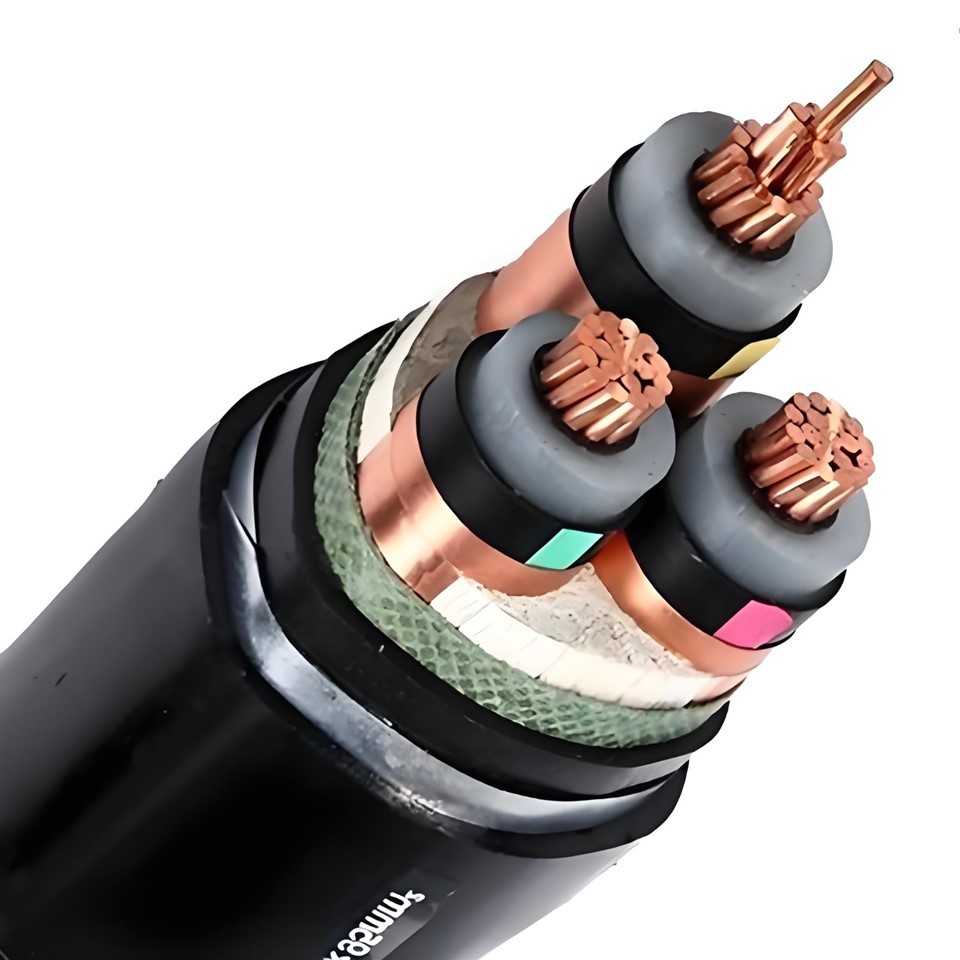
Proper electrical insulation is essential to prevent electrical shocks and short circuits. Mining cables should have high-quality insulation materials that can withstand the harsh conditions of the mining environment, including high temperatures, moisture, and mechanical stress.
Performance and Durability
In addition to safety, the performance and durability of mining electrical cables are also crucial. Mining operations require cables that can withstand the rigors of continuous use, heavy loads, and harsh environmental conditions.
Ampacity
The ampacity of a cable refers to its ability to carry electrical current without overheating. When replacing mining cables, it's important to choose cables with the appropriate ampacity for the specific application. Overloading a cable can lead to overheating, which can cause damage to the cable and increase the risk of a fire.
Voltage Rating
The voltage rating of a cable indicates the maximum voltage it can safely handle. Mining cables must be rated for the specific voltage of the electrical system in which they will be used. Using a cable with a lower voltage rating than required can result in electrical breakdown and pose a safety hazard.
Mechanical Strength
Mining cables are often subjected to mechanical stress, such as bending, pulling, and abrasion. Therefore, they must have sufficient mechanical strength to withstand these forces without breaking or becoming damaged. Cables with high tensile strength and good flexibility are ideal for mining applications.
Compliance with Standards
Mining electrical cables must comply with a variety of national and international standards to ensure their safety and performance. These standards cover a wide range of factors, including cable construction, insulation materials, and testing procedures.
National Electrical Code (NEC)
The NEC is a set of standards developed by the National Fire Protection Association (NFPA) that govern the installation and use of electrical systems in the United States. Mining electrical cables must comply with the NEC to ensure their safety and compliance with local regulations.
International Electrotechnical Commission (IEC)
The IEC is an international organization that develops and publishes standards for electrical and electronic technologies. Many countries around the world use IEC standards as the basis for their own national electrical codes. Mining electrical cables must comply with relevant IEC standards to ensure their compatibility with international markets.
Mining-Specific Standards
In addition to general electrical standards, mining electrical cables must also comply with mining-specific standards. These standards are designed to address the unique challenges and requirements of the mining industry, such as explosion protection and flame resistance.
Compatibility with Existing Systems
When replacing mining electrical cables, it's important to ensure that the new cables are compatible with the existing electrical system. This includes factors such as cable size, voltage rating, and connector type.
Cable Size
The size of the cable is determined by the amount of electrical current it needs to carry. When replacing a cable, it's important to choose a cable with the same or larger size as the original cable to ensure that it can handle the electrical load.
Voltage Rating
The voltage rating of the new cable must match the voltage rating of the existing electrical system. Using a cable with a different voltage rating can result in electrical breakdown and pose a safety hazard.
Connector Type
The connector type of the new cable must be compatible with the existing connectors in the electrical system. Using incompatible connectors can result in poor electrical connections, which can lead to overheating and other problems.
Cost and Availability
The cost and availability of mining electrical cables are also important factors to consider when planning a replacement. While it's important to choose high-quality cables that meet the necessary safety and performance requirements, it's also important to consider the cost of the cables and their availability in the market.
Cost
The cost of mining electrical cables can vary depending on a variety of factors, such as cable size, voltage rating, and insulation material. When choosing a cable, it's important to compare the costs of different options and choose the one that offers the best value for money.
Availability
The availability of mining electrical cables can also be a challenge, especially in remote or hard-to-reach areas. When planning a replacement, it's important to ensure that the cables are available in the market and can be delivered in a timely manner.
Conclusion
Replacing mining electrical cables is a complex process that requires careful consideration of a variety of factors. By ensuring that the new cables meet the necessary safety, performance, and compliance requirements, and are compatible with the existing electrical system, you can help to ensure the safety and efficiency of your mining operations.
If you're in the market for high-quality mining electrical cables, I encourage you to contact us to discuss your specific needs. Our team of experts can help you choose the right cables for your application and provide you with the support and guidance you need to ensure a successful replacement.
References
- National Fire Protection Association (NFPA). National Electrical Code (NEC).
- International Electrotechnical Commission (IEC). International standards for electrical and electronic technologies.
- Aluminum Service Drop Cable
- Medium Voltage Power Cable
- Hv Power Cable