

When it comes to the realm of electrical systems, multi - core control cables play a pivotal role. As a supplier of multi - core control cables, I understand the significance of safety when these cables are in use. In this blog, I will delve into the essential safety precautions that should be taken when using multi - core control cables.
1. Pre - installation Safety Checks
Before installing multi - core control cables, a series of safety checks are crucial. First and foremost, it is necessary to inspect the cables for any visible damage. Look for cuts, abrasions, or signs of wear on the outer sheath. A damaged sheath can expose the inner conductors, leading to potential short - circuits or electrical shocks.
Another important aspect is to ensure that the cable's specifications match the requirements of the electrical system. Check the voltage rating, current - carrying capacity, and insulation resistance. Using a cable with an inappropriate voltage rating can result in overheating and even fire hazards. For instance, if a system requires a cable with a high - voltage rating and a lower - rated cable is used, the cable may not be able to handle the electrical load, leading to insulation breakdown.
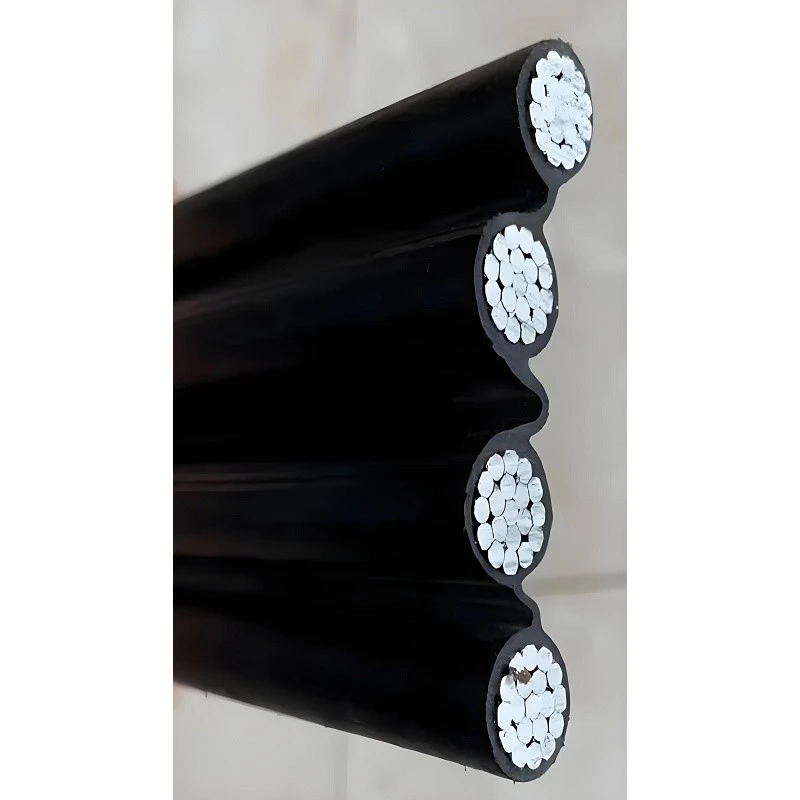
It is also advisable to verify the environmental conditions where the cable will be installed. If the cable is to be used in an outdoor environment, consider factors such as temperature, humidity, and exposure to sunlight. Outdoor Aerial Cable (/cable/outdoor - aerial - cable.html) is designed to withstand these harsh conditions. For areas with high humidity or moisture, cables with proper moisture - resistant insulation should be chosen.
2. Installation Safety
During the installation process, proper handling of the multi - core control cables is essential. Avoid sharp bends or kinks in the cable, as these can damage the internal conductors and insulation. The minimum bending radius specified by the cable manufacturer should be strictly adhered to. For example, if the manufacturer recommends a minimum bending radius of 10 times the cable diameter, any bend with a smaller radius can cause long - term damage to the cable.
Proper grounding is another critical safety measure. All multi - core control cables should be grounded to prevent the build - up of static electricity and to provide a path for fault currents. A well - grounded cable can protect both the electrical equipment and the users from electrical shocks. When installing the cable, ensure that the grounding conductor is properly connected to a reliable grounding point.
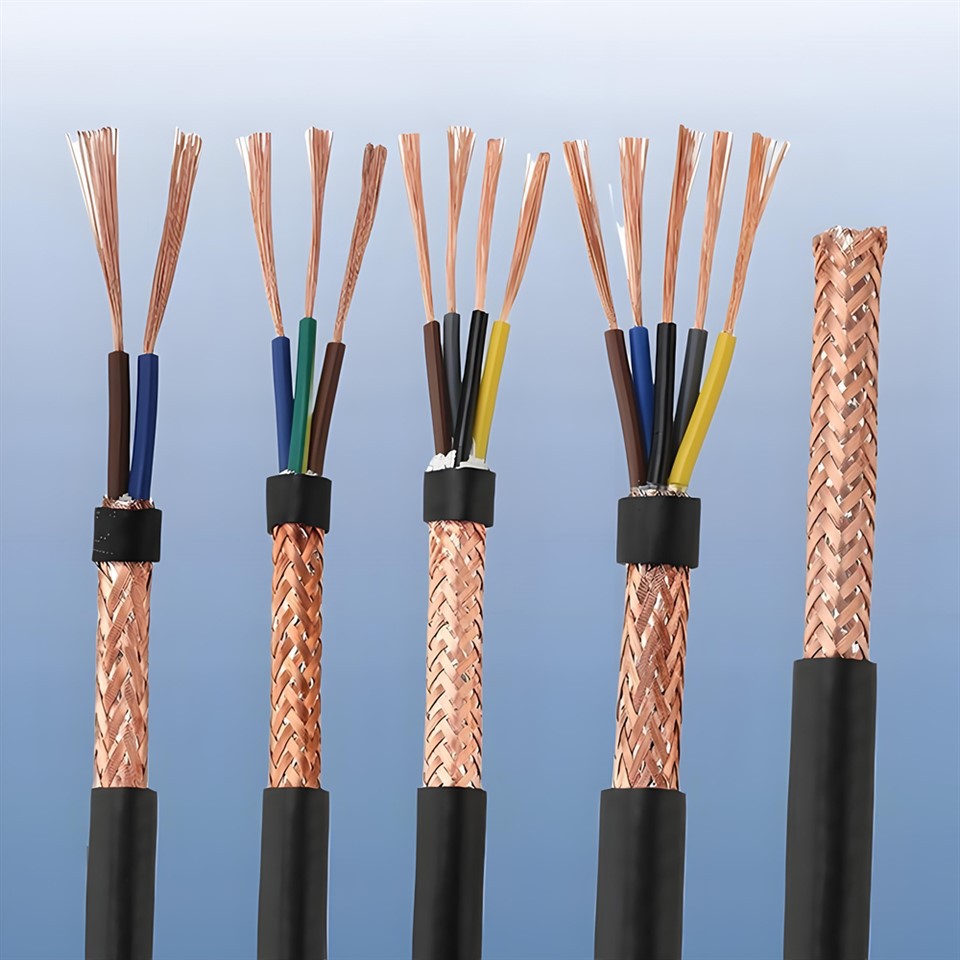
Separation of power and control cables is also important. Power cables carry high - voltage currents, and if they are not separated from control cables, electromagnetic interference (EMI) can occur. EMI can disrupt the normal operation of the control system, leading to inaccurate readings or malfunctions. Screened Control Cable (/cable/screened - control - cable.html) can be used to reduce EMI. The screen acts as a shield, protecting the control signals from interference.
3. Operation and Maintenance Safety
Once the multi - core control cables are installed and in operation, regular maintenance is necessary to ensure their safe and reliable performance. Inspect the cables periodically for any signs of damage or wear. Check the connections at the terminals to ensure they are tight and secure. Loose connections can cause arcing, which can lead to overheating and fire.
Monitoring the temperature of the cables is also important. Excessive heat can indicate a problem, such as overloading or a short - circuit. If the cable temperature exceeds the recommended operating temperature, immediate action should be taken to identify and resolve the issue.
In addition, it is important to follow the manufacturer's guidelines for the operation and maintenance of the cables. Some cables may require special cleaning or lubrication procedures. For example, cables used in high - dust environments may need to be cleaned regularly to prevent the accumulation of dust, which can affect the cable's performance.
4. Safety Precautions in Special Environments
In some special environments, additional safety precautions need to be taken. For example, in a hazardous area where there is a risk of explosion or fire, cables with appropriate explosion - proof or flame - retardant properties should be used. Medium Voltage Power Cable (/cable/medium - voltage - power - cable.html) may be required in areas with higher voltage requirements.
In areas with high levels of electromagnetic radiation, such as near radio transmitters or industrial equipment, cables with enhanced shielding properties should be selected to reduce the impact of electromagnetic interference.
5. Training and Education
Proper training and education for the personnel involved in the installation, operation, and maintenance of multi - core control cables are essential. They should be familiar with the safety procedures and regulations related to cable use. Training programs can include topics such as cable installation techniques, safety inspections, and emergency response procedures.
By providing comprehensive training, the risk of accidents and injuries can be significantly reduced. Personnel should also be aware of the potential hazards associated with multi - core control cables and how to prevent them.
6. Conclusion and Call to Action
In conclusion, safety is of utmost importance when using multi - core control cables. By following the safety precautions outlined above, the risk of electrical accidents, fires, and equipment failures can be minimized. As a multi - core control cable supplier, I am committed to providing high - quality cables and ensuring that our customers are well - informed about the safety aspects of using our products.
If you are in need of multi - core control cables or have any questions about their safety and usage, please feel free to contact us for further discussion and procurement. We are here to assist you in making the right choices for your electrical systems.
References
- Electrical Safety Standards and Guidelines, National Electrical Code (NEC)
- Cable Manufacturer's Product Manuals
- Industry Best Practices for Electrical Cable Installation and Maintenance