

When it comes to installing medium voltage power cables, safety should always be the top priority. As a medium voltage power cable supplier, I've seen firsthand the importance of taking the right precautions during the installation process. In this blog, I'll share some essential safety tips to ensure a smooth and hazard - free installation.
Pre - installation Checks
Before you even start the installation, there are several crucial steps you need to take. First off, it's vital to conduct a thorough site inspection. Look for any potential hazards such as uneven terrain, underground utilities, or areas prone to flooding. This can help you plan the cable route and avoid any future problems.
You should also check the cable itself. Make sure it's the right type and size for the intended application. Inspect the cable for any visible damage, like cuts, abrasions, or kinks. A damaged cable can lead to electrical faults and pose a significant safety risk.
Another important pre - installation step is to review the installation manual. Every cable has specific installation requirements, and following the manufacturer's guidelines is essential. This will ensure that the cable is installed correctly and functions as intended.
Personal Protective Equipment (PPE)
Wearing the right PPE is non - negotiable when installing medium voltage power cables. You should always wear insulated gloves to protect your hands from electrical shocks. These gloves need to be regularly tested to ensure they're still providing adequate protection.
Safety glasses are also a must. They protect your eyes from debris, dust, and any potential splashes. Hard hats are essential to protect your head from falling objects, especially if you're working in an area where there's construction or other overhead work going on.
Steel - toed boots are necessary to protect your feet from heavy objects or sharp tools. And don't forget about high - visibility vests. These make you more visible to other workers on the site, reducing the risk of accidents.
Cable Handling
Proper cable handling is crucial for both safety and the longevity of the cable. When uncoiling the cable, make sure it's done in a controlled manner. Avoid pulling the cable too hard or too fast, as this can cause damage to the cable's insulation.
Use cable rollers or guides to help ease the cable into place. This reduces the friction and stress on the cable, preventing any unnecessary wear and tear. When lifting the cable, use appropriate lifting equipment, such as cranes or hoists. Make sure the lifting points are properly secured to avoid the cable from slipping or falling.
Electrical Safety
Medium voltage power cables carry a significant amount of electrical energy, so electrical safety is of utmost importance. Before starting any work on the cable, make sure the power is turned off at the source. This can be done by locking out and tagging the circuit breaker.
Use a voltage tester to double - check that the cable is de - energized. Even if you think the power is off, it's always better to be safe than sorry. When working on the cable, use insulated tools to prevent electrical shocks.
Grounding is another crucial aspect of electrical safety. Make sure the cable is properly grounded to prevent the build - up of static electricity and to protect against electrical faults.
Environmental Considerations
The environment where the cable is being installed can also impact safety. If you're working in a wet or damp area, take extra precautions to prevent electrical hazards. Use waterproof covers and ensure that all electrical connections are properly sealed.
In areas with extreme temperatures, the cable's performance can be affected. Make sure the cable is rated for the temperature range of the installation site. High temperatures can cause the cable's insulation to degrade, while low temperatures can make the cable more brittle and prone to damage.
Installation Techniques
When installing the cable, it's important to use the right techniques. Avoid bending the cable beyond its recommended radius. Bending the cable too sharply can damage the insulation and conductors, leading to electrical problems.
Make sure the cable is properly supported along its entire length. Use cable trays, conduits, or hangers to keep the cable in place. This prevents the cable from sagging or being damaged by external forces.
Post - installation Checks
Once the cable is installed, it's important to conduct a final inspection. Check all the connections to make sure they're tight and secure. Look for any signs of damage or wear on the cable.
Perform electrical tests to ensure that the cable is functioning correctly. This can include insulation resistance tests and continuity tests. If any issues are found, they should be addressed immediately.
Conclusion
Installing medium voltage power cables is a complex task that requires careful planning and attention to safety. By following these safety precautions, you can minimize the risk of accidents and ensure a successful installation.
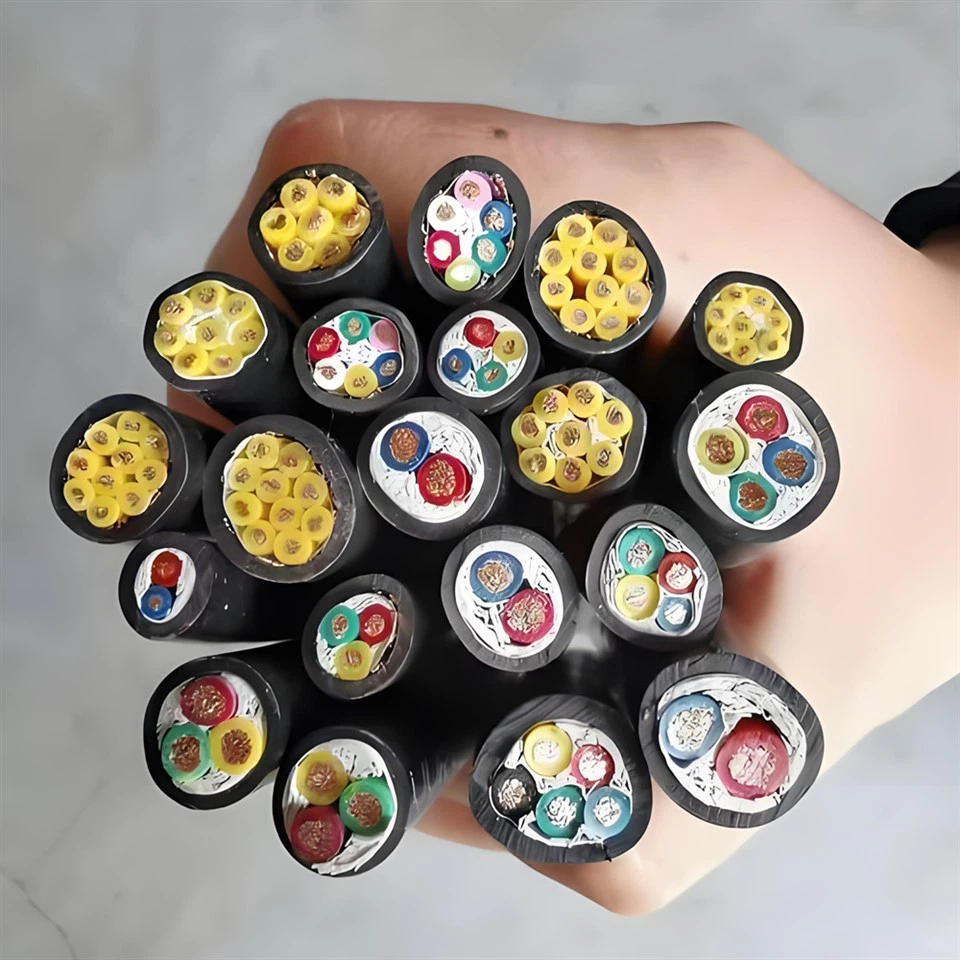
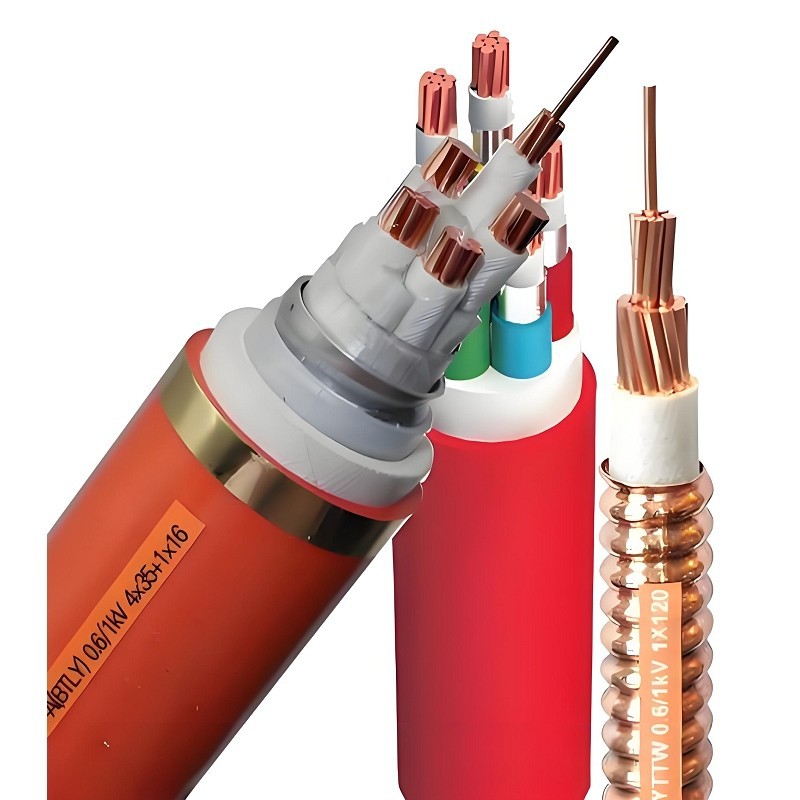
If you're in the market for high - quality medium voltage power cables, we're here to help. We offer a wide range of products, including Multi Core Control Cable, Mining Electrical Cable, and Electrical Control Cable. If you have any questions or are interested in purchasing our cables, feel free to reach out to us for a consultation. We're committed to providing you with the best products and support for your electrical needs.
References
- Electrical Safety Standards Handbook
- Medium Voltage Cable Installation Guidelines by Industry Experts