

Hey there! As a supplier of Mechanical Control Cables, I often get asked about what materials these cables are made of. So, I thought I'd take a deep dive into this topic and share some insights with you.
Let's start with the basics. Mechanical control cables are used in a wide range of applications, from automotive to industrial machinery. They're designed to transmit mechanical force from one point to another, allowing for precise control of various systems. The materials used in these cables play a crucial role in their performance, durability, and overall quality.
Steel
One of the most common materials used in mechanical control cables is steel. Steel is known for its high strength, durability, and resistance to corrosion. It can withstand high levels of tension and is suitable for applications where a strong and reliable cable is required.
There are different types of steel used in cable manufacturing, including carbon steel and stainless steel. Carbon steel is a popular choice due to its relatively low cost and good strength properties. However, it is more prone to corrosion compared to stainless steel. Stainless steel, on the other hand, contains chromium, which gives it excellent corrosion resistance. This makes it ideal for applications in harsh environments or where the cable is exposed to moisture or chemicals.
For example, in automotive applications, steel cables are often used in throttle controls, clutch controls, and parking brake systems. The high strength of steel ensures that these cables can handle the forces required to operate these systems effectively.
Nylon
Nylon is another material commonly used in mechanical control cables. It is a synthetic polymer that offers several advantages, such as low friction, flexibility, and resistance to abrasion. Nylon cables are often used in applications where smooth operation and low noise are important.
Nylon is also lightweight, which can be beneficial in applications where weight is a concern. For instance, in aerospace applications, nylon cables are used to control various systems, such as flaps and landing gear. The low friction properties of nylon allow for smooth and precise control, while its lightweight nature helps to reduce the overall weight of the aircraft.
Copper
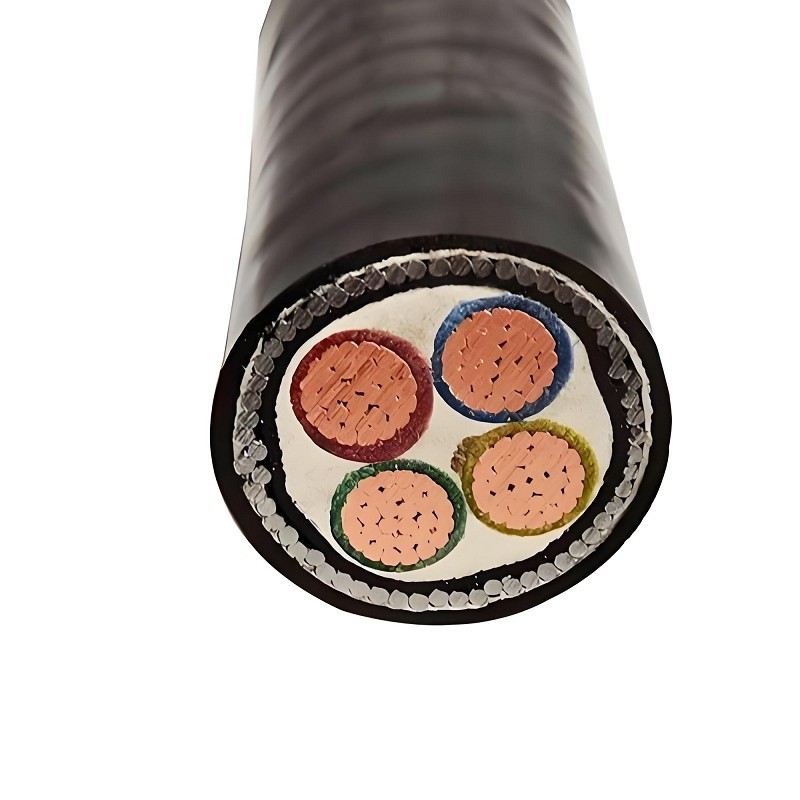
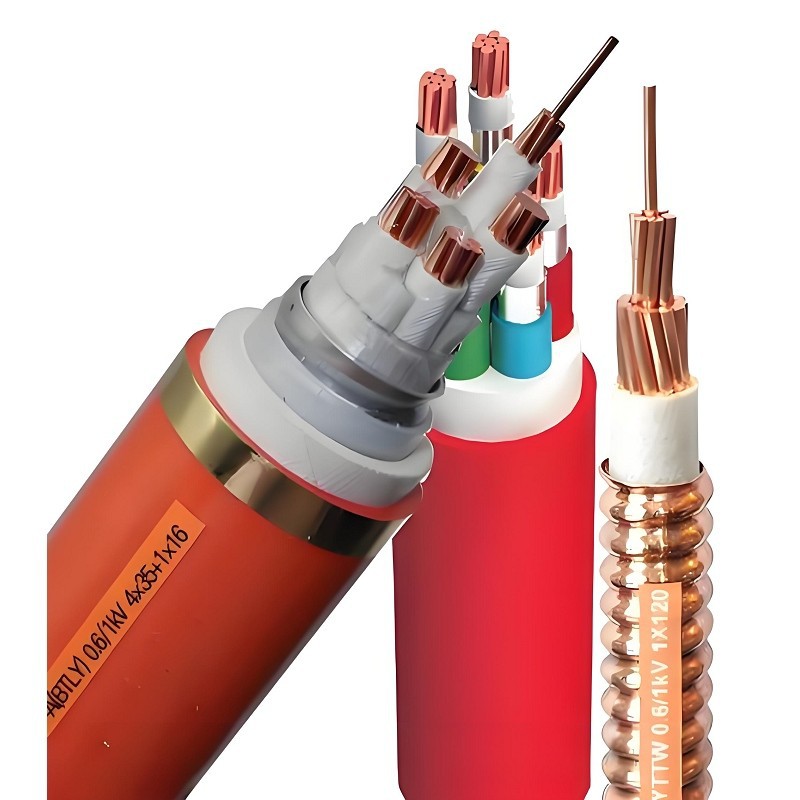
Copper is a highly conductive material that is often used in electrical control cables. While mechanical control cables are primarily used for transmitting mechanical force, some cables may also incorporate electrical components, such as sensors or switches. In these cases, copper is used to provide electrical conductivity.
Copper Control Cable is known for its excellent electrical conductivity, which ensures efficient transmission of electrical signals. It is also malleable, making it easy to form into different shapes and sizes. Copper cables are commonly used in industrial applications, such as automation systems and control panels.
Aluminum
Aluminum is another material that can be used in mechanical control cables. It is lightweight, corrosion-resistant, and has good electrical conductivity. Aluminum cables are often used in applications where weight is a critical factor, such as in the aerospace and automotive industries.
However, aluminum has a lower strength compared to steel, so it may not be suitable for applications that require high levels of tension. In some cases, aluminum cables may be reinforced with other materials, such as steel, to increase their strength.
Other Materials
In addition to the materials mentioned above, there are other materials that can be used in mechanical control cables, depending on the specific application. For example, some cables may use fiber-reinforced polymers, such as fiberglass or carbon fiber, to provide additional strength and stiffness. These materials are often used in high-performance applications, such as racing cars or aircraft.
Some cables may also use rubber or plastic coatings to provide protection against abrasion, moisture, and chemicals. These coatings can improve the durability and lifespan of the cable, especially in harsh environments.
Choosing the Right Material
When choosing the material for a mechanical control cable, several factors need to be considered. These include the application requirements, the operating environment, the required strength and flexibility, and the cost.
For example, if the cable is going to be used in a high-tension application, steel may be the best choice. If the cable needs to be lightweight and flexible, nylon or aluminum may be more suitable. If the cable needs to have electrical conductivity, copper may be the preferred material.
It's also important to consider the cost of the material. While some materials, such as steel and copper, may be more expensive, they may offer better performance and durability in the long run. On the other hand, materials like nylon and aluminum may be more cost-effective, but they may not be suitable for all applications.
Conclusion
In conclusion, mechanical control cables can be made from a variety of materials, each with its own unique properties and advantages. Steel, nylon, copper, and aluminum are some of the most common materials used in cable manufacturing, but there are also other materials available depending on the specific application.
As a supplier of Mechanical Control Cables, I have the expertise and experience to help you choose the right material for your application. Whether you need a cable for automotive, industrial, or aerospace applications, I can provide you with high-quality cables that meet your requirements.
If you're interested in purchasing mechanical control cables or have any questions about the materials used in these cables, please don't hesitate to contact me. I'd be happy to discuss your needs and provide you with a quote.
References
- "Materials Science and Engineering: An Introduction" by William D. Callister Jr. and David G. Rethwisch
- "Mechanical Engineering Design" by Joseph E. Shigley, Charles R. Mischke, and Richard G. Budynas
- "Handbook of Cable Technology" by John W. McDonald