

Hey there! As an industrial control cable supplier, I've seen firsthand the importance of getting the right cables for packaging applications. In this blog, I'm gonna break down the requirements for industrial control cables in packaging, so you can make an informed decision when it comes to your next project.
1. Electrical Performance
First off, let's talk about electrical performance. In packaging applications, the cables need to be able to handle the right amount of voltage and current. You don't want a cable that's gonna short out or cause electrical issues. For instance, if you're using machinery in a packaging line that requires a certain level of power, you need a cable that can deliver that power safely and efficiently.
Our Copper Control Cable is a great option here. Copper is an excellent conductor of electricity, which means it can carry electrical signals with minimal loss. This is crucial in packaging applications where precise control is needed. Whether it's for controlling motors, sensors, or other components in the packaging machinery, a copper control cable can ensure that the electrical signals are transmitted accurately.
2. Durability
Packaging environments can be tough. There's a lot of movement, vibration, and sometimes even exposure to harsh chemicals. That's why durability is a key requirement for industrial control cables in packaging.
The cables need to be able to withstand mechanical stress. This includes things like bending, twisting, and pulling. For example, in a packaging line where the cables are constantly being moved around as the machinery operates, a cable that can't handle these movements is gonna break down quickly.
Our cables are designed with durability in mind. They have strong outer jackets that protect the inner conductors from damage. The materials used in the jackets are resistant to abrasion, which means they can handle the rough and tumble of a packaging environment.
3. Flexibility
Flexibility is another important factor. In packaging applications, the cables often need to be routed through tight spaces and around machinery. A cable that's too stiff is gonna be difficult to install and may not be able to adapt to the changing positions of the equipment.
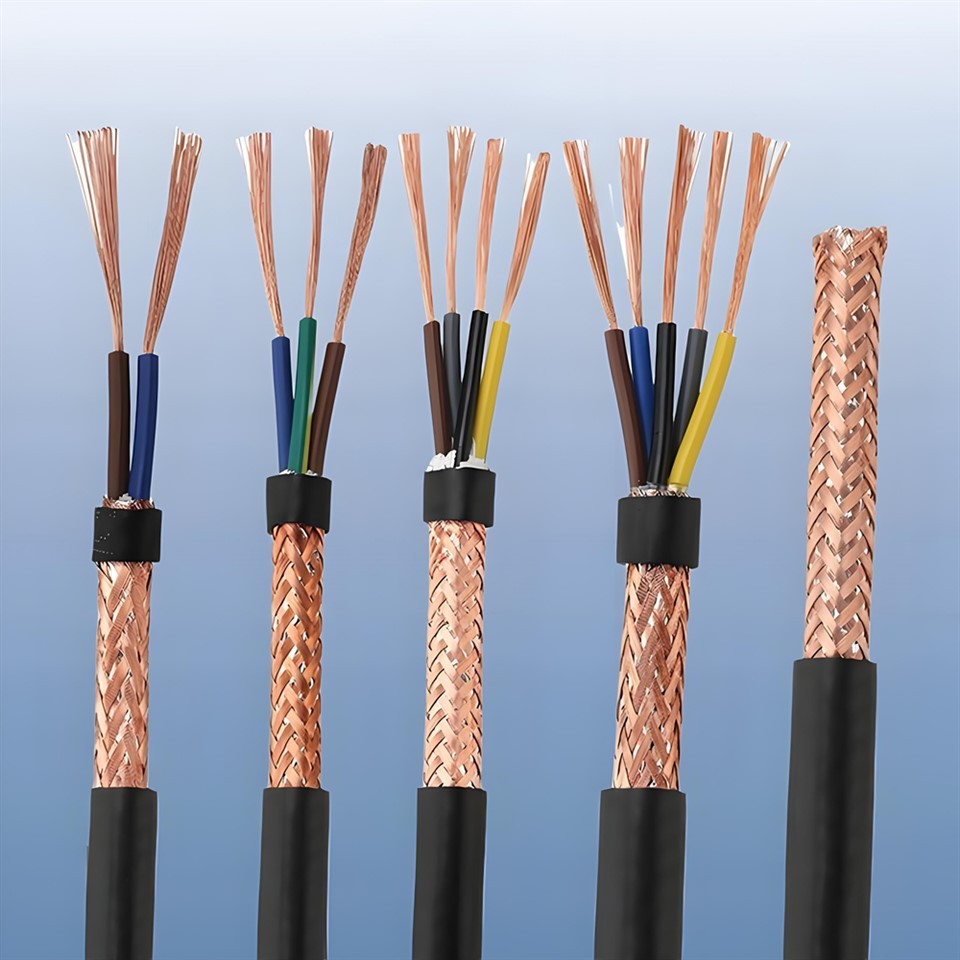
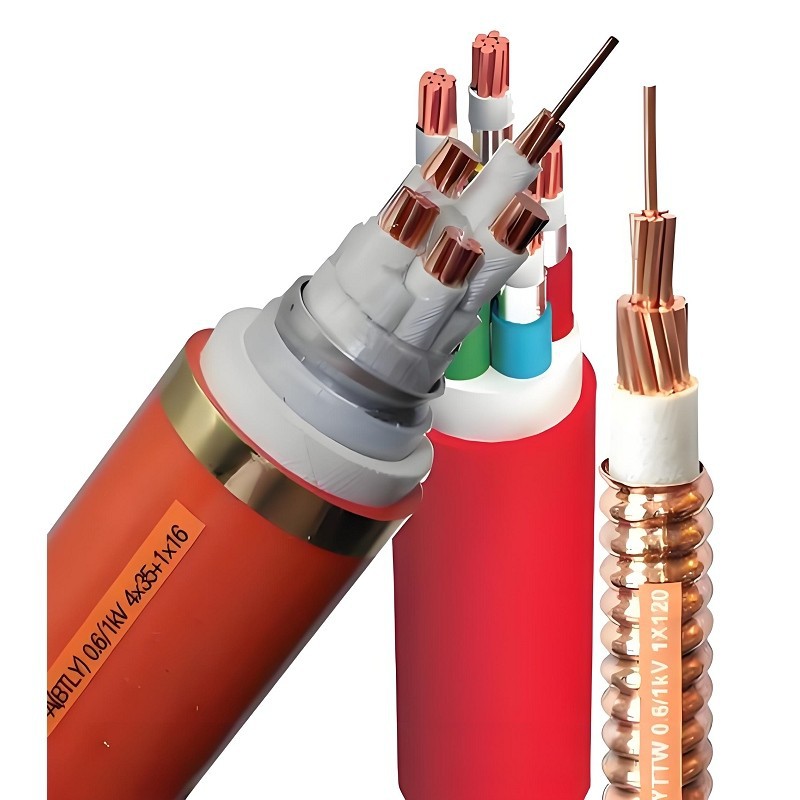
Our cables are engineered to be highly flexible. This allows for easy installation and ensures that the cables can move with the machinery without getting damaged. Whether it's a robotic arm in a packaging cell or a conveyor belt system, our flexible cables can keep up with the movement.
4. Resistance to Environmental Factors
Packaging facilities can have a variety of environmental conditions. Some areas may be hot and humid, while others may be exposed to dust or chemicals. The industrial control cables need to be able to resist these environmental factors.
For example, if the packaging process involves the use of chemicals, the cables need to be resistant to chemical corrosion. Our cables are treated with special coatings that make them resistant to a wide range of chemicals. This ensures that they can maintain their performance even in harsh chemical environments.
In addition, our cables are also designed to be resistant to temperature extremes. Whether it's a cold storage area or a hot production line, our cables can handle the temperature variations without losing their electrical properties.
5. Signal Integrity
In packaging applications, accurate signal transmission is crucial. The cables need to be able to carry signals without interference or loss. This is especially important for control systems that rely on precise signals to operate the machinery.
Our cables are designed to minimize signal interference. They use shielding techniques to protect the inner conductors from external electromagnetic interference. This ensures that the signals are transmitted accurately, which is essential for the proper functioning of the packaging equipment.
6. Safety
Safety is always a top priority. Industrial control cables in packaging applications need to meet certain safety standards. This includes things like fire resistance and insulation quality.
Our cables are designed to be fire-resistant. In the event of a fire, they won't contribute to the spread of the flames. This is important for protecting the packaging facility and the people working there.
The insulation on our cables is of high quality. It provides a barrier between the conductors and the outside environment, preventing electrical shocks and short circuits.
7. Compatibility
The industrial control cables need to be compatible with the equipment they're being used with. This includes things like connectors and interfaces.
Our cables come with a variety of connector options to ensure compatibility with different types of equipment. Whether it's a plug-and-play connector or a custom-designed interface, we can provide the right solution for your packaging application.
8. Cost-Effectiveness
Last but not least, cost-effectiveness is an important consideration. You want to get the best value for your money. Our cables are priced competitively without sacrificing quality. We understand that in the packaging industry, every penny counts, and we strive to provide high-quality cables at a reasonable price.
If you're in the market for industrial control cables for your packaging applications, we'd love to hear from you. Our team of experts can help you choose the right cables for your specific needs. Whether you have questions about electrical performance, durability, or any other aspect of the cables, we're here to assist you. So, don't hesitate to reach out and start a conversation about your cable requirements.
References
- General knowledge and experience in the industrial control cable industry.
- Industry standards and best practices for packaging applications.