

When it comes to the electrical infrastructure of a building, flexible building wire plays a crucial role. As a supplier of flexible building wire, I understand the importance of being able to identify the right type of wire for different applications. In this blog post, I'll share some key factors and methods to help you accurately identify the type of flexible building wire you need.
Understanding the Basics of Flexible Building Wire
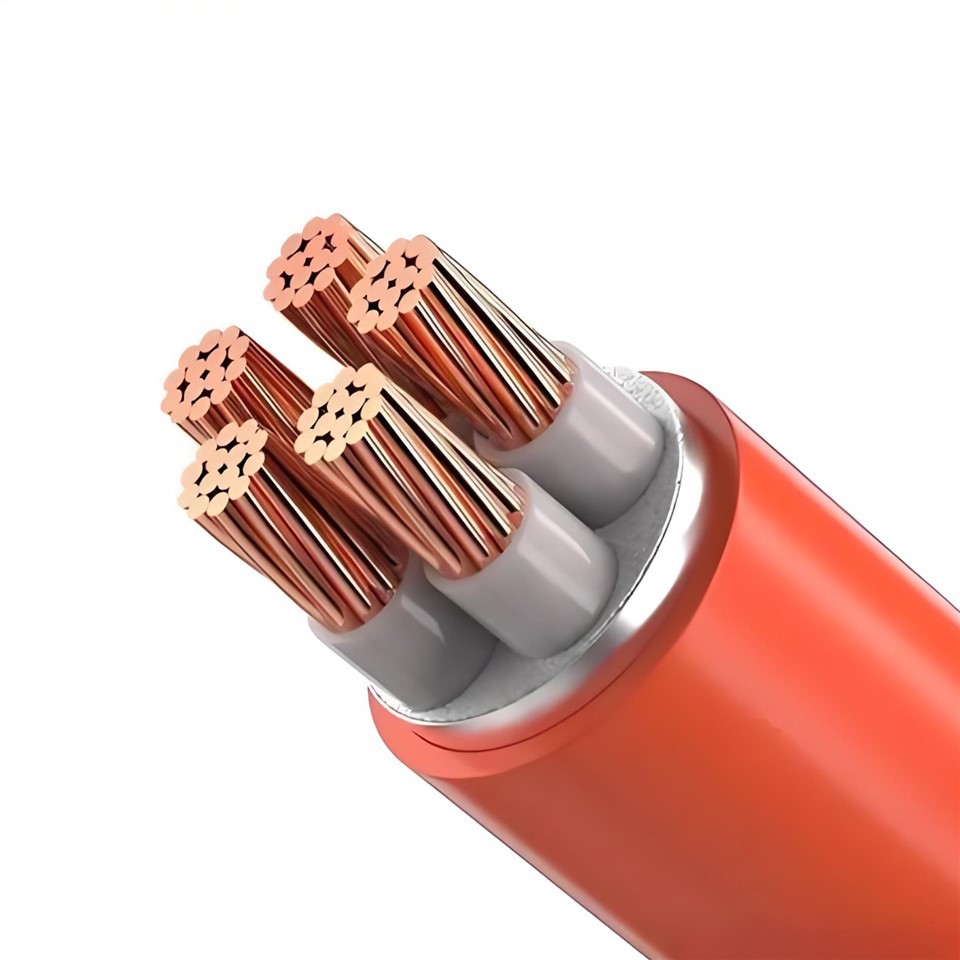
Flexible building wire is designed to provide a reliable and safe electrical connection in various building environments. It is made up of multiple strands of copper or aluminum conductors, which are insulated with materials such as PVC (polyvinyl chloride), XLPE (cross-linked polyethylene), or rubber. The flexibility of the wire allows it to be easily bent and routed through walls, conduits, and other tight spaces.
Factors to Consider When Identifying Flexible Building Wire
1. Application
The first step in identifying the type of flexible building wire is to determine its intended application. Different applications have different requirements in terms of voltage, current, and environmental conditions. For example, Cable for House is typically used for residential electrical systems, where the voltage is usually 120V or 240V. On the other hand, Commercial Wiring Cable is designed for commercial buildings, which may require higher voltages and more complex electrical systems.

2. Conductor Material
The conductor material is another important factor to consider. Copper is the most commonly used conductor material for flexible building wire due to its excellent electrical conductivity and corrosion resistance. Aluminum conductors are also used in some applications, especially for larger wire sizes, as they are lighter and less expensive than copper. However, aluminum conductors require special installation techniques to prevent issues such as oxidation and overheating.
3. Insulation Material
The insulation material of the wire protects the conductors from damage and provides electrical insulation. Different insulation materials have different properties, such as temperature resistance, flame retardancy, and flexibility. PVC is a popular insulation material for flexible building wire due to its low cost, good flexibility, and flame retardant properties. XLPE is another commonly used insulation material, which offers higher temperature resistance and better electrical performance than PVC. Rubber insulation is often used in applications where flexibility and durability are required, such as in mobile equipment and outdoor installations.
4. Wire Size
The wire size, also known as the gauge, is determined by the amount of current the wire needs to carry. Larger wire sizes have lower resistance and can carry more current without overheating. The wire size is typically specified in American Wire Gauge (AWG) or square millimeters (mm²). It is important to choose the right wire size based on the load requirements of the electrical system to ensure safe and efficient operation.
5. Safety Standards
Flexible building wire must meet certain safety standards to ensure its quality and reliability. In the United States, the National Electrical Code (NEC) sets the standards for electrical wiring installations. The NEC specifies requirements for wire insulation, conductor size, and installation methods to prevent electrical fires and other hazards. When selecting flexible building wire, make sure it is UL (Underwriters Laboratories) listed or meets other relevant safety standards.
Methods for Identifying Flexible Building Wire
1. Labeling
Most flexible building wire is labeled with information about its type, size, voltage rating, and insulation material. The label may also include other important information, such as the manufacturer's name, the date of manufacture, and the applicable safety standards. By reading the label, you can quickly identify the type of wire and its specifications.
2. Color Coding
Color coding is another common method for identifying flexible building wire. In the United States, the NEC specifies the color coding for different types of wires. For example, black wires are typically used for hot conductors, white wires are used for neutral conductors, and green or bare wires are used for ground conductors. By following the color coding system, you can easily identify the function of each wire in an electrical circuit.
3. Physical Inspection
In some cases, you may need to physically inspect the wire to determine its type. You can look at the insulation material, the number of conductors, and the size of the wire. You can also check for any signs of damage or wear, such as cracks, cuts, or fraying. If you are unsure about the type of wire, you can consult a qualified electrician or contact the wire manufacturer for more information.
Choosing the Right Flexible Building Wire for Your Project
Once you have identified the type of flexible building wire you need, it is important to choose a high-quality product from a reputable supplier. As a supplier of Flexible Building Wire, I am committed to providing our customers with the best products and services. Our flexible building wire is made from high-quality materials and meets all relevant safety standards. We offer a wide range of wire sizes and types to meet the needs of different applications.
If you are in the market for flexible building wire, I encourage you to contact us to discuss your requirements. Our team of experts can help you choose the right wire for your project and provide you with technical support and advice. We also offer competitive pricing and fast delivery to ensure that you get the products you need when you need them.
In conclusion, identifying the type of flexible building wire is an important step in ensuring the safety and efficiency of your electrical system. By considering the application, conductor material, insulation material, wire size, and safety standards, you can choose the right wire for your project. If you have any questions or need further assistance, please don't hesitate to contact us. We look forward to working with you.
References
- National Electrical Code (NEC)
- Underwriters Laboratories (UL) standards