

Yo, what's up everyone! I'm a supplier of Low Voltage Power Cables, and today I wanna chat about the electromagnetic interference (EMI) characteristics of these cables. It's a topic that's super important, especially for those who rely on a stable and efficient power supply.
First off, let's understand what electromagnetic interference is. EMI is basically the disturbance that affects an electrical circuit due to either electromagnetic induction or electromagnetic radiation emitted from an external source. In the case of low voltage power cables, this interference can come from a bunch of different places.
One of the main sources of EMI for low voltage power cables is other electrical equipment. For example, motors, generators, and even some types of lighting can generate electromagnetic fields that interfere with the signals in the power cables. These fields can cause all sorts of problems, like signal distortion, noise, and even complete signal loss in some cases.
Another source of EMI is the environment itself. Power lines running close to each other can create electromagnetic fields that interfere with each other. Also, things like radio waves, microwave signals, and even solar flares can cause EMI. You might be thinking, "Solar flares? Really?" Yeah, solar flares can release a huge amount of electromagnetic energy, which can disrupt power systems on Earth.
Now, let's talk about the characteristics of EMI in low voltage power cables. One of the key characteristics is the frequency of the interference. EMI can occur at different frequencies, and the frequency can have a big impact on how the cable is affected. For example, low-frequency EMI (usually below 100 kHz) can cause problems like power quality issues, such as voltage fluctuations and harmonics. High-frequency EMI (above 100 kHz) can cause more serious problems, like signal interference and data corruption.
The amplitude of the EMI is also an important characteristic. The amplitude refers to the strength of the electromagnetic field. A high-amplitude EMI can cause more severe problems than a low-amplitude one. For example, a high-amplitude EMI can cause the cable to overheat, which can lead to insulation damage and even fire in extreme cases.
The duration of the EMI is another factor. Short-duration EMI, like a sudden spike in voltage, can cause temporary problems, such as a momentary loss of power. Long-duration EMI, on the other hand, can cause more permanent damage to the cable and the connected equipment.
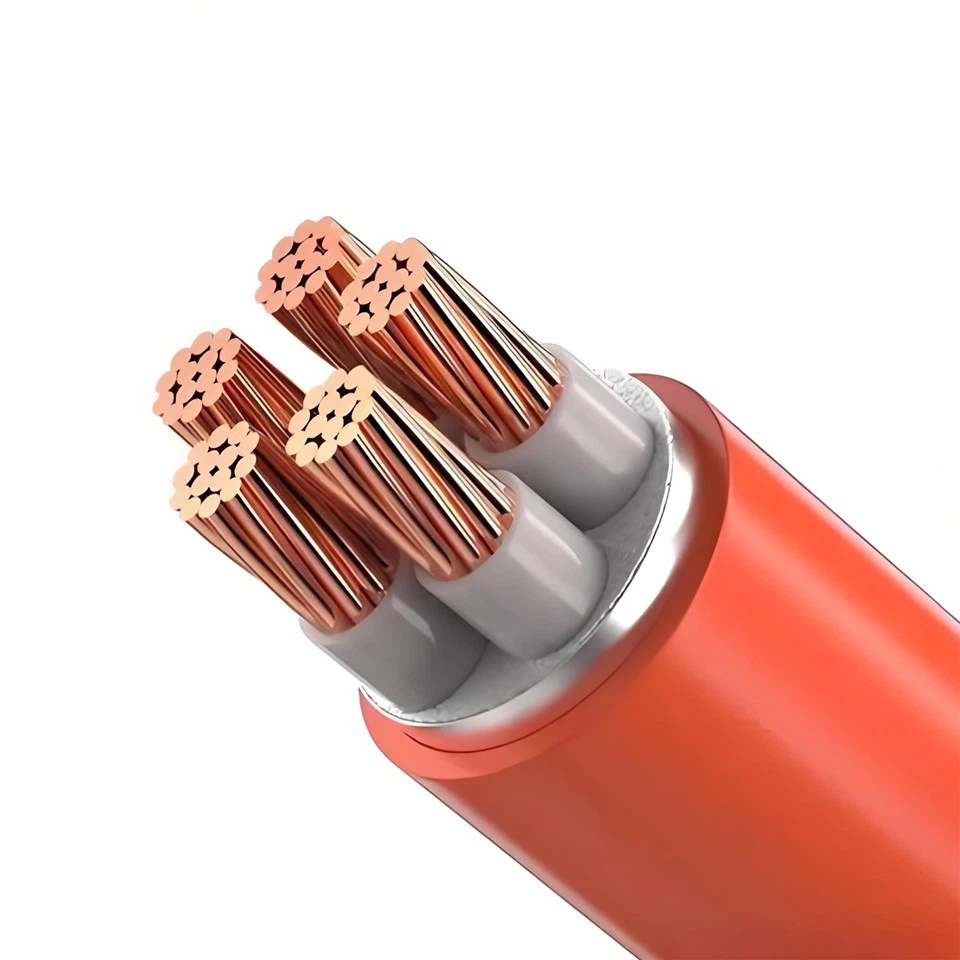
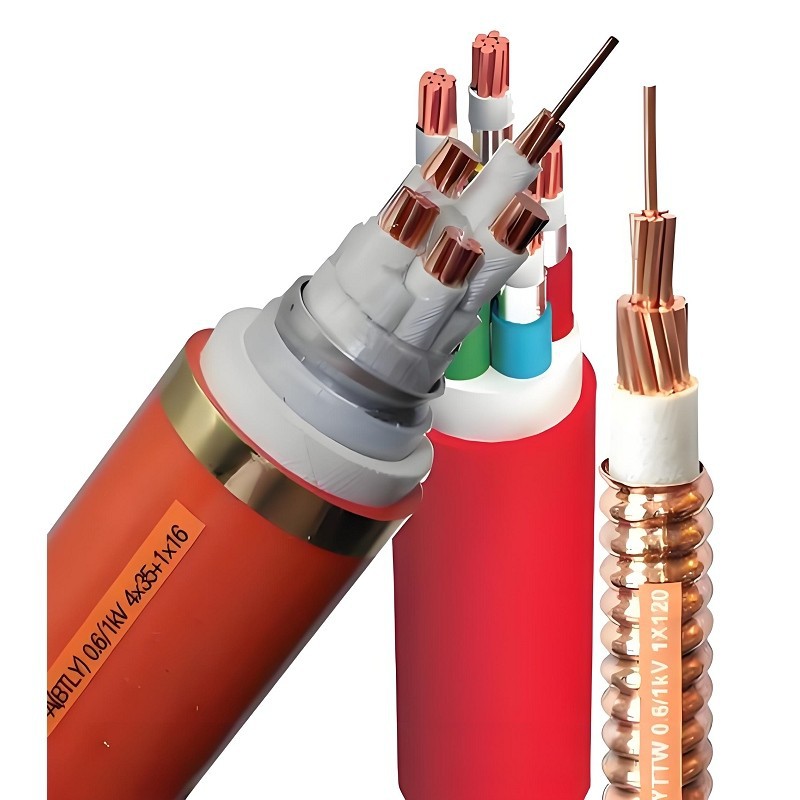
As a low voltage power cable supplier, we take these EMI characteristics very seriously. We design our cables to be as resistant to EMI as possible. One way we do this is by using shielding. Shielding is a layer of conductive material that surrounds the cable. It helps to block the electromagnetic fields from reaching the inner conductors of the cable. There are different types of shielding, such as braided shields and foil shields. Braided shields are more flexible and provide good protection against low-frequency EMI, while foil shields are better at blocking high-frequency EMI.
We also use twisted pair cables. Twisted pair cables have two conductors that are twisted together. This helps to cancel out the electromagnetic fields generated by the current flowing through the conductors. Twisted pair cables are commonly used in telecommunications and data networks, but they can also be used in low voltage power cables to reduce EMI.
In addition to shielding and twisted pair cables, we also pay attention to the quality of the insulation. Good insulation can help to prevent the leakage of electromagnetic fields and reduce the risk of EMI. We use high-quality insulation materials that have good electrical properties and are resistant to heat and chemicals.
Now, let's take a look at some of the specific types of low voltage power cables we offer and how they deal with EMI.
Mining Electrical Cable is designed for use in mining applications. These cables need to be able to withstand harsh environments, including high levels of EMI. We use special shielding and insulation materials in our mining electrical cables to ensure that they can operate reliably in these conditions.
Armoured Control Cable is another type of cable we offer. These cables are used for control and monitoring systems. They are often installed in areas where there is a lot of electrical equipment, which can generate EMI. The armour on these cables provides an extra layer of protection against EMI and physical damage.
Hv Power Cable is designed for high-voltage applications. Although our focus is on low voltage power cables, we also have some experience with high-voltage cables. High-voltage cables can generate a lot of electromagnetic fields, which can interfere with other cables and equipment. We use advanced shielding and insulation techniques in our HV power cables to minimize EMI.
If you're in the market for low voltage power cables, it's important to consider the EMI characteristics. You want to make sure that the cables you choose can provide a stable and reliable power supply, even in the presence of EMI. As a supplier, we're here to help you find the right cables for your needs. We can provide you with detailed information about the EMI characteristics of our cables and help you choose the best solution for your application.
So, if you're interested in learning more about our low voltage power cables or have any questions about EMI, don't hesitate to reach out. We're always happy to have a chat and discuss your requirements. Whether you're a small business or a large industrial company, we can provide you with high-quality cables that can meet your needs.
In conclusion, understanding the electromagnetic interference characteristics of low voltage power cables is crucial for ensuring a stable and efficient power supply. By using the right shielding, insulation, and cable design, we can minimize the effects of EMI and provide reliable cables for a variety of applications. So, if you're looking for a reliable low voltage power cable supplier, give us a shout!
References
- Electromagnetic Compatibility Engineering by Henry W. Ott
- Power Cable Engineering by John J. Burke