

Hey there! As a building wire supplier, I often get asked about how to determine the load capacity of building wire. It's a crucial question, especially when it comes to ensuring the safety and efficiency of electrical systems in buildings. In this blog, I'll share some insights on this topic based on my experience in the industry.
Understanding the Basics
First off, let's talk about what load capacity actually means. The load capacity of a building wire refers to the maximum amount of electrical current that the wire can safely carry without overheating. Overheating can lead to insulation damage, short circuits, and even fires, so it's super important to get this right.
There are several factors that affect the load capacity of a building wire. One of the most significant factors is the wire's gauge. The gauge of a wire is a measure of its diameter, and it's usually expressed in American Wire Gauge (AWG). The lower the AWG number, the thicker the wire, and the higher its load capacity. For example, a 10 AWG wire can carry more current than a 14 AWG wire.
Another factor is the type of insulation on the wire. Different types of insulation have different temperature ratings, which can affect the wire's ability to carry current. For instance, wires with thermoplastic insulation are typically rated for lower temperatures than those with cross-linked polyethylene (XLPE) insulation.
The ambient temperature also plays a role in determining the load capacity of a wire. In hot environments, the wire will heat up more quickly, so its load capacity will be reduced. On the other hand, in cold environments, the wire can carry more current without overheating.
Calculating the Load Capacity
Now that we understand the factors that affect load capacity, let's talk about how to calculate it. The first step is to determine the total electrical load that the wire will need to carry. This includes all the electrical devices and appliances that will be connected to the circuit.
To calculate the total load, you need to know the power rating of each device in watts. You can usually find this information on the device's label or in its user manual. Once you have the power ratings, you can add them up to get the total load in watts.
Next, you need to convert the total load from watts to amperes (amps). You can do this by dividing the total load in watts by the voltage of the circuit. For example, if the total load is 1500 watts and the voltage is 120 volts, the current in amps would be 1500 / 120 = 12.5 amps.
Once you have the current in amps, you can use a wire ampacity chart to determine the appropriate wire gauge. These charts take into account the factors we discussed earlier, such as wire gauge, insulation type, and ambient temperature. You can find wire ampacity charts online or in electrical code books.
Choosing the Right Wire
When choosing a building wire, it's important to select one that has a load capacity that is equal to or greater than the calculated load. It's also a good idea to choose a wire that has a little extra capacity to account for future growth or changes in the electrical system.

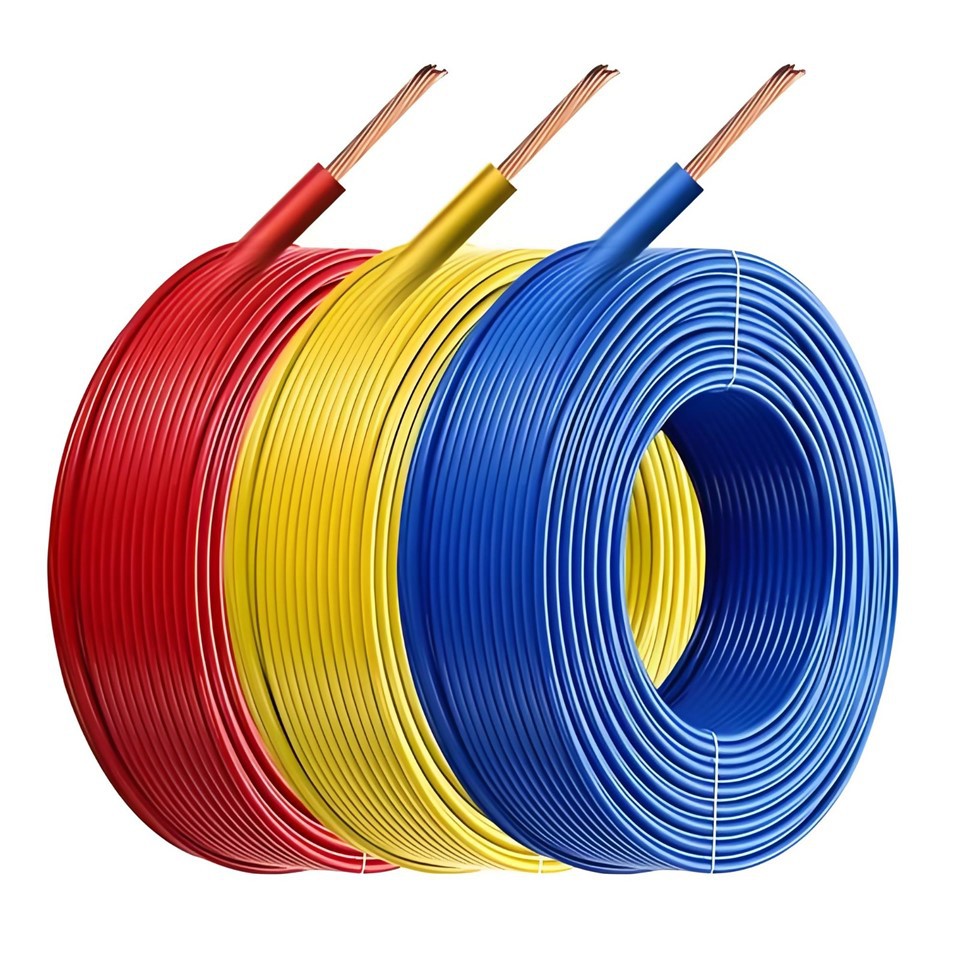
At our company, we offer a wide range of Flexible Building Wire and Commercial Building Wire to meet the needs of different applications. Our wires are made from high-quality materials and are designed to provide reliable performance and safety.
We also offer Commercial Wiring Cable that is suitable for use in commercial and industrial buildings. These cables are available in a variety of sizes and configurations to meet the specific requirements of your project.
Safety Considerations
When working with electrical systems, safety should always be your top priority. Here are some safety tips to keep in mind when determining the load capacity of building wire:
- Follow electrical codes: Make sure you follow all local electrical codes and regulations when installing and using building wire. These codes are designed to ensure the safety of electrical systems and to prevent electrical fires and other hazards.
- Use the right tools: Always use the right tools for the job when working with electrical systems. This includes wire strippers, pliers, and screwdrivers. Using the wrong tools can damage the wire and increase the risk of electrical shock.
- Turn off the power: Before working on any electrical system, make sure you turn off the power at the circuit breaker or fuse box. This will prevent electrical shock and other hazards.
- Inspect the wire: Regularly inspect the building wire for signs of damage or wear. If you notice any damage, such as frayed insulation or exposed wires, replace the wire immediately.
Conclusion
Determining the load capacity of building wire is an important part of ensuring the safety and efficiency of electrical systems in buildings. By understanding the factors that affect load capacity and following the steps outlined in this blog, you can choose the right wire for your application and ensure that your electrical system is safe and reliable.
If you have any questions or need help choosing the right building wire for your project, don't hesitate to contact us. We're here to help you find the best solution for your needs.
References
- National Electrical Code (NEC)
- Electrical Wiring Handbook
- Wire Ampacity Charts