

How long can a screened control cable last?
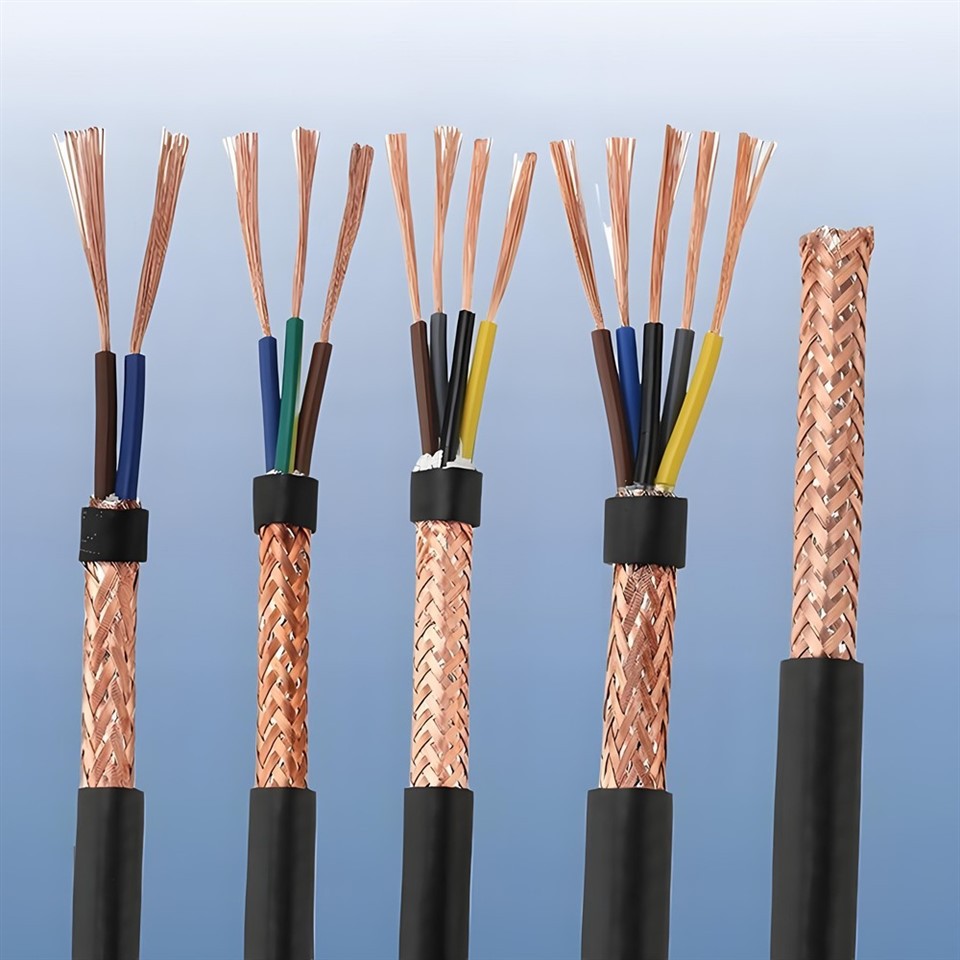
As a supplier of Screened Control Cable, I often get asked about the lifespan of these cables. The durability and longevity of a screened control cable are crucial factors for industries relying on them for efficient and reliable operation. In this blog, I'll delve into the various aspects that determine how long a screened control cable can last.
Factors Affecting the Lifespan of Screened Control Cables
1. Environmental Conditions
The environment in which the cable operates plays a significant role in its lifespan. Extreme temperatures, whether too hot or too cold, can have a detrimental effect on the cable's insulation and sheathing materials. High temperatures can cause the insulation to degrade faster, leading to increased electrical resistance and potential short - circuits. On the other hand, cold temperatures can make the cable's materials brittle, increasing the risk of cracking.
Moisture is another environmental factor. If the cable is exposed to high humidity or submerged in water, it can cause corrosion of the conductors and damage to the insulation. Chemical exposure is also a concern. In industrial settings, cables may come into contact with various chemicals such as acids, alkalis, and solvents. These chemicals can erode the cable's outer sheath and insulation, reducing its lifespan.
2. Installation Quality
Proper installation is essential for the long - term performance of a screened control cable. If the cable is installed incorrectly, it can lead to mechanical stress, which can damage the insulation and conductors over time. For example, if the cable is bent too sharply during installation, it can cause internal damage to the conductors and insulation. Additionally, improper grounding of the cable's shielding can reduce its effectiveness in protecting against electromagnetic interference (EMI) and also affect its lifespan.

3. Electrical Load
The electrical load that the cable is subjected to is a critical factor. If the cable is overloaded, it will generate more heat, which can accelerate the degradation of the insulation. Over time, this can lead to insulation breakdown and ultimately cable failure. It's important to select a cable with the appropriate ampacity for the intended electrical load.
4. Material Quality
The quality of the materials used in the cable construction has a direct impact on its lifespan. High - quality insulation materials, such as cross - linked polyethylene (XLPE) or polyvinyl chloride (PVC), offer better resistance to heat, chemicals, and mechanical stress. The conductors should also be made of high - purity copper or aluminum to ensure low electrical resistance and good conductivity.
For instance, Pvc Control Cable is a popular choice due to its relatively low cost and good insulation properties. However, its lifespan may be shorter compared to cables with more advanced insulation materials in harsh environments.
Average Lifespan of Screened Control Cables
Under normal operating conditions, a well - installed and high - quality screened control cable can last anywhere from 15 to 30 years. In relatively benign environments, such as office buildings or indoor industrial settings with stable temperatures and low humidity, the cable may approach the upper end of this range.
However, in more challenging environments, such as outdoor industrial sites with extreme temperatures, high humidity, and exposure to chemicals, the lifespan may be significantly shorter, perhaps 5 to 10 years.
Extending the Lifespan of Screened Control Cables
1. Regular Inspections
Regular inspections can help detect early signs of damage or wear. Inspect the cable for any visible signs of cracking, abrasion, or corrosion. Check the integrity of the shielding and grounding connections. By identifying and addressing issues early, you can prevent more serious problems from developing and extend the cable's lifespan.
2. Proper Maintenance
Maintaining a clean and dry environment around the cable is important. Remove any debris or contaminants that may accumulate on the cable's surface. If the cable is exposed to chemicals, clean it regularly with appropriate cleaning agents.
3. Upgrading and Replacement
As technology advances and the requirements of your system change, consider upgrading your cables. Newer cables may offer better performance and longer lifespans. Additionally, if a cable shows significant signs of wear or damage, it's advisable to replace it before it fails completely.
Importance of Choosing the Right Screened Control Cable
When it comes to industrial applications, Industrial Control Cable needs to be reliable. Choosing the right screened control cable for your specific application is crucial. Consider the environmental conditions, electrical load, and required performance when selecting a cable.
A high - quality cable may have a higher upfront cost, but it can save you money in the long run by reducing the frequency of replacements and minimizing downtime due to cable failures.
Conclusion
The lifespan of a screened control cable is influenced by a variety of factors, including environmental conditions, installation quality, electrical load, and material quality. By understanding these factors and taking appropriate measures to extend the cable's lifespan, you can ensure reliable operation of your electrical systems.
If you're in the market for screened control cables or need more information about their lifespan and suitability for your application, don't hesitate to reach out. We're here to help you make the right choice for your specific needs.
References
- "Electrical Installation Handbook" by Schneider Electric
- "Cable Engineering and Installation" by various industry experts