

Working with Quadruplex Overhead Wire demands a comprehensive understanding of safety precautions to ensure the well - being of workers and the integrity of the electrical infrastructure. As a supplier of Quadruplex Overhead Wire, I am well - aware of the importance of these safety measures, and I'm here to share some key points with you.
1. Personal Protective Equipment (PPE)
The first line of defense when working with Quadruplex Overhead Wire is the proper use of Personal Protective Equipment. Workers should always wear insulated gloves that are rated for the voltage of the wire they are handling. These gloves act as a barrier between the worker's hands and the electrical current, preventing electric shocks.
Safety helmets are also essential. They protect the head from falling objects, such as tools or debris that may be dislodged during installation or maintenance work. Eye protection, in the form of safety goggles, shields the eyes from dust, small particles, and potential sparks.
In addition to these, flame - resistant clothing should be worn. Quadruplex Overhead Wire can carry high - voltage electricity, and in the event of a short - circuit or electrical arc, the clothing can prevent serious burns to the worker's body.
2. Pre - work Inspection
Before starting any work on Quadruplex Overhead Wire, a thorough pre - work inspection is necessary. First, check the wire itself for any signs of damage, such as cuts, abrasions, or corrosion. Damaged wire can pose a significant safety risk, as it may cause electrical leakage or short - circuits.
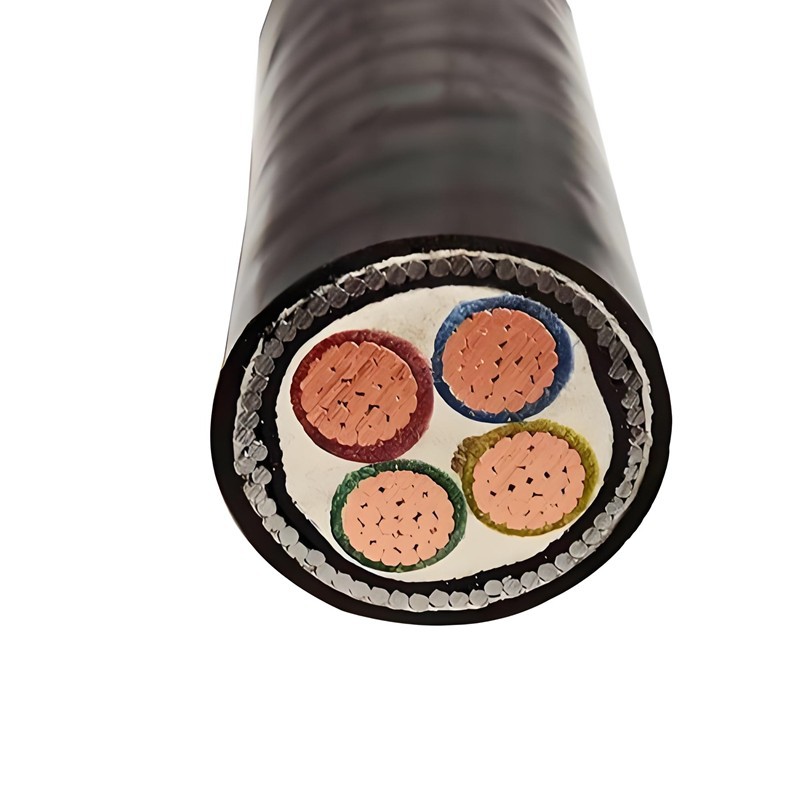
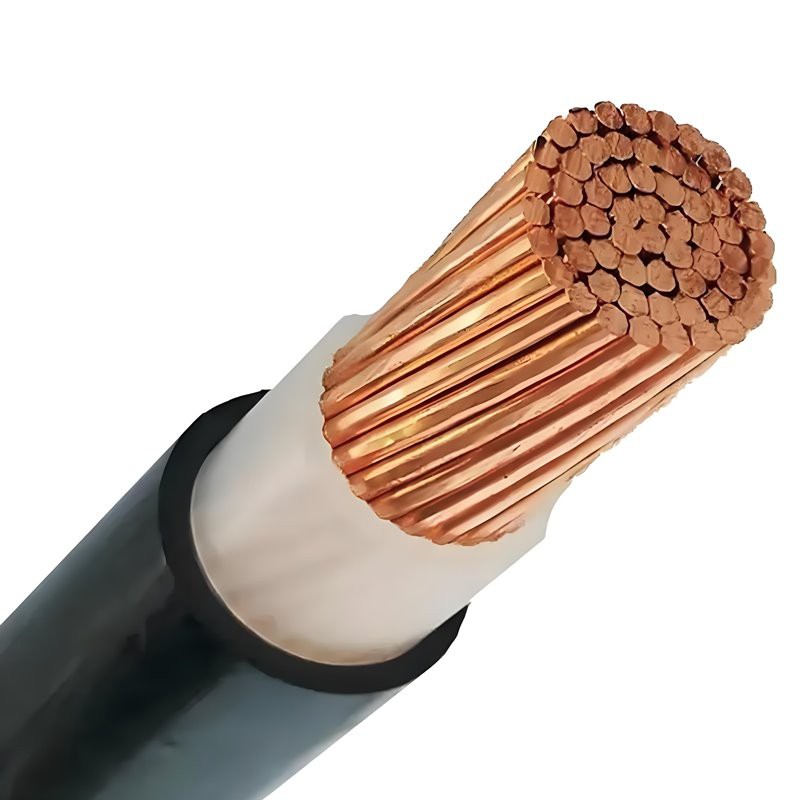
Inspect the support structures, such as poles and cross - arms. Ensure that they are in good condition and can safely hold the weight of the wire. Loose or damaged support structures can lead to the wire sagging or even falling, which can be extremely dangerous.
Verify the grounding system. A proper grounding system is crucial for dissipating electrical energy in case of a fault. Check that the grounding wires are connected securely and that the grounding electrodes have adequate resistance.
3. De - energizing the Wire
Whenever possible, the Quadruplex Overhead Wire should be de - energized before any work is carried out. This can be done by shutting off the power supply at the source. However, it's important to note that de - energizing the wire does not eliminate all risks. There may still be residual electrical charges in the wire or in associated equipment.
Before touching the wire, use a voltage tester to confirm that the wire is indeed de - energized. This simple step can prevent accidental electric shocks. Even after de - energizing, workers should still treat the wire as if it were live and follow all safety procedures.
4. Safe Work Practices
When working on Quadruplex Overhead Wire, it's important to follow safe work practices. For example, use proper tools for the job. Tools should be in good condition and insulated if they are going to come into contact with the wire.
Maintain a safe distance from other energized components. Other overhead wires or electrical equipment in the vicinity can pose a risk of electrical arcing or contact. Workers should be aware of their surroundings and keep a safe distance at all times.
When climbing poles or using ladders, ensure that they are stable and properly secured. Workers should use safety harnesses to prevent falls. Falls from height are one of the most common causes of serious injuries in electrical work.
5. Training and Certification
All workers who handle Quadruplex Overhead Wire should receive proper training. This training should cover electrical safety, the properties of Quadruplex Overhead Wire, and the correct procedures for installation, maintenance, and repair.
Certification programs are available that can help ensure that workers have the necessary skills and knowledge. For example, the Electrical Safety Foundation International offers certification courses for electrical workers. Workers with proper certification are more likely to follow safety procedures correctly and can reduce the risk of accidents.
6. Emergency Preparedness
Even with all the safety precautions in place, emergencies can still occur. Workers should be trained in emergency response procedures. This includes knowing how to perform CPR in case of an electric shock, and how to use fire extinguishers in case of an electrical fire.
An emergency plan should be in place at the work site. The plan should include procedures for evacuating the area, contacting emergency services, and providing first - aid. Regular drills should be conducted to ensure that all workers are familiar with the emergency plan.
7. Environmental Considerations
Working with Quadruplex Overhead Wire also requires consideration of the environment. For example, in areas with high winds or storms, extra precautions should be taken. The wind can cause the wire to sway or even break, so workers should monitor weather conditions and take appropriate action, such as suspending work during severe weather.
In areas with wildlife, such as birds or squirrels, measures should be taken to prevent animals from coming into contact with the wire. This can include installing bird guards or squirrel barriers.
8. Coordination with Other Workers
Often, work on Quadruplex Overhead Wire is part of a larger project that involves multiple workers or teams. It's important to coordinate with other workers to ensure safety. For example, if one team is working on de - energizing the wire, other teams should be informed so that they do not accidentally come into contact with the wire.
Communication is key. Workers should use two - way radios or other communication devices to stay in touch with each other. This can help prevent misunderstandings and ensure that everyone is aware of the work being done and the potential risks.
9. Quality of the Wire
As a Quadruplex Overhead Wire supplier, I stress the importance of using high - quality wire. Low - quality wire may not meet the necessary safety standards and can pose a greater risk of failure. When selecting wire, look for products that are certified by relevant standards organizations, such as the National Electrical Manufacturers Association (NEMA).
We also offer a variety of related products that can enhance safety and performance. For example, Copper Control Cable can be used in conjunction with Quadruplex Overhead Wire for better control and monitoring. Outdoor Aerial Cable is designed to withstand outdoor conditions and can be a great addition to your electrical infrastructure. And Low Voltage Power Cable can be used for specific low - voltage applications.
Contact for Procurement
If you are in need of Quadruplex Overhead Wire or any of our related products, we are here to assist you. Our team of experts can provide you with detailed information about our products, safety features, and how to best use them in your projects. We are committed to providing high - quality products and excellent customer service. Contact us for a procurement discussion and let us help you meet your electrical needs.
References
- Electrical Safety Foundation International. Electrical Safety Standards and Guidelines.
- National Electrical Manufacturers Association (NEMA). Standards for Electrical Wires and Cables.
- Occupational Safety and Health Administration (OSHA). Electrical Safety Regulations.