

Hey there! As a supplier of PVC control cables, I often get asked whether PVC control cables can be used in industrial automation systems. Well, let's dive right into this topic and explore the ins and outs.
First off, let's talk about what PVC control cables are. PVC, or polyvinyl chloride, is a type of plastic that's commonly used for cable insulation and sheathing. PVC control cables are designed to transmit control signals in various electrical and electronic systems. They're known for their flexibility, durability, and relatively low cost, making them a popular choice in many applications.
Now, when it comes to industrial automation systems, these cables have several advantages that make them a viable option. One of the key benefits is their cost - effectiveness. In large - scale industrial automation projects, the cost of cabling can add up quickly. PVC control cables offer a budget - friendly solution without sacrificing too much in terms of performance. This means that you can use a significant amount of cable for a relatively low cost, which is a big plus for companies looking to keep their project expenses in check.
Another advantage is their flexibility. Industrial automation systems often involve complex machinery and moving parts. Flexible cables like PVC control cables can be easily routed around these obstacles, which simplifies the installation process. They can be bent and twisted without breaking or losing their electrical properties, allowing for a more efficient and seamless installation.
PVC control cables also have good resistance to chemicals and moisture. In industrial settings, there are often various chemicals floating around, and the environment can be quite humid. PVC - insulated cables can withstand exposure to many common industrial chemicals and moisture, which helps to ensure that they continue to function properly over time. This resistance to the elements means less downtime for maintenance and replacement, which is crucial for keeping industrial automation processes running smoothly.
However, like any product, PVC control cables also have some limitations when used in industrial automation systems. One of the main concerns is their temperature rating. PVC has a relatively low melting point compared to some other materials used for cable insulation. In high - temperature industrial environments, PVC control cables may degrade over time, leading to a reduction in their performance and potentially causing safety hazards. So, if your industrial automation system operates in an area with high temperatures, you might need to consider other types of cables.
Electromagnetic interference (EMI) can also be an issue. In industrial automation, there are many electrical devices and machinery that generate electromagnetic fields. PVC control cables may not provide the best protection against EMI compared to cables with more specialized shielding. This can lead to signal interference, which can disrupt the normal operation of the automation system.
Despite these limitations, PVC control cables can still be used effectively in many industrial automation applications. For example, in low - temperature and low - EMI environments such as small - scale automated assembly lines or basic control systems for conveyor belts, PVC control cables work just fine. They can reliably transmit the control signals needed to operate these systems without causing any major problems.
When it comes to choosing the right cable for your industrial automation system, it's important to consider your specific requirements. If you're dealing with high - temperature environments or a lot of EMI, you might want to look into Electrical Control Cable. These cables are designed to handle more challenging conditions and offer better protection against various factors.
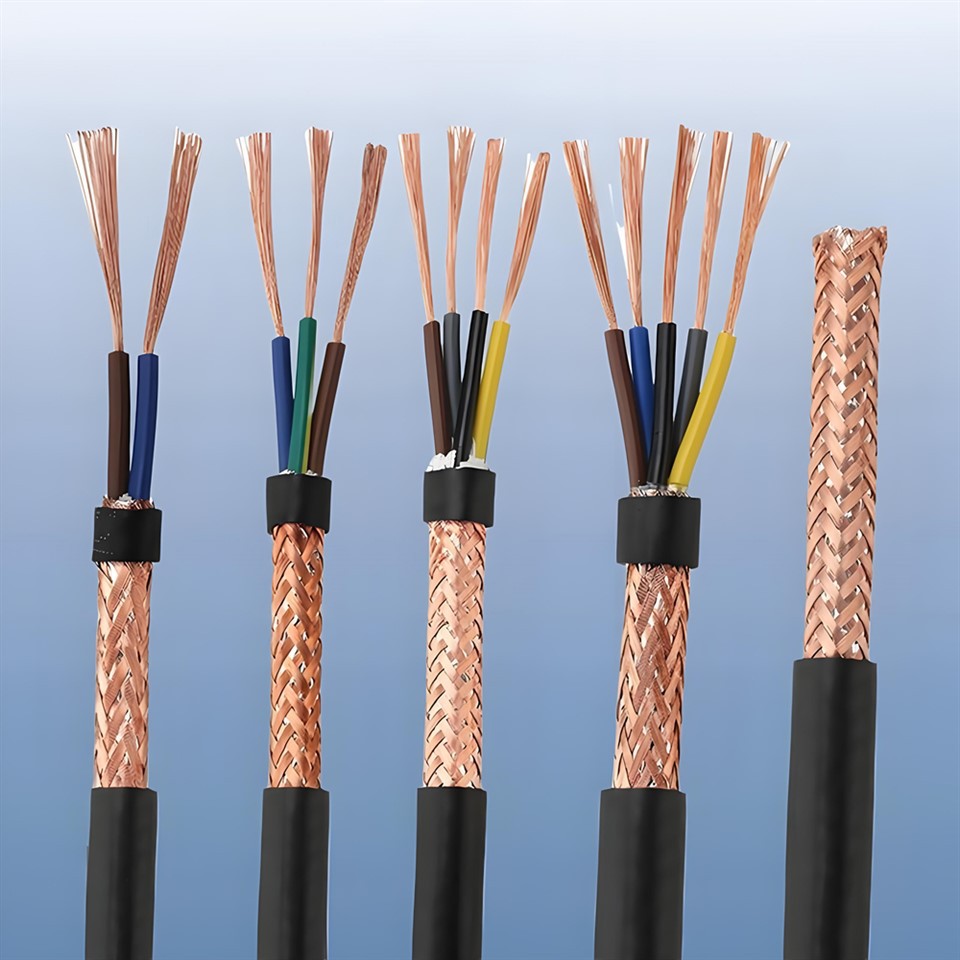
On the other hand, if your project has a tight budget and relatively low environmental demands, PVC control cables could be the way to go. They can still provide reliable performance and help you save money.
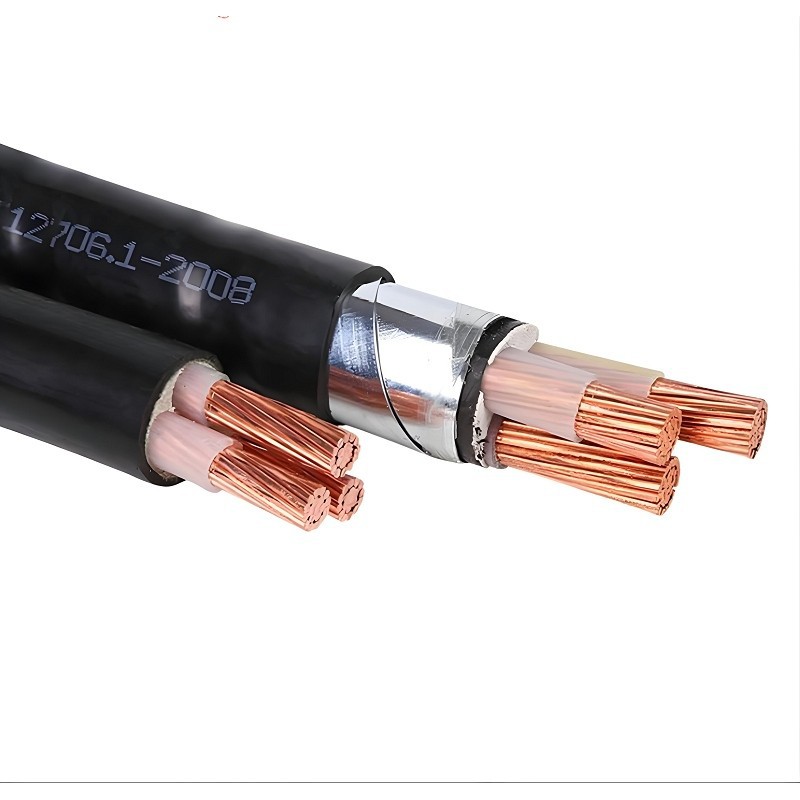
Comparing PVC control cables with other types of cables in the market, we also have Overhead Service Cable and Industrial Power Cable. Overhead service cables are mainly used for outdoor power transmission over long distances and are designed to withstand harsh weather conditions and high mechanical stress. Industrial power cables, as the name suggests, are used for power distribution in industrial settings and need to handle large amounts of electrical current. PVC control cables, in contrast, are focused on signal transmission for control purposes, which means they have different design requirements.
In summary, PVC control cables can indeed be used in industrial automation systems, but it's all about finding the right fit for your specific needs. You need to weigh the advantages of cost - effectiveness, flexibility, and chemical resistance against the potential limitations of temperature sensitivity and EMI susceptibility.
If you're in the process of planning an industrial automation project and are considering using PVC control cables or want to learn more about our cable products, don't hesitate to reach out. We're here to help you make the best decision for your project based on your unique requirements. Whether you need advice on cable selection or want to discuss a possible purchase, feel free to contact us. We're looking forward to working with you to ensure the success of your industrial automation system.
References
- Industry standards and guidelines related to industrial cabling
- Research papers on the performance of PVC in electrical applications
- Previous case studies of PVC control cable use in industrial automation systems