

Yo, what's up! As a cable supplier, I get asked a ton about the difference between CAT6a and CAT6 cables. So, I thought I'd break it down for you in this blog.
Let's start with the basics. Both CAT6a and CAT6 cables are Ethernet cables, which are used to connect devices like computers, routers, and switches to a network. They're part of the Category 6 family, but there are some key differences that can affect your network performance.
Bandwidth
One of the biggest differences between CAT6a and CAT6 cables is their bandwidth. Bandwidth refers to the amount of data that can be transmitted over the cable in a given amount of time. CAT6 cables have a bandwidth of up to 250 MHz, which is pretty good for most home and small - business networks. It can handle things like streaming HD videos, online gaming, and basic file sharing without too much of a problem.
On the other hand, CAT6a cables have a much higher bandwidth of up to 500 MHz. This means they can transmit data at a much faster rate. If you're running a large - scale network, like in a corporate office or a data center, where there's a high demand for data transfer, CAT6a is the way to go. For example, if you're dealing with high - definition video conferencing, large - scale data backups, or high - speed cloud computing, the extra bandwidth of CAT6a can make a huge difference.
Speed
The speed of a cable is closely related to its bandwidth. CAT6 cables can support speeds of up to 10 Gigabits per second (Gbps) over a distance of up to 100 meters. This is fast enough for most home and small - business applications. You can easily stream 4K videos, play online games, and transfer large files within your local network.
CAT6a cables, however, can support 10 Gbps speeds over a distance of up to 100 meters as well, but they also support 40 Gbps speeds over a shorter distance of up to 30 meters. This makes them ideal for high - performance networks where speed is of the essence. If you're setting up a network for a large enterprise or a high - end data center, the speed capabilities of CAT6a can give you a significant edge.
Alien Crosstalk
Alien crosstalk is another important factor to consider. Crosstalk is the interference that occurs when the signals in one cable interfere with the signals in another cable. Alien crosstalk specifically refers to the interference between cables that are bundled together.
CAT6 cables have some protection against crosstalk, but they're not as effective in dealing with alien crosstalk. In a high - density network environment, where there are a lot of cables bundled together, the crosstalk can cause signal degradation and reduce the overall performance of the network.
CAT6a cables, on the other hand, are designed to minimize alien crosstalk. They have better shielding and insulation, which helps to keep the signals in each cable separate and reduces the interference. This makes them a better choice for environments where there are a lot of cables running close to each other, such as in a data center or a large office building.
Cost
Cost is always a factor when choosing a cable. Generally, CAT6a cables are more expensive than CAT6 cables. The higher cost is due to the better materials and construction used in CAT6a cables to achieve the higher bandwidth and better performance.
If you're on a tight budget and your network requirements are relatively basic, CAT6 cables might be the more cost - effective option. You can still get good performance for most home and small - business applications without breaking the bank. However, if you need the high - speed and high - performance capabilities of CAT6a, the extra cost might be worth it in the long run.
Applications
The choice between CAT6 and CAT6a cables also depends on the specific application.
For home networks, CAT6 cables are usually sufficient. Most home users don't need the high - end performance of CAT6a. You can use CAT6 cables to connect your computers, smart TVs, and other devices to your home router, and enjoy fast and reliable internet access.
In a small - business setting, CAT6 cables can also meet the needs of most operations. They can handle tasks like file sharing, email, and basic web browsing. However, if your business is growing and you anticipate an increase in data traffic, such as more employees working remotely or a need for high - speed data transfer, you might want to consider upgrading to CAT6a cables.
For large enterprises and data centers, CAT6a cables are the preferred choice. These environments require high - speed data transfer, low latency, and reliable performance. CAT6a cables can handle the heavy workload and ensure that the network runs smoothly.
Our Offerings
As a cable supplier, we offer both CAT6 and CAT6a cables. We understand that different customers have different needs, and we're here to help you choose the right cable for your network. Whether you're a homeowner looking to set up a basic network or a large corporation in need of high - performance cables, we've got you covered.
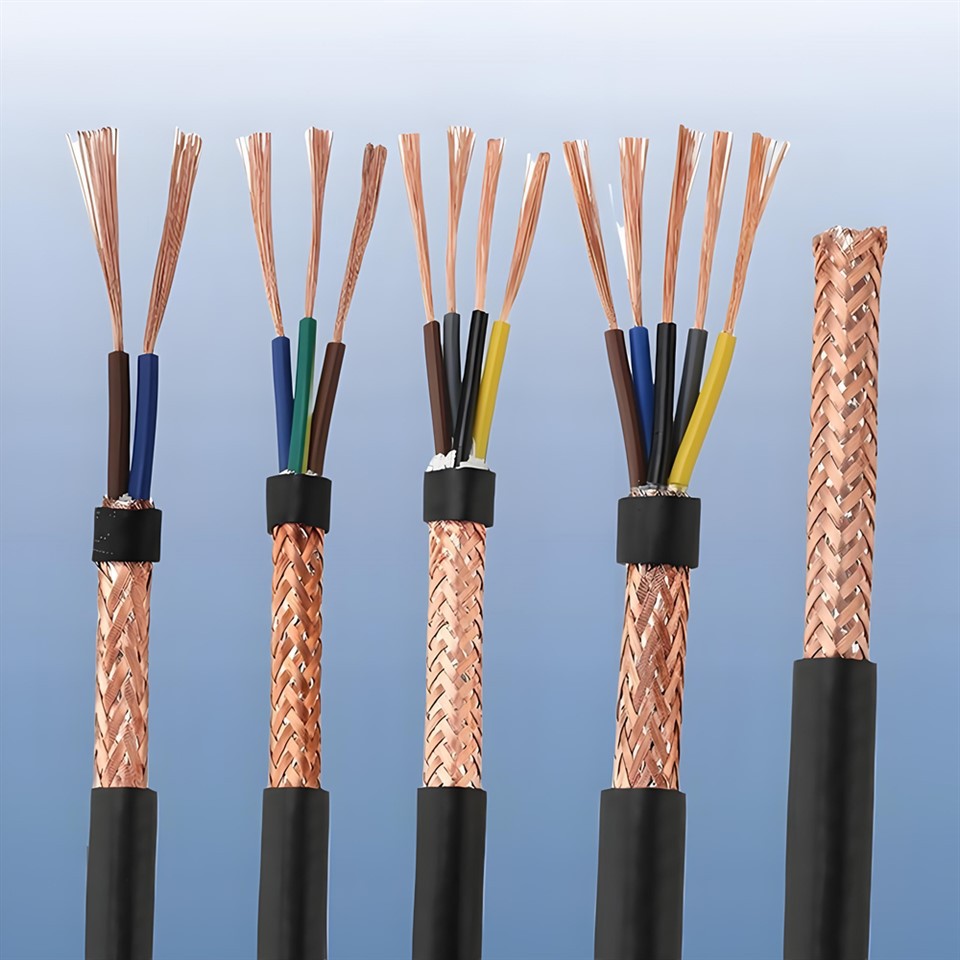
If you're interested in learning more about our products, you can check out our Electrical Control Cable, Industrial Control Cable, and Copper Control Cable offerings. These links will take you to more detailed information about the different types of cables we provide.
Conclusion
In conclusion, the main differences between CAT6a and CAT6 cables lie in their bandwidth, speed, ability to handle alien crosstalk, cost, and applications. CAT6a cables offer higher performance but come at a higher cost, while CAT6 cables are more budget - friendly and suitable for basic network needs.

If you're still not sure which cable is right for you, don't hesitate to reach out. We're always ready to have a chat and help you make the best decision for your network. Whether you're just starting to set up a new network or looking to upgrade an existing one, we can provide you with the right cables and support.
So, if you're in the market for cables, give us a shout. We'll work with you to find the perfect solution for your needs.
References
- Ethernet Cabling Standards: IEEE 802.3
- Network Cabling Best Practices Guides