

Hey there! As a supplier of overhead service cables, I often get asked about the materials used in these cables. So, I thought I'd write a blog post to shed some light on this topic.
First off, let's talk about the conductors. The most common material for conductors in overhead service cables is copper. Copper is an excellent conductor of electricity, which means it can carry a large amount of electrical current with minimal resistance. This results in less energy loss and more efficient power transmission. It's also highly ductile, which allows it to be easily drawn into thin wires.
Another popular choice for conductors is aluminum. Aluminum is lighter and less expensive than copper, making it a cost - effective option for long - distance overhead power lines. However, it has a higher resistance compared to copper, so more of it is needed to carry the same amount of current. But with proper design and installation, aluminum conductors can work very well in overhead service applications.
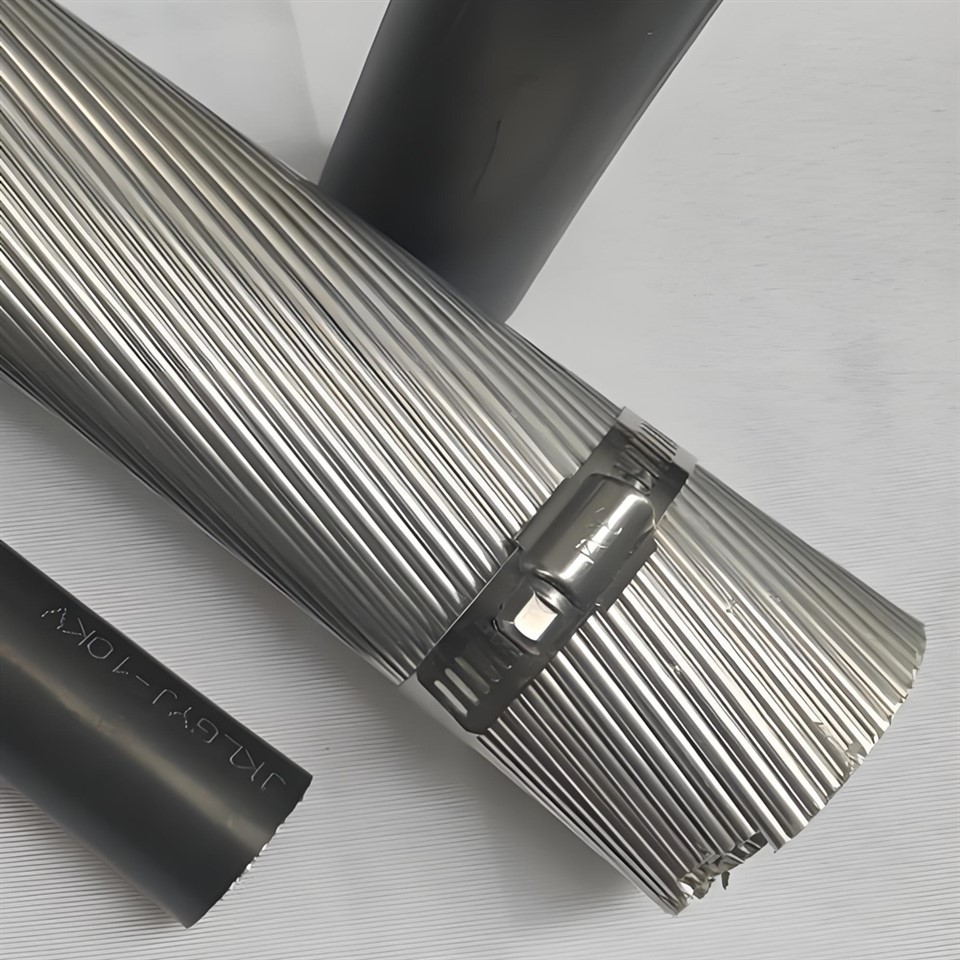
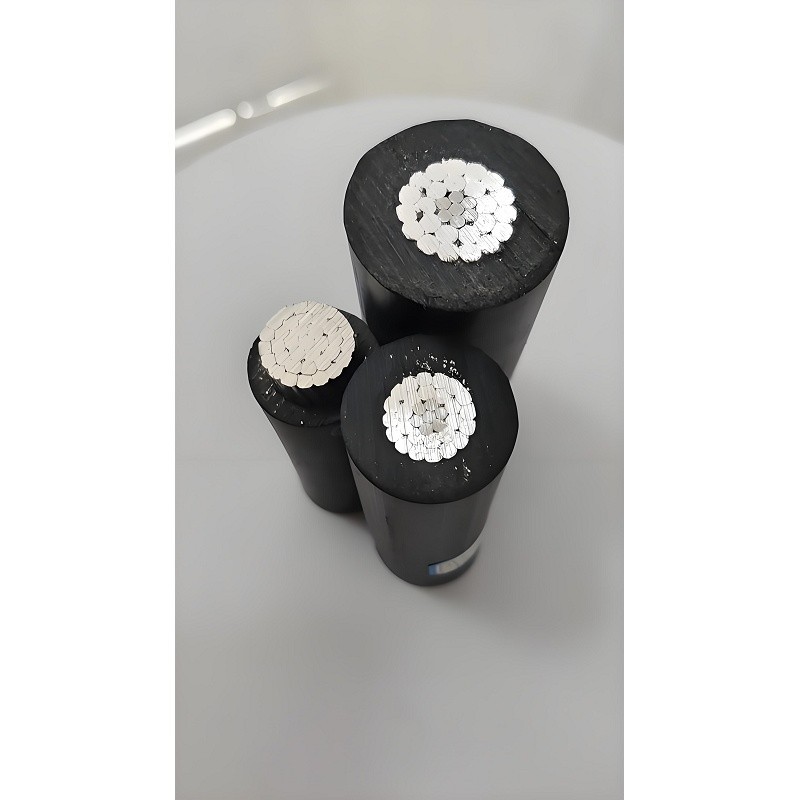
Now, let's move on to the insulation materials. One of the widely used insulation materials is polyethylene. Polyethylene is a thermoplastic polymer that offers good electrical insulation properties. It's resistant to moisture, chemicals, and abrasion, which is crucial for overhead cables that are exposed to the elements. It also has a relatively low dielectric constant, which helps in reducing electrical losses.
PVC (Polyvinyl Chloride) is another common insulation material. It's affordable and has good mechanical properties. PVC can be easily extruded onto the conductors, providing a protective layer. It's also fire - resistant to some extent, which is an important safety feature.
For the outer sheath, materials like cross - linked polyethylene (XLPE) are often used. XLPE has enhanced mechanical and electrical properties compared to regular polyethylene. It can withstand higher temperatures and has better resistance to environmental stress cracking. This makes it ideal for overhead service cables that need to last a long time in harsh outdoor conditions.
In some cases, cables may also have a steel armor layer. The steel armor provides mechanical protection to the cable, preventing it from being damaged by external forces such as rodents, tree branches, or accidental impacts. It also helps in providing additional strength to the cable, especially in areas where the cable may be subject to high tension.
Let's take a look at some specific types of overhead service cables and the materials they use. For example, the Quadruplex Overhead Wire typically uses copper or aluminum conductors. The insulation and sheath materials are chosen based on the specific requirements of the application, such as the voltage level and the environmental conditions.
The Mechanical Control Cable is used for control purposes in overhead systems. It often has a combination of conductors, insulation, and a protective outer layer. The conductors are usually made of copper for better conductivity, and the insulation materials are selected to ensure reliable signal transmission.
The Medium Voltage Power Cable is designed to carry higher voltages. It uses high - quality insulation materials like XLPE to handle the increased electrical stress. The conductors are sized appropriately to carry the required current, and the outer sheath provides protection against environmental factors.
When choosing the materials for overhead service cables, several factors need to be considered. The voltage level is a crucial factor. Higher voltage cables require better insulation materials to prevent electrical breakdown. The environmental conditions, such as temperature, humidity, and exposure to chemicals, also play a significant role. For example, in areas with high humidity, moisture - resistant insulation materials are essential.
The cost is another important consideration. While copper is a great conductor, it's more expensive than aluminum. So, depending on the budget and the specific requirements of the project, the choice of conductor material may vary.
The lifespan of the cable is also a factor. Using high - quality materials can ensure that the cable lasts for a long time, reducing the need for frequent replacements.
If you're in the market for overhead service cables, it's important to understand the materials used and how they affect the performance of the cable. At our company, we offer a wide range of overhead service cables made from high - quality materials. We can help you choose the right cable for your specific needs, whether it's for a small residential project or a large - scale industrial application.
If you're interested in learning more about our products or have any questions about overhead service cables, feel free to reach out to us. We're here to assist you with all your cable needs and can provide you with detailed information about the materials, specifications, and pricing.
We're always happy to have a chat and discuss how we can meet your requirements. Whether you're an electrician, a contractor, or a utility company, we have the expertise and the products to serve you. So, don't hesitate to get in touch and start a conversation about your overhead service cable needs.
References
- Electrical Engineering Handbook, various editions
- Standards and guidelines from relevant electrical industry organizations