

Hey there! As a cable supplier, I often get asked about the differences between various types of cables. One of the most common questions is about the difference between a CAT5e cable and a CAT6 cable. So, let's dive right in and explore the key differences between these two popular network cables.
Basics of CAT5e and CAT6 Cables
First off, let's talk about what these cables are used for. Both CAT5e and CAT6 cables are Ethernet cables, which means they're used to connect devices to a local area network (LAN). They're commonly used in homes, offices, and data centers to transfer data between computers, routers, switches, and other network devices.
CAT5e Cable
CAT5e, which stands for Category 5 enhanced, is an improved version of the original CAT5 cable. It can support data transfer speeds of up to 1 gigabit per second (Gbps) at a maximum frequency of 100 megahertz (MHz). CAT5e cables are often used in home networks and small to medium - sized business networks where high - speed data transfer is required but not to the extreme levels.
CAT6 Cable
On the other hand, CAT6 cable is a more advanced option. It can support data transfer speeds of up to 10 Gbps at a maximum frequency of 250 MHz. This makes it suitable for high - performance networks, such as large corporate offices, data centers, and places where there's a need for a lot of data to be transferred quickly.
Construction Differences
The construction of these two cables also varies, and this has a big impact on their performance.
Twisting
Both cables are made up of four pairs of twisted copper wires. However, the way these wires are twisted is different. CAT6 cables have a tighter twist ratio compared to CAT5e cables. This tighter twist helps to reduce electromagnetic interference (EMI) and crosstalk, which are the main factors that can degrade the quality of the signal being transmitted.
Shielding
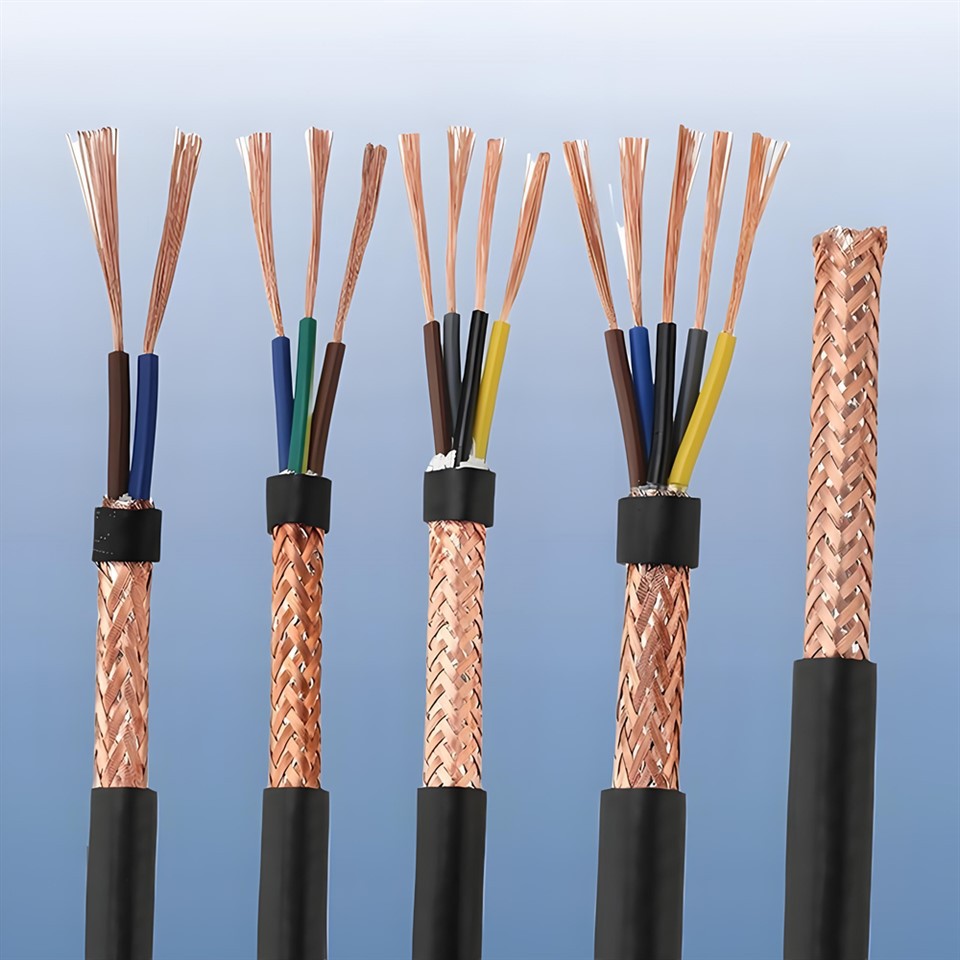
CAT6 cables often come with additional shielding options. There are two main types of shielding: shielded twisted pair (STP) and unshielded twisted pair (UTP). While both CAT5e and CAT6 can be either STP or UTP, CAT6 STP cables are more common. The shielding in CAT6 cables provides even better protection against EMI and crosstalk, which is crucial for maintaining high - speed data transfer.
Performance Differences
The performance differences between CAT5e and CAT6 cables are quite significant, especially when it comes to data transfer speed and bandwidth.
Data Transfer Speed
As mentioned earlier, CAT5e can support speeds of up to 1 Gbps, while CAT6 can support speeds of up to 10 Gbps. This means that if you're working in an environment where you need to transfer large amounts of data quickly, like in a data center or a media production company, a CAT6 cable would be a better choice.
Bandwidth
Bandwidth is another important factor. CAT6 has a higher bandwidth (250 MHz) compared to CAT5e (100 MHz). Higher bandwidth allows for more data to be transferred simultaneously, which is great for applications that require a lot of data, such as video conferencing, online gaming, and large - scale file sharing.
Cost Differences
Cost is always a consideration when choosing a cable. Generally, CAT6 cables are more expensive than CAT5e cables. This is due to their more advanced construction and better performance. However, the price difference isn't huge, especially when you consider the long - term benefits of using a CAT6 cable. If you're on a tight budget and don't need extremely high - speed data transfer, a CAT5e cable might be a more cost - effective option. But if you're building a high - performance network, the extra cost of a CAT6 cable is usually worth it.
Applications
The choice between CAT5e and CAT6 also depends on the specific application.
Home Networks
In a home network, a CAT5e cable is usually sufficient. Most home users don't need speeds of 10 Gbps. They can easily get by with the 1 Gbps speed provided by CAT5e. It's also more affordable, which is a plus for homeowners on a budget.
Business Networks
For businesses, especially those that rely on large - scale data transfer and high - speed connectivity, CAT6 cables are often the better choice. In a corporate office, data needs to be transferred quickly between servers, workstations, and other network devices. CAT6 cables can handle this high - volume data transfer more efficiently.
Outdoor and Specialized Applications
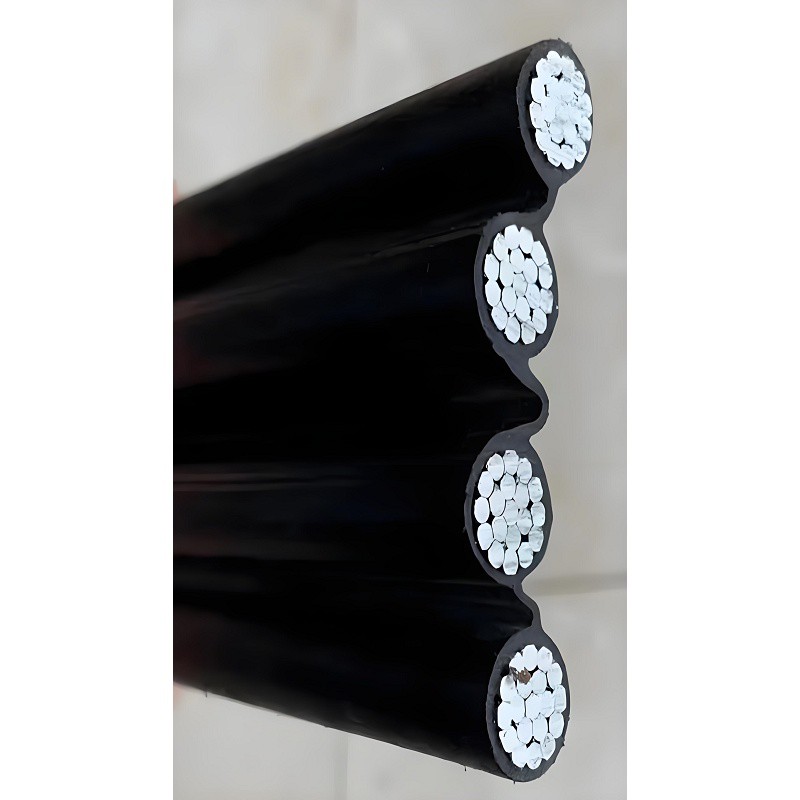
If you're looking for cables for outdoor or specialized applications, you might be interested in Outdoor Aerial Cable. These cables are designed to withstand harsh outdoor conditions and are suitable for long - distance data transfer. For electrical control applications, Electrical Control Cable is a great option. And if you need cables for overhead transmission, Overhead Transmission Cable is what you're looking for.
Making the Right Choice
So, how do you decide whether to use a CAT5e or a CAT6 cable? It really comes down to your specific needs. If you need high - speed data transfer and have the budget for it, go for a CAT6 cable. But if you're on a tight budget and don't need extremely high speeds, a CAT5e cable will do the job just fine.
As a cable supplier, I'm here to help you make the right choice. Whether you're setting up a home network, a small business network, or a large - scale data center, I can provide you with the right cables for your needs. If you're interested in purchasing cables or have any questions about our products, feel free to reach out. We're always happy to assist you in finding the best cable solution for your network.
References
- "Ethernet Cable Standards: CAT5e vs. CAT6." TechTarget.
- "Network Cabling: Understanding CAT5e and CAT6." Cisco.