

As a supplier of Low Voltage Power Cable, I've witnessed firsthand the challenges that many of our customers face when it comes to protecting their cables from rodents and insects. These pests can cause significant damage to the cables, leading to costly repairs and downtime. In this blog, I'll share some effective strategies to safeguard your Low Voltage Power Cables from these nuisances.
Understanding the Threat
Rodents and insects pose different types of threats to Low Voltage Power Cables. Rodents, such as rats and mice, have sharp teeth that can chew through the cable insulation. This not only exposes the conductive wires but also increases the risk of short - circuits and electrical fires. Insects, on the other hand, can bore into the cable sheaths, creating entry points for moisture and other contaminants. This can lead to corrosion of the wires and degradation of the cable's performance over time.
Choosing the Right Cable
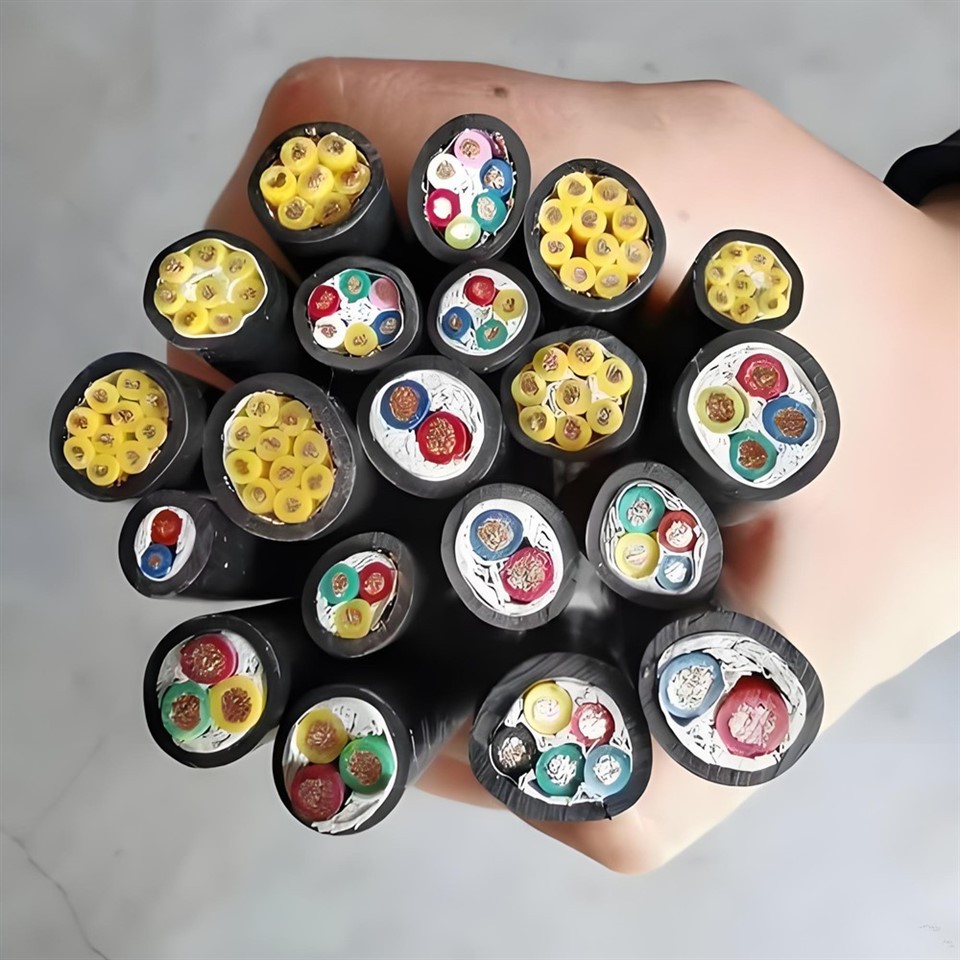
The first step in protecting your cables is to choose the right type. Our Low Voltage Power Cable is designed with features that make it more resistant to rodent and insect damage. For example, some of our cables have a tough outer sheath made of materials like polyethylene or PVC that are less appealing to rodents and insects. Additionally, we offer cables with anti - termite and anti - rodent additives in the insulation and sheath materials. These additives act as a deterrent, making the cable less likely to be attacked.
Physical Barriers
Installing physical barriers is an effective way to keep rodents and insects away from your cables. For outdoor installations, you can use cable trays or conduits. These enclosures not only protect the cables from physical damage but also act as a barrier against pests. Make sure the trays and conduits are properly sealed to prevent rodents and insects from entering.
In indoor settings, you can use cable sleeves or wraps. These are made of materials like nylon or fiberglass and can be easily installed over the cables. They provide an extra layer of protection and can prevent rodents from reaching the cable insulation.
Chemical Deterrents
There are various chemical deterrents available in the market that can be used to protect your cables. Rodent repellents, for example, can be sprayed on the cables or applied to the surrounding areas. These repellents usually contain substances that are unpleasant to rodents, such as capsaicin or ammonia.
Insecticides can also be used to control insect infestations. However, it's important to choose insecticides that are safe for use around electrical cables. Some insecticides may contain chemicals that can damage the cable insulation, so it's crucial to read the labels carefully and follow the manufacturer's instructions.
Regular Inspections
Regular inspections are essential to detect any signs of rodent or insect damage early. Inspect the cables for chew marks, holes, or signs of insect activity. Check the cable trays, conduits, and other enclosures for any signs of entry points. If you notice any damage, take immediate action to repair or replace the affected cables.
It's also a good idea to keep records of your inspections. This can help you track the condition of your cables over time and identify any recurring problems.

Environmental Management
Managing the environment around your cables can also help prevent rodent and insect infestations. Keep the areas around the cables clean and free of debris. Rodents and insects are attracted to food sources and hiding places, so removing these can make the area less appealing to them.
Trim any vegetation near the cables, as overgrown plants can provide hiding places for pests. Additionally, make sure there are no water sources nearby, as insects are attracted to moisture.
Specialized Cables for High - Risk Areas
In areas with a high risk of rodent and insect damage, such as industrial facilities or areas with a large rodent population, you may want to consider using specialized cables. Our Industrial Control Cable and Copper Control Cable are designed to withstand harsh environments and are more resistant to pest damage. These cables often have thicker insulation and stronger sheaths, providing an extra layer of protection.
Training and Awareness
Educating your staff about the importance of protecting cables from rodents and insects is crucial. Provide training on how to identify signs of damage, how to use physical barriers and chemical deterrents, and how to conduct regular inspections. By raising awareness, you can ensure that everyone in your organization is taking the necessary steps to protect your cables.
Conclusion
Protecting Low Voltage Power Cables from rodents and insects is a multi - faceted approach that requires careful planning and implementation. By choosing the right cables, installing physical barriers, using chemical deterrents, conducting regular inspections, managing the environment, and raising awareness, you can significantly reduce the risk of cable damage.
If you're interested in learning more about our Low Voltage Power Cables or need advice on protecting your cables from pests, we're here to help. Contact us to discuss your specific requirements and start a procurement discussion. Our team of experts can provide you with the best solutions to meet your needs.
References
- "Electrical Cable Installation Handbook"
- "Rodent and Insect Control in Electrical Systems"
- Manufacturer's guidelines for cable protection products