

Hey there! As an industrial control cable supplier, I often get asked about the fire-resistant properties of our cables. In this blog, I'll share some insights into what makes industrial control cables fire-resistant and why it's crucial for various applications.
Understanding Fire-Resistant Properties
Fire-resistant cables are designed to maintain their functionality during a fire. This means they can continue to transmit power and signals even when exposed to high temperatures and flames. The key to their fire resistance lies in the materials used and the cable's construction.
One of the most common materials used in fire-resistant cables is a special type of insulation. This insulation is made from materials that have a high melting point and can withstand extreme heat without breaking down. For example, some cables use mica tape, which is highly resistant to fire and can maintain its integrity at temperatures up to 1000°C.
Another important factor in fire resistance is the cable's jacket. The jacket acts as a protective layer, preventing the spread of fire and protecting the internal conductors. Fire-resistant jackets are typically made from materials such as PVC (polyvinyl chloride) or LSZH (low smoke zero halogen) compounds. LSZH jackets are particularly popular because they produce less smoke and toxic gases when burned, which is crucial for the safety of people in the vicinity of a fire.
Why Fire Resistance Matters
In industrial settings, fire can have catastrophic consequences. It can lead to equipment damage, production downtime, and even endanger the lives of workers. That's why fire-resistant cables are essential in many applications, including power generation, manufacturing, and transportation.
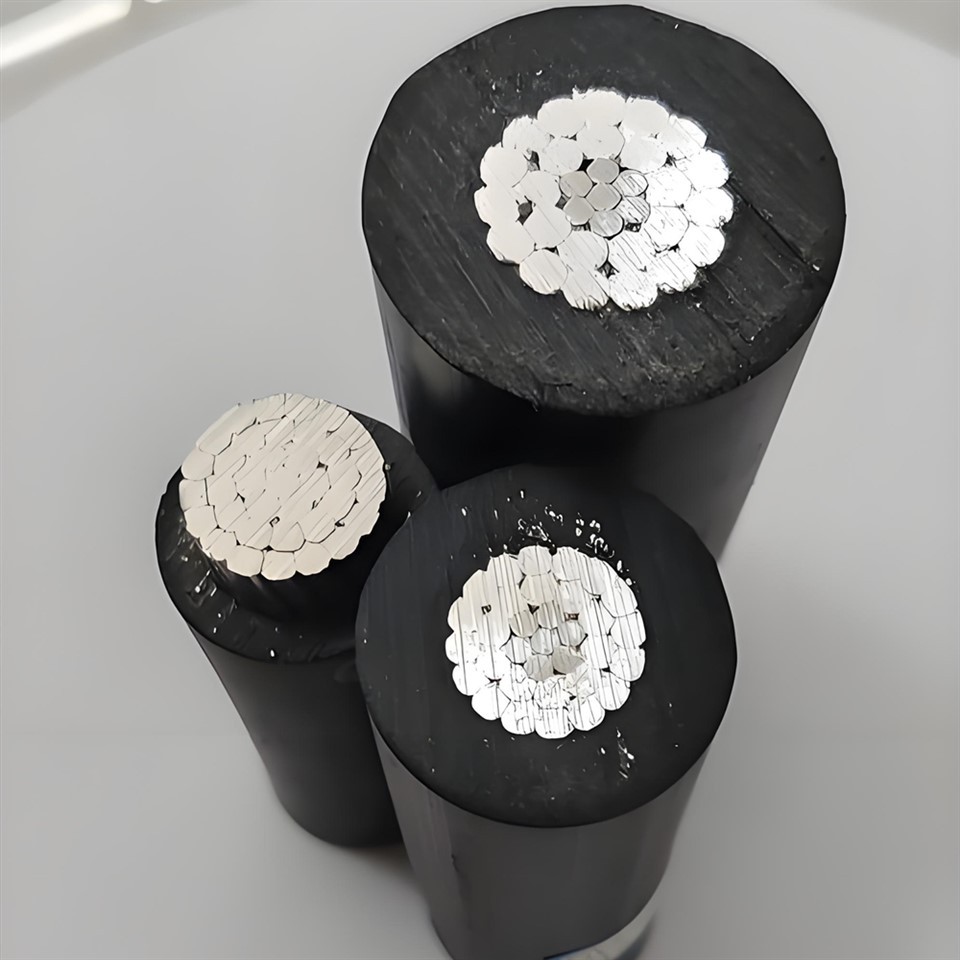
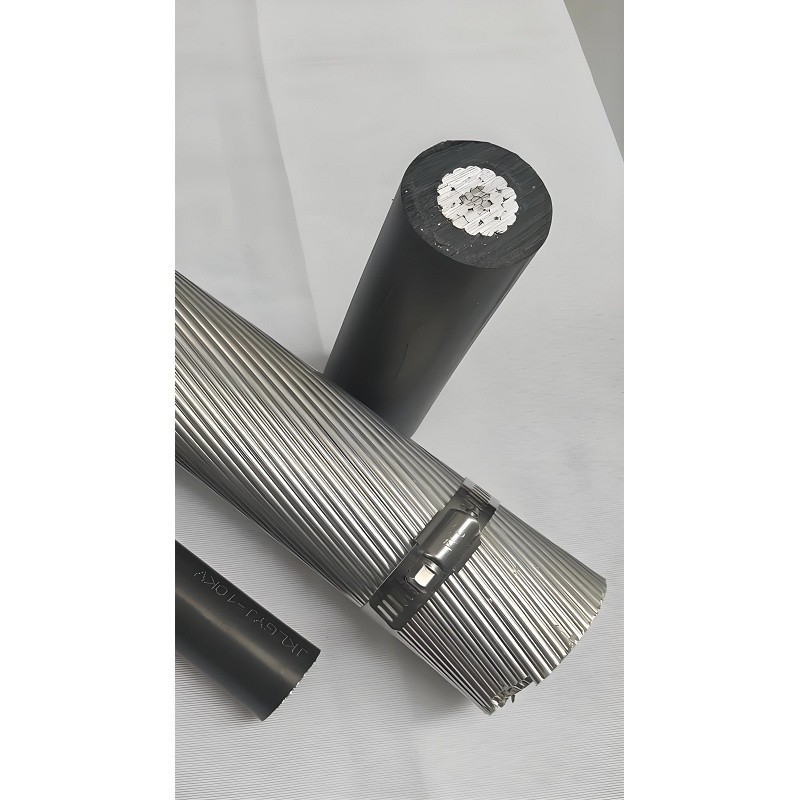
For example, in a power plant, fire-resistant cables are used to connect critical equipment such as generators, transformers, and control panels. These cables need to be able to withstand high temperatures and flames to ensure the continued operation of the plant during a fire. Without fire-resistant cables, a fire could quickly spread and cause a complete shutdown of the power plant, leading to significant economic losses.
In manufacturing facilities, fire-resistant cables are used to power machinery and control systems. If a fire breaks out, these cables need to be able to maintain their functionality to prevent the spread of the fire and protect the equipment. This can help minimize downtime and reduce the cost of repairs.
In transportation, fire-resistant cables are used in trains, ships, and airplanes. These cables need to be able to withstand the high temperatures and flames that can occur in the event of a fire. By using fire-resistant cables, the risk of fire-related accidents can be significantly reduced, ensuring the safety of passengers and crew.
Types of Fire-Resistant Industrial Control Cables
There are several types of fire-resistant industrial control cables available on the market. Each type has its own unique properties and is suitable for different applications. Here are some of the most common types:
1. Mineral Insulated Cables (MIC)
Mineral insulated cables are made of a copper conductor surrounded by a layer of magnesium oxide insulation. This insulation is highly fire-resistant and can withstand temperatures up to 1000°C. MIC cables are commonly used in high-temperature applications such as furnaces, ovens, and boilers.
2. Fire-Resistant PVC Cables
Fire-resistant PVC cables are made of a PVC jacket and a copper conductor. The PVC jacket is treated with fire-retardant additives to make it fire-resistant. These cables are commonly used in general industrial applications where fire resistance is required.
3. LSZH Cables
LSZH cables are made of a low smoke zero halogen jacket and a copper conductor. The LSZH jacket produces less smoke and toxic gases when burned, making it a safer option in enclosed spaces. These cables are commonly used in buildings, hospitals, and other public areas.
Choosing the Right Fire-Resistant Cable
When choosing a fire-resistant cable for your application, there are several factors to consider. Here are some of the most important ones:
1. Temperature Rating
The temperature rating of a cable indicates the maximum temperature it can withstand without losing its fire-resistant properties. Make sure to choose a cable with a temperature rating that is suitable for your application.
2. Fire Rating
The fire rating of a cable indicates its ability to withstand fire. There are several fire ratings available, including UL (Underwriters Laboratories) ratings and IEC (International Electrotechnical Commission) ratings. Make sure to choose a cable with a fire rating that meets the requirements of your application.
3. Application
The application of the cable will also determine the type of fire-resistant cable you need. For example, if you are using the cable in a high-temperature environment, you may need a cable with a higher temperature rating. If you are using the cable in an enclosed space, you may need a cable with a low smoke zero halogen jacket.
Conclusion
Fire-resistant industrial control cables are essential for ensuring the safety and reliability of industrial applications. By understanding the fire-resistant properties of these cables and choosing the right one for your application, you can minimize the risk of fire-related accidents and protect your equipment and personnel.
If you're interested in learning more about our fire-resistant industrial control cables, or if you have any questions about choosing the right cable for your application, please don't hesitate to [contact us for a purchase discussion]. We're here to help you find the best solution for your needs.
References
- Electrical Control Cable: /cable/electrical-control-cable.html
- Overhead Transmission Cable: /cable/overhead-transmission-cable.html
- Aluminum Service Drop Cable: /cable/aluminum-service-drop-cable.html