

What are the fire - resistant properties of commercial building wire?
As a supplier of commercial building wire, I've witnessed firsthand the critical role that fire - resistant properties play in ensuring the safety and reliability of commercial structures. In this blog, I'll delve into the fire - resistant characteristics of commercial building wire, exploring why they are essential and how they contribute to the overall safety of a building.

The Importance of Fire - Resistant Properties
Fire is one of the most significant threats to commercial buildings. A single fire can cause extensive damage to property, disrupt business operations, and, most importantly, endanger the lives of occupants. Commercial building wire that has excellent fire - resistant properties can act as a crucial line of defense against the spread of fire.
When a fire breaks out, electrical wiring can become a conduit for the fire to spread throughout the building. If the wire is not fire - resistant, it can melt, short - circuit, and create additional fire hazards. Fire - resistant wire, on the other hand, is designed to withstand high temperatures for a certain period, preventing the spread of fire and maintaining electrical integrity. This allows for a safe evacuation of the building and gives firefighters more time to control the blaze.
Key Fire - Resistant Properties
1. Flame Retardancy
Flame - retardant materials are used in the insulation of commercial building wire to prevent the wire from catching fire easily. These materials are formulated to self - extinguish when the source of ignition is removed. For example, many modern wires use halogen - free flame - retardant (HFFR) insulation. HFFR materials not only reduce the risk of fire but also produce less toxic smoke compared to traditional halogen - based materials. When a fire occurs, the reduced smoke production is crucial as it improves visibility for evacuation and reduces the inhalation of harmful fumes by occupants.
2. High - Temperature Resistance
Commercial building wire needs to be able to withstand high temperatures without losing its structural integrity. Fire - resistant wires are often made with materials that have a high melting point. For instance, some wires use ceramic - based insulation, which can withstand extremely high temperatures. This property ensures that the wire can continue to function during a fire, providing power for emergency systems such as fire alarms, emergency lighting, and sprinkler systems.
3. Low Smoke Emission
In a fire, smoke can be just as dangerous as the flames themselves. Smoke can reduce visibility, making it difficult for occupants to find their way out of the building, and can also contain toxic gases. Fire - resistant commercial building wire is designed to emit low levels of smoke when exposed to fire. This helps to maintain a clear path for evacuation and reduces the risk of asphyxiation.
Types of Fire - Resistant Commercial Building Wire
1. Mineral Insulated Cable (MIC)
Mineral insulated cable is a type of fire - resistant wire that consists of a copper conductor surrounded by a magnesium oxide insulation and a copper sheath. MIC has excellent fire - resistant properties, as it can withstand high temperatures for an extended period. It is often used in critical applications such as emergency lighting, fire alarms, and elevator circuits. The copper sheath provides mechanical protection, and the magnesium oxide insulation is non - combustible and has high thermal conductivity, allowing it to dissipate heat effectively.
2. Fire - Resistant PVC Insulated Wire
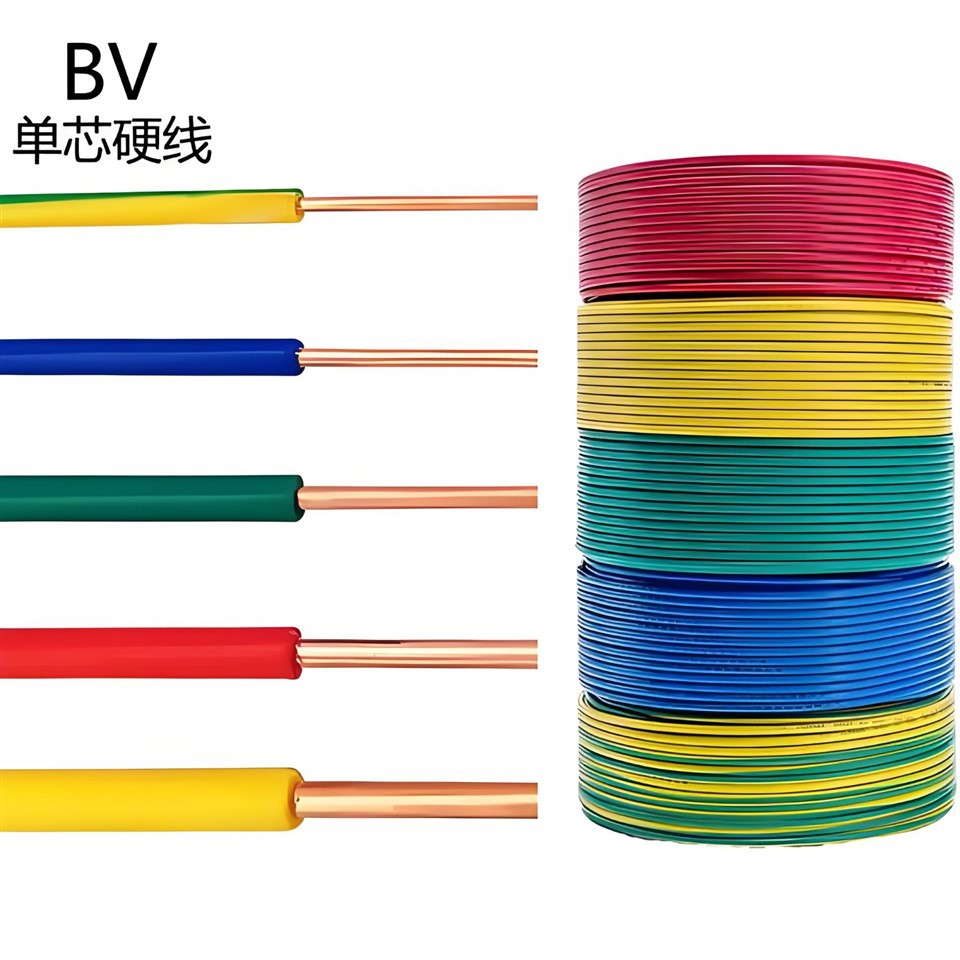
Pvc Insulated Flexible Wire can also be made fire - resistant. Special additives are incorporated into the PVC insulation to enhance its fire - retardant properties. These wires are commonly used in general electrical installations in commercial buildings. They offer a good balance between cost and fire - resistance, making them a popular choice for many applications.
Standards and Certifications
To ensure the fire - resistant properties of commercial building wire, various standards and certifications have been established. For example, in the United States, the National Electrical Code (NEC) sets requirements for the installation of fire - resistant wiring. Wires that meet the NEC standards are tested to ensure they can withstand fire and maintain electrical integrity for a specified period.
In addition, international standards such as the IEC 60331 series also provide guidelines for the fire - resistance testing of electrical cables. Wires that are certified to meet these standards have been rigorously tested and are considered reliable for use in commercial buildings.
Applications in Commercial Buildings
Fire - resistant commercial building wire is used in a wide range of applications in commercial buildings. In addition to the emergency systems mentioned earlier, it is also used in areas where there is a high risk of fire, such as kitchens, boiler rooms, and electrical substations.
In kitchens, where there is a constant presence of heat and flammable materials, fire - resistant wire can prevent electrical fires from starting and spreading. In boiler rooms, the high - temperature environment requires wire that can withstand extreme heat without deteriorating. Electrical substations, which house critical electrical equipment, also rely on fire - resistant wire to ensure the safe operation of the power supply.
Choosing the Right Fire - Resistant Wire
When choosing fire - resistant commercial building wire, several factors need to be considered. First, the specific requirements of the application should be taken into account. For example, if the wire is to be used in an area with a high risk of fire, a wire with a higher level of fire - resistance may be required.
Second, the cost of the wire should be balanced against its fire - resistant properties. While high - performance fire - resistant wires may be more expensive, they can provide greater protection and peace of mind.
Finally, it is important to choose wire that is certified to meet relevant standards. This ensures that the wire has been tested and meets the necessary safety requirements.
Conclusion
The fire - resistant properties of commercial building wire are of utmost importance in ensuring the safety of commercial buildings. Flame retardancy, high - temperature resistance, and low smoke emission are key characteristics that contribute to the wire's ability to prevent the spread of fire and maintain electrical integrity during a fire.
As a supplier of commercial building wire, I am committed to providing high - quality fire - resistant wire that meets the needs of our customers. Whether you are building a new commercial structure or renovating an existing one, choosing the right fire - resistant wire is crucial for the safety and functionality of your building.
If you are interested in learning more about our Commercial Wiring Cable or House Cable Wiring, or if you have any questions about fire - resistant properties, please feel free to contact us for a detailed discussion and procurement negotiation.
References
- National Fire Protection Association. National Electrical Code (NEC).
- International Electrotechnical Commission (IEC). IEC 60331 series.