

As a multi - core control cable supplier, I've witnessed firsthand how environmental factors can significantly impact the performance and lifespan of these cables. In this blog, I'll delve into the various environmental elements that can affect multi - core control cables and how we, as a supplier, can help mitigate these effects.
Temperature
Temperature is one of the most critical environmental factors influencing multi - core control cables. Extreme temperatures, whether hot or cold, can have detrimental effects on the cable's insulation and conductors.
High Temperatures
When exposed to high temperatures, the insulation material of the cable can degrade. Most cable insulation materials are polymers, and high heat can cause them to soften, lose their mechanical strength, and even melt in extreme cases. This can lead to short - circuits, as the insulation is no longer able to prevent the flow of electricity between conductors. For example, in industrial settings where machinery generates a lot of heat, multi - core control cables need to be able to withstand high temperatures. We offer cables with high - temperature - resistant insulation materials, such as silicone rubber, which can maintain their integrity even at elevated temperatures.
Low Temperatures
On the other hand, low temperatures can make the insulation material brittle. When the insulation becomes brittle, it is more prone to cracking. Cracks in the insulation expose the conductors, increasing the risk of electrical leakage and short - circuits. In cold climates, such as in northern regions or refrigeration facilities, it's essential to use cables with insulation materials that remain flexible at low temperatures. Our cables are designed to perform well in cold environments, with insulation materials that can withstand freezing temperatures without losing their flexibility.
Humidity and Moisture
Humidity and moisture can also have a profound impact on multi - core control cables. Moisture can penetrate the cable insulation, leading to corrosion of the conductors and degradation of the insulation material.
Corrosion
When moisture comes into contact with the metal conductors in the cable, it can cause corrosion. Corrosion increases the resistance of the conductors, which can lead to power losses and overheating. Over time, the corroded conductors may break, resulting in a complete loss of electrical connectivity. To prevent corrosion, we use conductors made of high - quality materials, such as Copper Control Cable, which are more resistant to corrosion. Additionally, we offer cables with moisture - resistant insulation and protective sheaths to prevent moisture from reaching the conductors.
Insulation Degradation
Moisture can also degrade the insulation material. Water can break down the chemical bonds in the insulation, reducing its dielectric strength. This can lead to electrical breakdown and short - circuits. In areas with high humidity, such as coastal regions or indoor environments with poor ventilation, it's crucial to use cables with proper moisture protection. Our cables are designed with moisture - resistant insulation and sheaths to ensure long - term performance in humid conditions.
Chemical Exposure
Multi - core control cables may be exposed to various chemicals in industrial, commercial, and even residential settings. Chemicals can react with the cable insulation and conductors, causing damage.
Acidic and Alkaline Substances
Acidic and alkaline substances can corrode the conductors and degrade the insulation. For example, in chemical plants or laboratories, cables may be exposed to strong acids or alkalis. These substances can eat away at the insulation and conductors, leading to electrical failures. We offer cables with chemical - resistant insulation materials, such as fluoropolymers, which can withstand exposure to a wide range of chemicals.
Oils and Solvents
Oils and solvents can also affect the cable insulation. They can dissolve or swell the insulation material, reducing its mechanical strength and electrical properties. In industrial settings where machinery uses lubricating oils or solvents, it's important to use cables that are resistant to these substances. Our cables are tested for resistance to oils and solvents to ensure reliable performance in such environments.
UV Radiation
UV radiation from the sun can cause damage to the cable insulation. Over time, UV radiation can break down the chemical bonds in the insulation material, making it brittle and prone to cracking.
Outdoor Applications
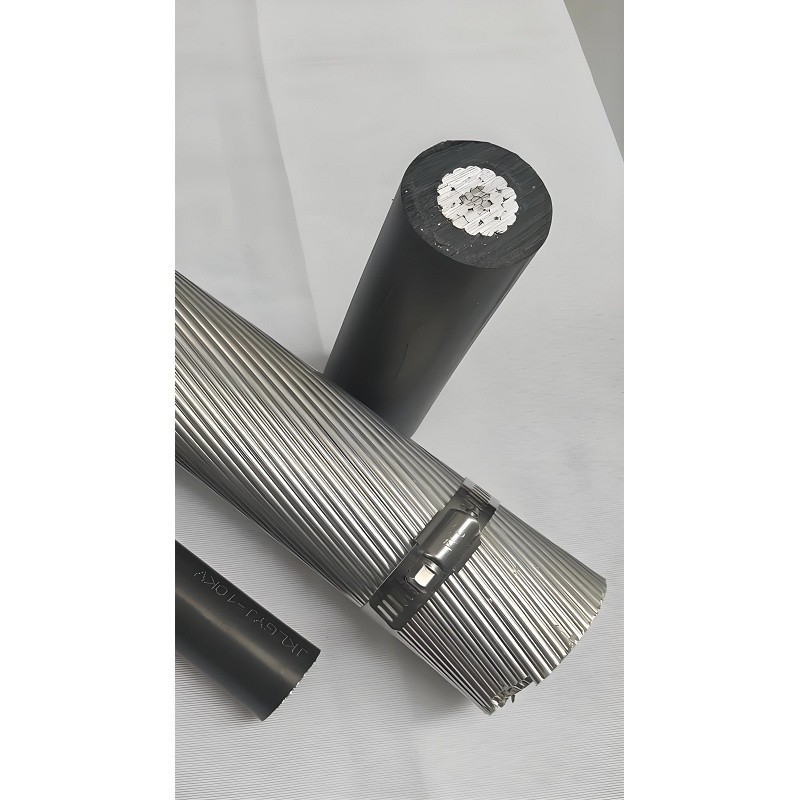
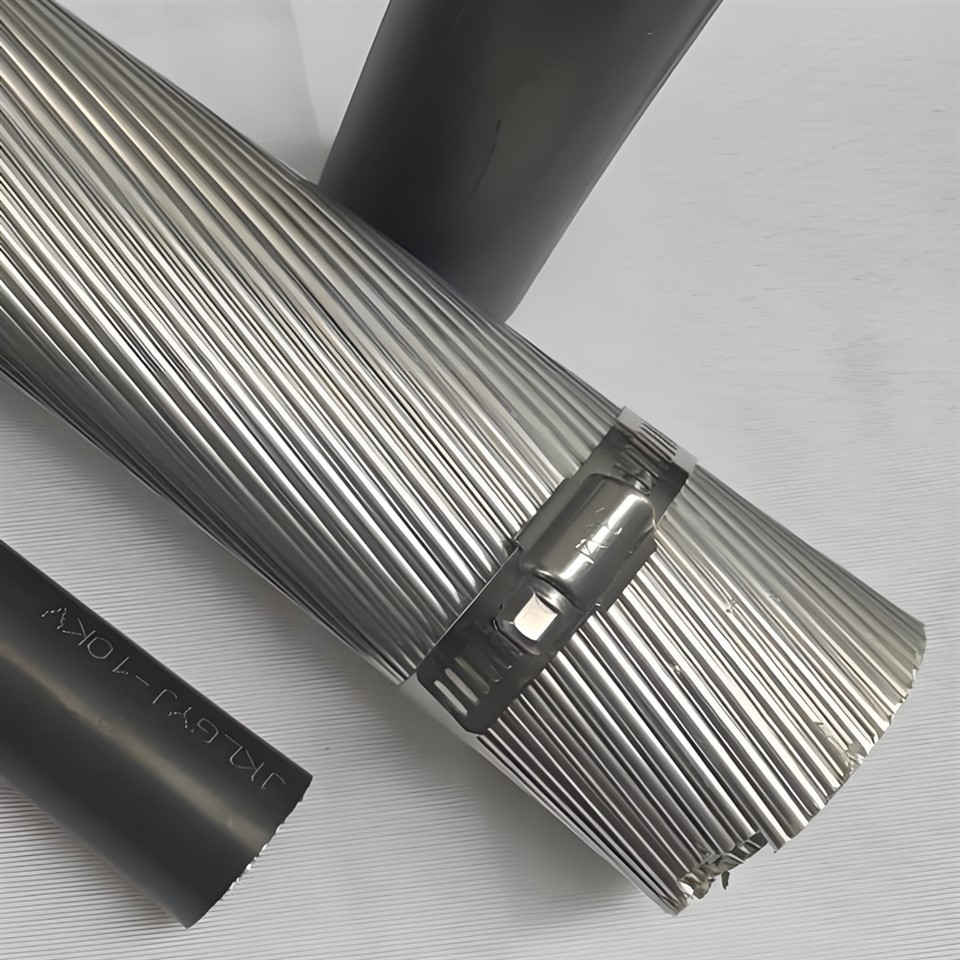
In outdoor applications, such as Overhead Transmission Cable installations, cables are exposed to direct sunlight. This can lead to premature aging of the insulation. To protect against UV radiation, we offer cables with UV - resistant insulation and sheaths. These materials are designed to absorb and reflect UV radiation, preventing it from reaching the insulation and causing damage.
Mechanical Stress
Mechanical stress can also impact multi - core control cables. This includes bending, stretching, and compression.
Bending
Excessive bending can cause the insulation to crack and the conductors to break. When cables are installed in tight spaces or around corners, they need to be able to withstand bending without damage. We offer cables with flexible insulation and conductors that can withstand a certain degree of bending without compromising their performance.
Stretching and Compression
Stretching and compression can also affect the cable's internal structure. If a cable is stretched too much, the conductors may break, and the insulation may be damaged. Similarly, compression can cause the insulation to deform and the conductors to short - circuit. Our cables are designed to withstand a certain amount of stretching and compression, ensuring reliable performance in various installation conditions.
How We Can Help
As a multi - core control cable supplier, we understand the importance of providing cables that can withstand various environmental factors. We offer a wide range of cables with different insulation materials, protective sheaths, and conductor types to meet the specific needs of our customers.
Our team of experts can help you select the right cable for your application, taking into account the environmental conditions in which the cable will be used. We also provide technical support and guidance to ensure proper installation and maintenance of the cables.
If you're in the market for multi - core control cables, we invite you to contact us for a consultation. We can discuss your specific requirements and provide you with a customized solution that meets your needs. Whether you need cables for industrial, commercial, or residential applications, we have the expertise and products to help you.
References
- [Name of a book about cable technology]
- [Name of a research paper on environmental effects on cables]
- [Name of an industry standard related to cable performance in different environments]