

Hey there! As a supplier of single core building wire, I often get asked about the bending radius requirements for this type of wire. It's a crucial topic because getting the bending radius right can significantly impact the performance and lifespan of the wire. So, let's dive into it!
Why Bending Radius Matters
First off, you might be wondering why the bending radius is such a big deal. Well, when you bend a single core building wire too tightly, it can cause a bunch of problems. For starters, it can damage the insulation. The insulation is there to protect the wire from short - circuits and other electrical issues. If you bend the wire too sharply, the insulation can crack, exposing the conductor and increasing the risk of electrical hazards.
Another issue is that tight bends can increase the resistance in the wire. When resistance goes up, the wire heats up more. Over time, excessive heat can further damage the insulation and even cause the wire to fail. So, having the correct bending radius is essential for the safe and efficient operation of your electrical system.
Industry Standards for Bending Radius
The bending radius requirements for single core building wire are set by industry standards. These standards ensure that the wire is installed in a way that maximizes its performance and safety.
In general, the bending radius for single core building wire is typically specified as a multiple of the wire's outer diameter. For example, for most common single core building wires, the minimum bending radius is around 5 to 10 times the outer diameter of the wire. However, this can vary depending on the type of wire, its insulation material, and the application.
For instance, if you're dealing with a thin - walled insulation wire, it might require a larger bending radius compared to a wire with a thicker insulation. Also, wires used in high - temperature or high - voltage applications may have more stringent bending radius requirements.
Factors Affecting Bending Radius
There are several factors that can affect the bending radius requirements for single core building wire.
Wire Material
The material of the conductor plays a big role. Copper is a popular choice for single core building wire because it's highly conductive and relatively flexible. Aluminum wires are also used, but they are generally less flexible than copper. So, aluminum wires may require a larger bending radius to avoid damage.
Insulation Type
The type of insulation on the wire is another important factor. Some insulation materials are more flexible than others. For example, PVC (polyvinyl chloride) insulation is quite flexible and can tolerate a relatively small bending radius. On the other hand, some high - performance insulation materials may be stiffer and require a larger bending radius.
Application
The application of the wire also matters. In residential applications, the bending radius requirements may be less strict compared to commercial or industrial applications. For example, in a Residential Low Voltage Wiring system, the wire may be subject to less stress and movement, so a smaller bending radius might be acceptable. However, in a Commercial Building Wire or Commercial Wiring Cable installation, where the wire may be exposed to more vibrations and mechanical stress, a larger bending radius is usually required.
How to Ensure the Correct Bending Radius
When installing single core building wire, it's important to follow the recommended bending radius. Here are some tips to help you do that:
- Use the Right Tools: There are special bending tools available that can help you bend the wire to the correct radius. These tools are designed to ensure that the wire is bent smoothly without causing any damage to the insulation or the conductor.
- Measure the Bending Radius: Before you start bending the wire, measure the outer diameter of the wire and calculate the minimum bending radius based on the industry standards. You can use a simple ruler or a caliper to measure the diameter.
- Plan the Installation: Plan the route of the wire in advance to avoid sharp bends. Try to use gentle curves whenever possible. If you need to make a bend, make sure it's a smooth and gradual one.
Our Single Core Building Wire
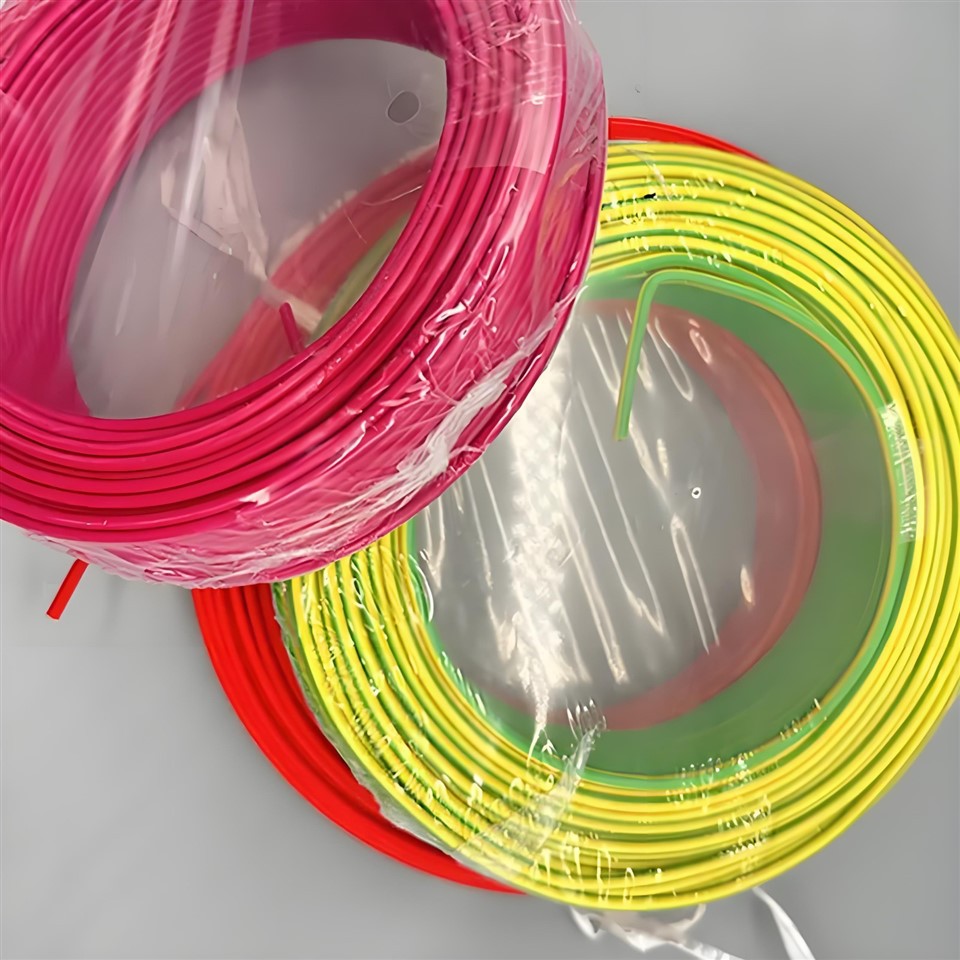
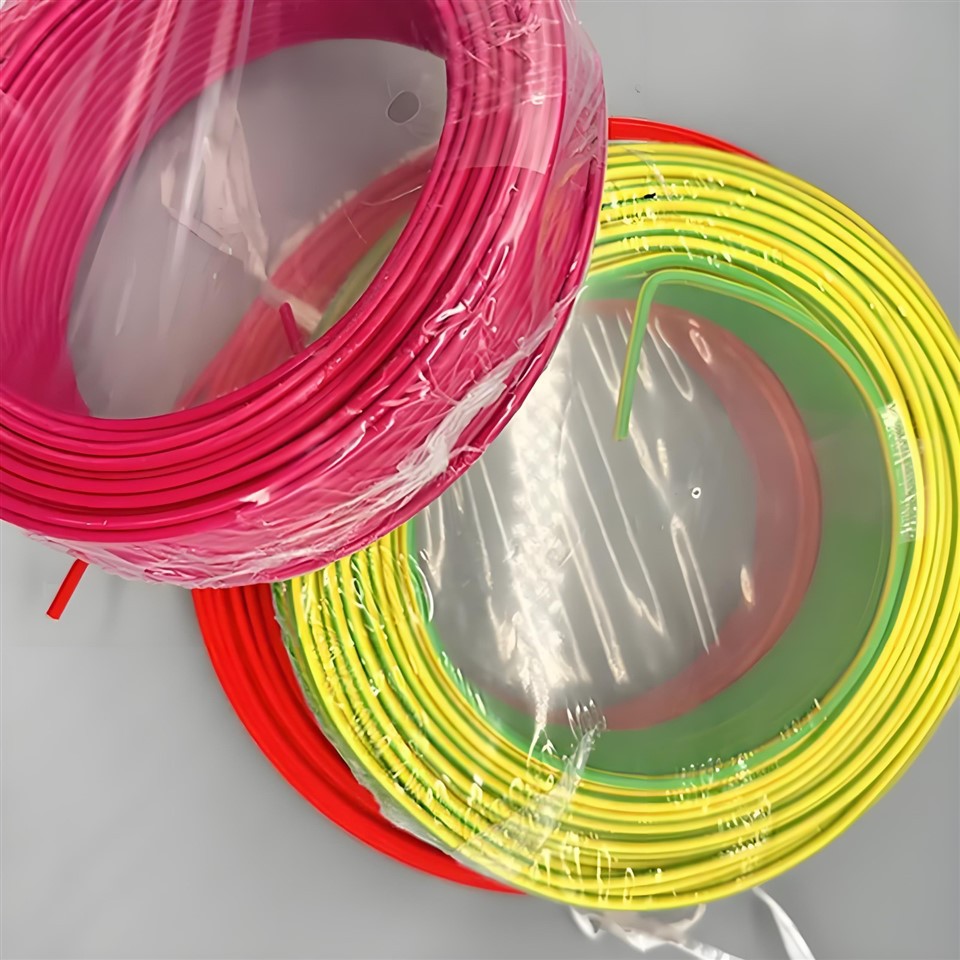
As a supplier of single core building wire, we take pride in providing high - quality products that meet all the industry standards. Our wires are made from the best materials and are designed to be flexible and durable. We offer a wide range of single core building wires for different applications, whether it's for residential, commercial, or industrial use.
Our team of experts is always available to answer any questions you may have about the bending radius requirements or any other aspect of our products. We can also provide you with detailed installation instructions to ensure that you get the best performance out of our wires.
Contact Us for Your Purchase
If you're in the market for single core building wire, we'd love to hear from you. Whether you're a contractor, an electrician, or a DIY enthusiast, we have the right wire for your project. Contact us today to discuss your requirements and get a quote. We're committed to providing you with the best products and services at competitive prices.
References
- National Electrical Code (NEC)
- International Electrotechnical Commission (IEC) standards
- Manufacturer's specifications for single core building wire