

Running cable wiring under a floor is a crucial task when it comes to setting up a reliable electrical or network system in a house. As a House Cable Wiring supplier, I've witnessed the importance of proper cable installation firsthand. In this blog, I'll share some in - depth insights on how to run cable wiring under a floor, covering everything from planning to the actual installation process.
Planning the Cable Route
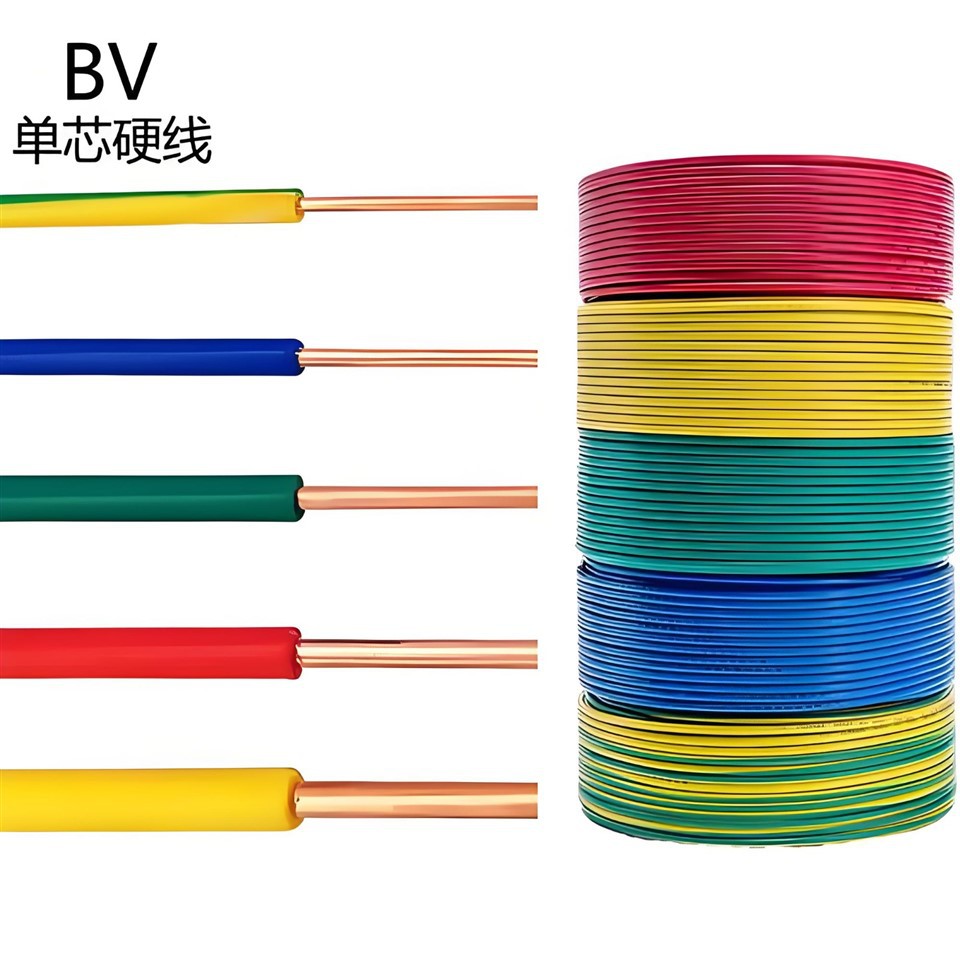
Before you start running cables under the floor, a well - thought - out plan is essential. First, determine the purpose of the cables. Are you installing electrical cables for power outlets, or data cables for internet and networking? This will help you choose the right type of cables. For electrical needs, you might consider Solid Building Wire, which is known for its durability and conductivity. For general house applications, Cable for House can be a great option.
Next, map out the route. Identify the starting and ending points of the cables. For example, if you're running a cable from a breaker box to a room, mark the locations on the floor. Take into account any obstacles such as support beams, plumbing pipes, or existing wiring. It's important to ensure that the cable route is as straight as possible to minimize signal loss and make the installation easier.
Measure the distance between the starting and ending points. This will help you determine the length of cable you need. It's always a good idea to add a little extra length to account for any unforeseen turns or adjustments during the installation process.
Preparing the Work Area
Once you have a plan in place, it's time to prepare the work area. Start by clearing the floor of any furniture, debris, or other obstacles. This will give you a clear space to work and reduce the risk of tripping or damaging the cables.
If the floor is carpeted, you may need to remove a section of the carpet to access the subfloor. Use a utility knife to carefully cut along the edges of the area where you'll be running the cables. Roll up the carpet and set it aside.
For hardwood or tile floors, you may need to drill holes in the subfloor. Before drilling, make sure you know the location of any plumbing or electrical lines in the area. Use a stud finder to locate the floor joists, as these are the best places to run the cables. Drill holes through the joists at regular intervals along the planned cable route. The holes should be large enough to accommodate the cables without causing any damage.
Selecting the Right Cables
As a House Cable Wiring supplier, I understand the importance of choosing the right cables for the job. For electrical wiring, you need to consider factors such as the amperage requirements, the type of insulation, and the gauge of the wire. House Cable Wiring offers a wide range of options to meet different needs.
For data cables, such as Ethernet or coaxial cables, you need to ensure that they are capable of handling the required data transfer speeds. Category 6 or higher Ethernet cables are recommended for high - speed internet connections.
When selecting cables, also consider the environment in which they will be installed. If the cables will be exposed to moisture or extreme temperatures, choose cables with appropriate insulation and protection.
Running the Cables
Now that you have the cables and the work area is prepared, it's time to start running the cables. One of the most common methods is to use a fish tape. A fish tape is a long, flexible metal tape that can be threaded through the holes in the subfloor.
Start by inserting the fish tape into the first hole at the starting point of the cable route. Gently push the fish tape through the holes, following the planned route. If you encounter an obstacle, try to maneuver the fish tape around it. You can also use a lubricant to make the fish tape slide more easily.
Once the fish tape reaches the end point, attach the cable to the end of the fish tape. Make sure the cable is securely attached. Then, slowly pull the fish tape back through the holes, pulling the cable along with it. As you pull, make sure the cable is not getting caught on any edges or obstacles.
If the cable route is long or has multiple turns, you may need to use multiple fish tapes. In this case, you can connect the fish tapes together using a special connector.
Securing the Cables
After the cables are run, it's important to secure them to prevent them from moving or getting damaged. Use cable staples or clips to secure the cables to the floor joists. Make sure the staples or clips are not too tight, as this can damage the cables.
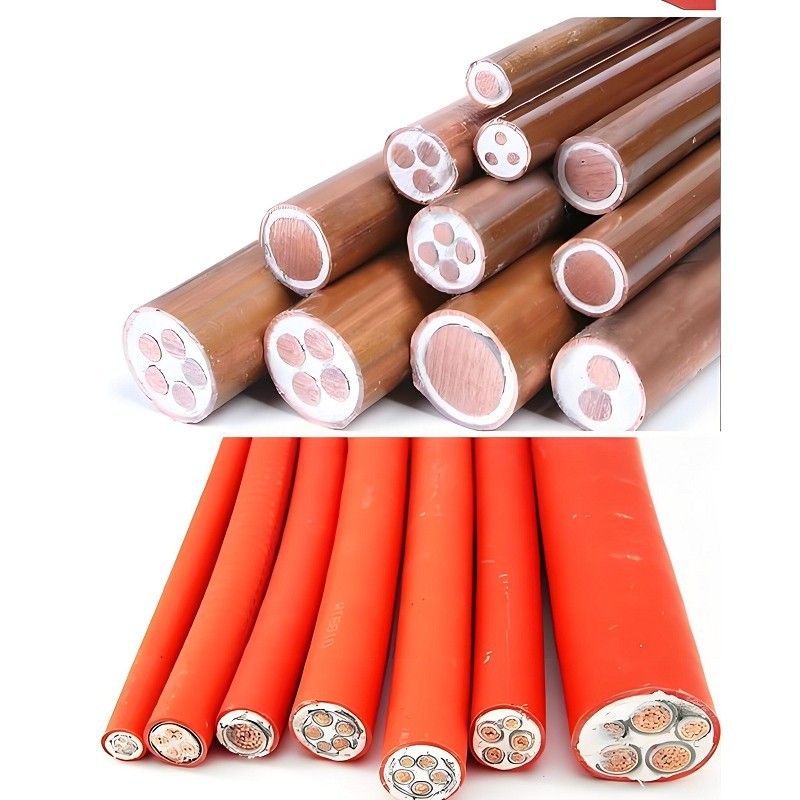
For electrical cables, you may also need to use cable trays or conduit to protect the cables. Cable trays are metal or plastic channels that can hold multiple cables. Conduit is a tube that can be used to enclose the cables and provide additional protection.
Testing the Cables
Once the cables are installed and secured, it's time to test them to ensure they are working properly. For electrical cables, use a voltage tester to check for the presence of electricity. Make sure all the connections are secure and there are no short circuits.
For data cables, use a cable tester to check the continuity and signal strength. This will help you identify any problems with the cables, such as broken wires or poor connections.
Troubleshooting
If you encounter any problems during the installation or testing process, don't panic. Here are some common issues and their solutions:
- Cable not pulling through: If the cable gets stuck while being pulled through the holes, try using a lubricant or a different fish tape. You may also need to drill additional holes to make the route easier.
- Electrical problems: If you have electrical problems, such as a short circuit or a lack of power, check the connections and make sure the cables are properly grounded. You may need to consult an electrician if the problem persists.
- Data connectivity issues: If you have data connectivity issues, check the cable connections and make sure the cables are not damaged. You may also need to update the network settings on your devices.
Conclusion
Running cable wiring under a floor is a complex but rewarding task. By following the steps outlined in this blog, you can ensure a successful cable installation. As a House Cable Wiring supplier, I'm here to provide you with the best quality cables and support for your project. If you're interested in purchasing cables or have any questions about cable installation, please feel free to contact us for a procurement discussion.
References
- Electrical Wiring Handbook, various editions
- Network Cabling Installation Guide, industry - specific publications