

As a cable supplier, I've seen firsthand the havoc that moisture can wreak on cables. Moisture isn't just a minor annoyance; it can lead to serious problems like short - circuits, corrosion, and a significant reduction in the cable's lifespan. In this blog, I'll share some practical tips on how to protect cables from moisture, which I've gathered from years in the cable business.
Understanding the Dangers of Moisture
Before we dive into the solutions, it's important to understand why moisture is such a big deal for cables. Water is a conductor of electricity. When it gets inside a cable, it can cause electrical leakage, which not only affects the performance of the cable but also poses a safety risk. Over time, moisture can corrode the metal conductors in the cable, weakening them and eventually leading to cable failure.
Choose the Right Cables
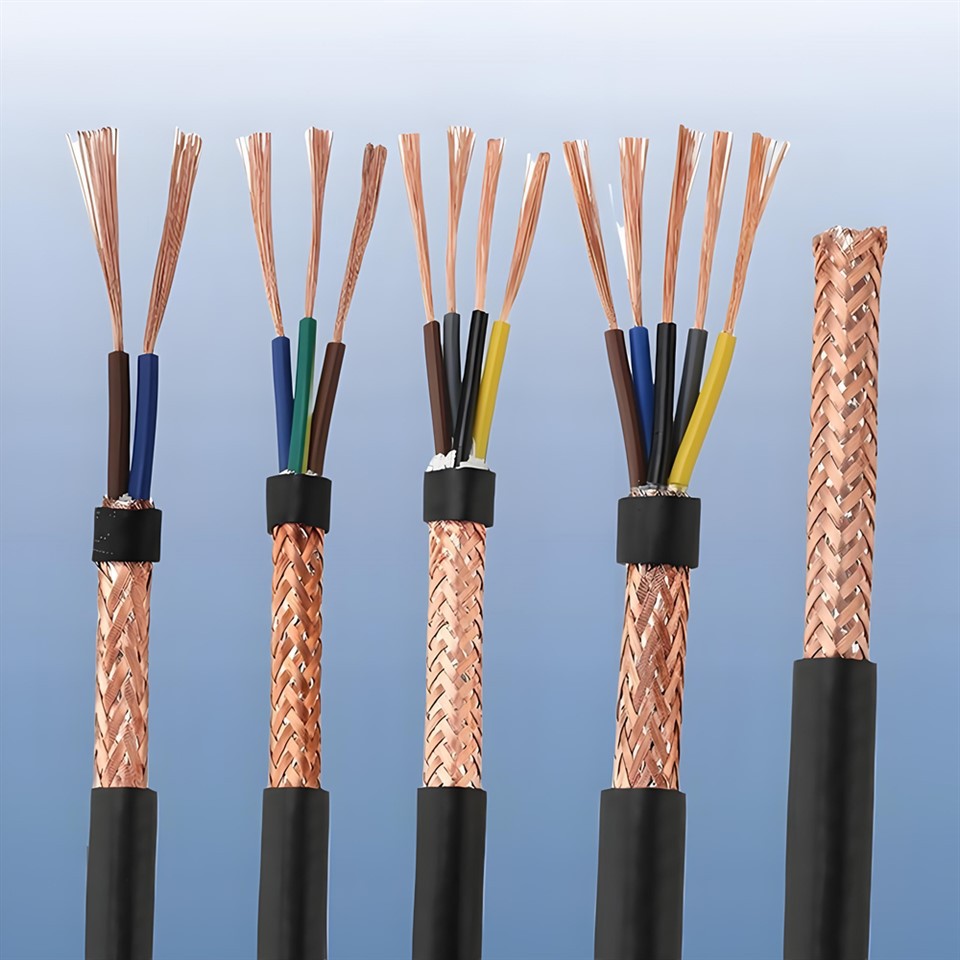
One of the first steps in protecting cables from moisture is to choose the right type of cables for the environment. For industrial settings, Industrial Control Cable is a great option. These cables are designed to withstand harsh conditions, including exposure to moisture. They often have a protective outer sheath that acts as a barrier against water and other contaminants.
Similarly, Electrical Control Cable is another good choice. These cables are built to handle electrical signals in control systems, and they are usually well - insulated to prevent moisture from seeping in.
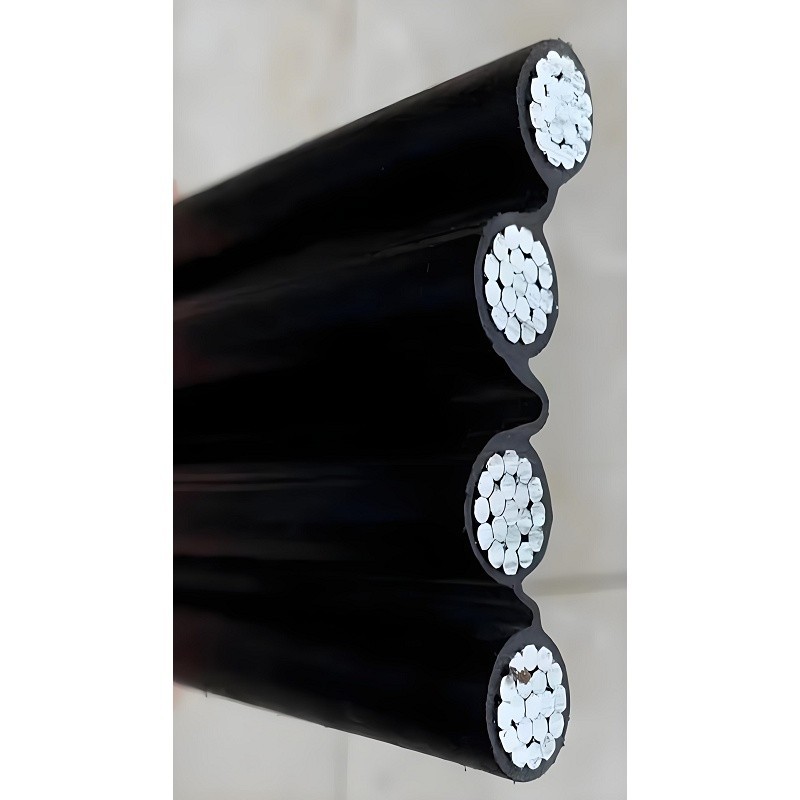
If you're dealing with outdoor applications, Overhead Insulated Cable is ideal. The insulation on these cables provides an extra layer of protection against moisture and other environmental factors.
Proper Installation
Proper installation is crucial in preventing moisture from getting into cables. When installing cables, make sure they are routed away from areas where water is likely to accumulate, such as near drains or low - lying areas. Use cable trays or conduits to protect the cables from direct contact with water.
Seal all cable entry points to prevent water from entering. This includes sealing holes in walls, floors, and cabinets where cables pass through. You can use silicone sealants or cable gland seals to create a watertight barrier.
Cable Termination
Cable termination is another area where moisture can enter. Make sure to use high - quality termination kits that are designed to be waterproof. When terminating cables, follow the manufacturer's instructions carefully. Ensure that all connections are tight and that the insulation is properly restored after termination.
Regular Inspections
Regular inspections are essential to catch any signs of moisture damage early. Check the cables for any signs of water stains, corrosion, or damage to the outer sheath. If you notice any issues, take immediate action to address them.
Inspect the cable terminations and connections regularly. Loose connections can allow moisture to enter, so make sure all connections are tight.
Environmental Controls
In some cases, you may need to implement environmental controls to protect cables from moisture. For example, in areas with high humidity, you can use dehumidifiers to reduce the moisture content in the air. This can help prevent condensation from forming on the cables.
If the cables are installed in a closed environment, such as a cabinet or a control room, make sure there is proper ventilation. Good ventilation helps to remove moisture and prevent it from accumulating.
Cable Marking and Documentation
Proper cable marking and documentation are important for cable maintenance and moisture protection. Mark the cables clearly so that you can easily identify them during inspections. Keep a record of the cable installation, including the date of installation, the type of cable, and any maintenance or repairs that have been done.
This documentation can help you track the condition of the cables over time and identify any potential issues related to moisture.
Storage
Proper storage of cables is also important in protecting them from moisture. When storing cables, keep them in a dry, cool place. Avoid storing cables in areas where they may be exposed to water or high humidity.
If you need to store cables for an extended period, make sure they are properly wrapped and sealed to prevent moisture from getting in.
Training and Education
Finally, it's important to train your staff on the importance of protecting cables from moisture. Make sure they understand the proper installation, maintenance, and inspection procedures. Provide them with the necessary tools and equipment to carry out these tasks effectively.
By following these tips, you can significantly reduce the risk of moisture damage to your cables. Remember, prevention is always better than cure when it comes to cable protection.
If you're in the market for high - quality cables that are designed to withstand moisture and other environmental factors, I'd love to have a chat with you. Whether you need industrial control cables, electrical control cables, or overhead insulated cables, I can provide you with the best solutions for your needs. Reach out to start a conversation about your cable requirements, and let's work together to ensure your cables are well - protected.
References
- Electrical Installation Handbook, Schneider Electric
- Cable Installation Best Practices, IEEE