

Can Hv Power Cable be used in a cold - climate region?
As a supplier of Hv Power Cables, I often receive inquiries from customers in cold - climate regions about the suitability of our cables for their environments. This blog post aims to explore whether Hv Power Cables can be effectively used in cold - climate areas, considering various factors such as cable materials, performance, and installation requirements.
Cable Materials and Cold - Climate Performance
The materials used in Hv Power Cables play a crucial role in their performance in cold climates. Most Hv Power Cables are insulated with materials like cross - linked polyethylene (XLPE) or ethylene propylene rubber (EPR). These materials have different properties that affect their behavior in low - temperature conditions.
XLPE is a popular insulation material due to its excellent electrical properties, mechanical strength, and resistance to environmental factors. However, at extremely low temperatures, XLPE can become brittle. This brittleness can lead to cracks in the insulation, which may compromise the cable's integrity and increase the risk of electrical failures. The transition temperature of XLPE, at which it starts to lose its flexibility, is typically around - 20°C to - 30°C, depending on the specific formulation.
On the other hand, EPR has better low - temperature flexibility compared to XLPE. It can maintain its elasticity and mechanical properties at much lower temperatures, often down to - 40°C or even lower. This makes EPR - insulated Hv Power Cables a more suitable choice for cold - climate regions.
In addition to the insulation material, the conductor material also needs to be considered. Copper is a common conductor material for Hv Power Cables. Copper has good electrical conductivity and is relatively resistant to cold - related issues. However, in extremely cold conditions, the mechanical properties of copper can change slightly. The coefficient of thermal expansion of copper means that it will contract in cold weather. This contraction can put stress on the cable joints and terminations, potentially leading to connection problems if not properly designed and installed.
Performance in Cold Climates
The performance of Hv Power Cables in cold climates is not only affected by the materials but also by the electrical and mechanical stresses they face. Cold temperatures can increase the electrical resistance of the cable, which may lead to higher power losses. This is because the movement of electrons in the conductor is more restricted at lower temperatures.
Mechanical stresses are also a significant concern. Ice and snow accumulation on the cables can add extra weight, which may cause the cables to sag or even break if they are not designed to withstand such loads. Wind - induced vibrations can also be more severe in cold - climate regions, especially when the cables are covered with ice. These vibrations can cause fatigue in the cable components, leading to long - term damage.
To ensure reliable performance in cold climates, Hv Power Cables need to be designed with a higher safety factor. This includes using thicker insulation, stronger conductors, and more robust cable structures. For example, some cables are designed with additional armor layers to protect against mechanical damage from ice and snow.
Installation Considerations in Cold Climates
Installing Hv Power Cables in cold - climate regions requires special attention. The ground may be frozen, making it difficult to dig trenches for underground cable installation. In such cases, alternative installation methods such as directional drilling or aerial installation may be more suitable.
When installing cables in cold weather, it is important to handle them carefully to avoid damage. The cables should be stored at a suitable temperature before installation to prevent them from becoming too brittle. During installation, the cables should be allowed to warm up to a reasonable temperature if they have been exposed to extreme cold.
Proper cable jointing and termination are also critical in cold - climate installations. The jointing materials need to be compatible with the low - temperature environment. Special jointing techniques may be required to ensure a reliable connection that can withstand the cold and the associated mechanical stresses.
Case Studies and Real - World Examples
There are many real - world examples of Hv Power Cables being used successfully in cold - climate regions. In northern Canada and Scandinavia, where the temperatures can drop well below - 30°C, power utilities have installed Hv Power Cables to supply electricity to remote communities. These cables are often designed with EPR insulation and additional mechanical protection to ensure reliable operation.
One such project involved the installation of Overhead Insulated Cable in a cold - climate area. The cables were designed to withstand the harsh winter conditions, including ice and snow loads. The project was a success, and the cables have been operating reliably for several years.
Another example is the use of Copper Control Cable in a cold - climate industrial facility. The cables were used to control various electrical systems in the plant. The copper conductors provided good electrical conductivity, and the insulation was chosen to withstand the low temperatures.
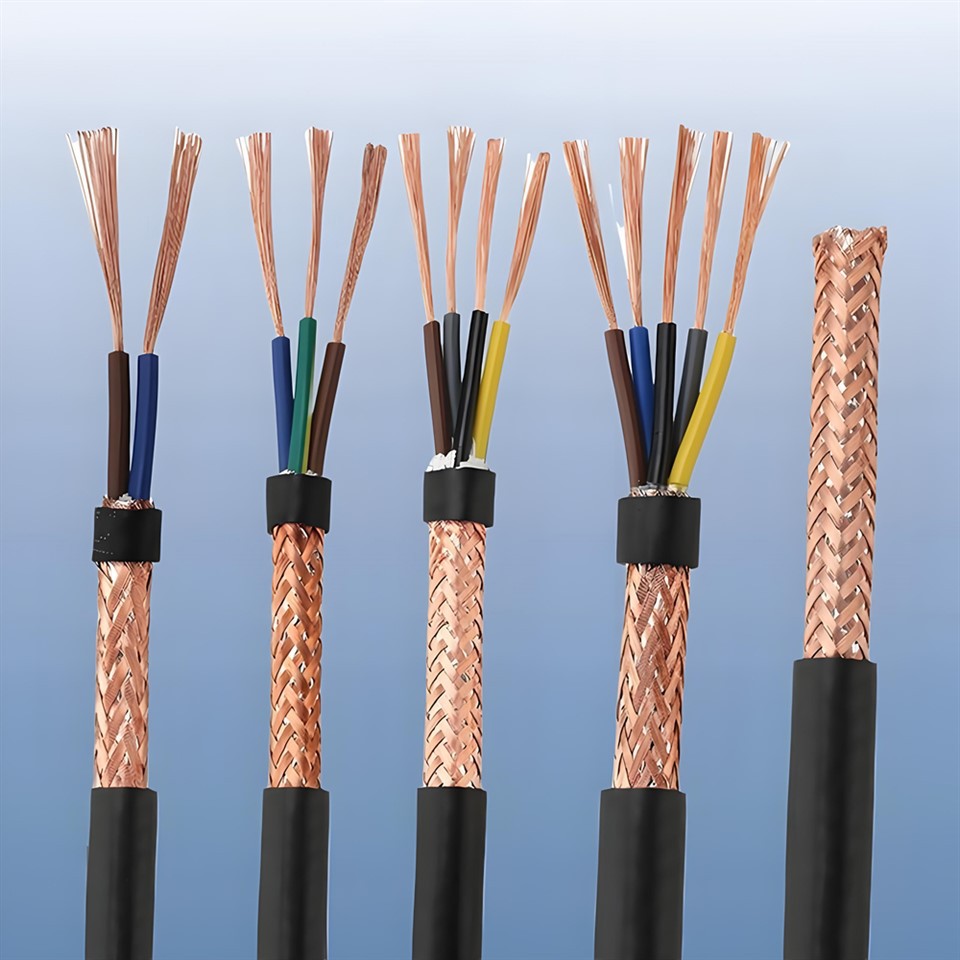
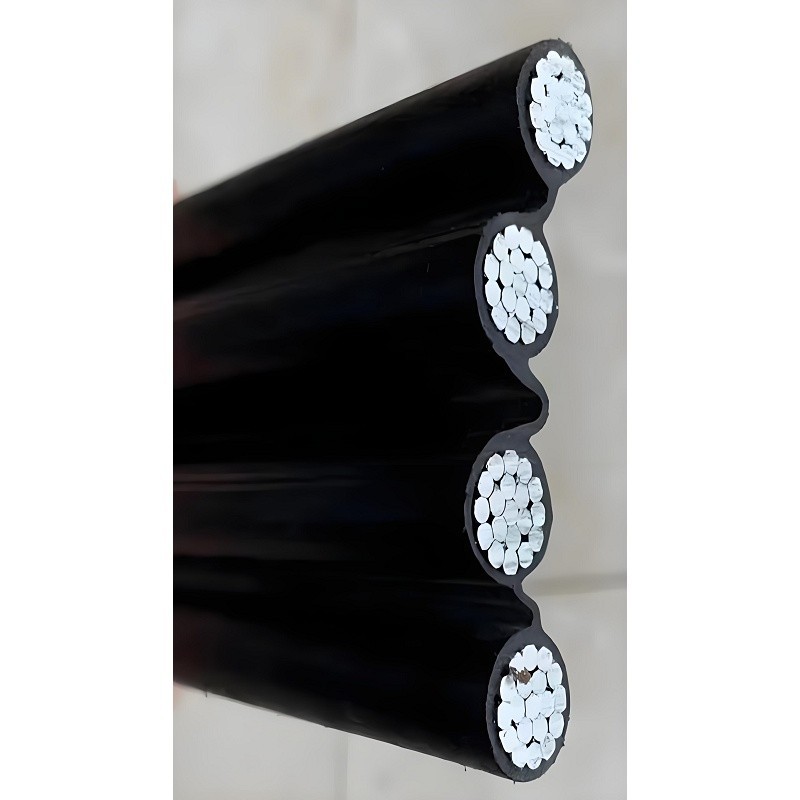
Our Hv Power Cables for Cold - Climate Regions
As a supplier of Hv Power Cable, we offer a range of products specifically designed for cold - climate applications. Our cables are made with high - quality materials, including EPR insulation for better low - temperature flexibility. We also provide comprehensive technical support to ensure proper installation and maintenance in cold - climate regions.
Our engineering team can work with customers to design customized cable solutions based on their specific requirements. Whether it is for a large - scale power transmission project or a small - scale industrial application, we have the expertise to provide reliable Hv Power Cables that can perform well in cold climates.
Conclusion and Call to Action
In conclusion, Hv Power Cables can be used in cold - climate regions, but careful consideration needs to be given to the cable materials, performance, and installation requirements. By choosing the right cable materials, such as EPR insulation, and following proper installation and maintenance procedures, the cables can operate reliably in cold environments.
If you are in a cold - climate region and are looking for high - quality Hv Power Cables, we invite you to contact us for a detailed discussion. Our team of experts is ready to assist you in selecting the most suitable cable solution for your project. We can provide you with technical specifications, pricing, and installation guidance to ensure a successful implementation.
References
- IEEE Standard for Design and Installation of Cable Systems in Power Generating Stations
- International Electrotechnical Commission (IEC) standards related to power cables
- Technical literature from cable manufacturers on cold - climate cable performance