

Hey there! As a supplier of flexible building wire, I often get asked about how to measure the length of this type of wire. It might seem like a straightforward task, but there are actually a few things to keep in mind to ensure you get an accurate measurement. In this blog post, I'll share some tips and methods that can help you measure the length of flexible building wire effectively.
Why Accurate Measurement Matters
Before we dive into the measurement methods, let's talk about why it's so important to measure the length of flexible building wire accurately. First of all, if you're working on a building project, you need to know exactly how much wire you have or need. Using too little wire can lead to incomplete installations, while using too much can result in unnecessary costs.
Also, accurate measurement helps in maintaining the quality of the electrical system. If the wire is too short, you might need to splice it, which can introduce potential weak points and increase the risk of electrical problems. On the other hand, having extra wire coiled up can cause overheating and other safety issues.
Measuring Tools
The first step in measuring the length of flexible building wire is to choose the right tools. Here are some common tools that you can use:
Measuring Tape
A measuring tape is a simple and widely used tool for measuring wire length. It's easy to use and can provide a fairly accurate measurement. Just make sure to stretch the wire out as straight as possible before measuring. You can do this by gently pulling the wire along a flat surface. However, for longer lengths, it can be a bit cumbersome to handle the wire and the tape at the same time.
Reel Counter
If you're dealing with wire that is wound on a reel, a reel counter can be a great tool. These devices are designed to count the number of rotations of the reel and then calculate the length of the wire based on the diameter of the reel. They can be very accurate, especially for large quantities of wire. Some reel counters even have digital displays that show the length in real-time.
Laser Distance Measurer
A laser distance measurer is a more high-tech option. It works by emitting a laser beam and measuring the time it takes for the beam to bounce back from the end of the wire. This method is very accurate and can be used for long distances. However, it might be a bit expensive and might not be necessary for small projects.
Measuring Methods
Now that you have the right tools, let's look at some methods for measuring the length of flexible building wire.
Direct Measurement
The most straightforward method is direct measurement. This involves stretching the wire out and using a measuring tape to measure the length. As I mentioned earlier, make sure the wire is as straight as possible to get an accurate measurement. You can do this by laying the wire on a flat surface or using a long, straight object like a board.
If the wire is too long to measure all at once, you can measure it in sections. Mark the end of each section with a piece of tape or a marker, and then add up the lengths of all the sections.
Calculation Based on Reel Dimensions
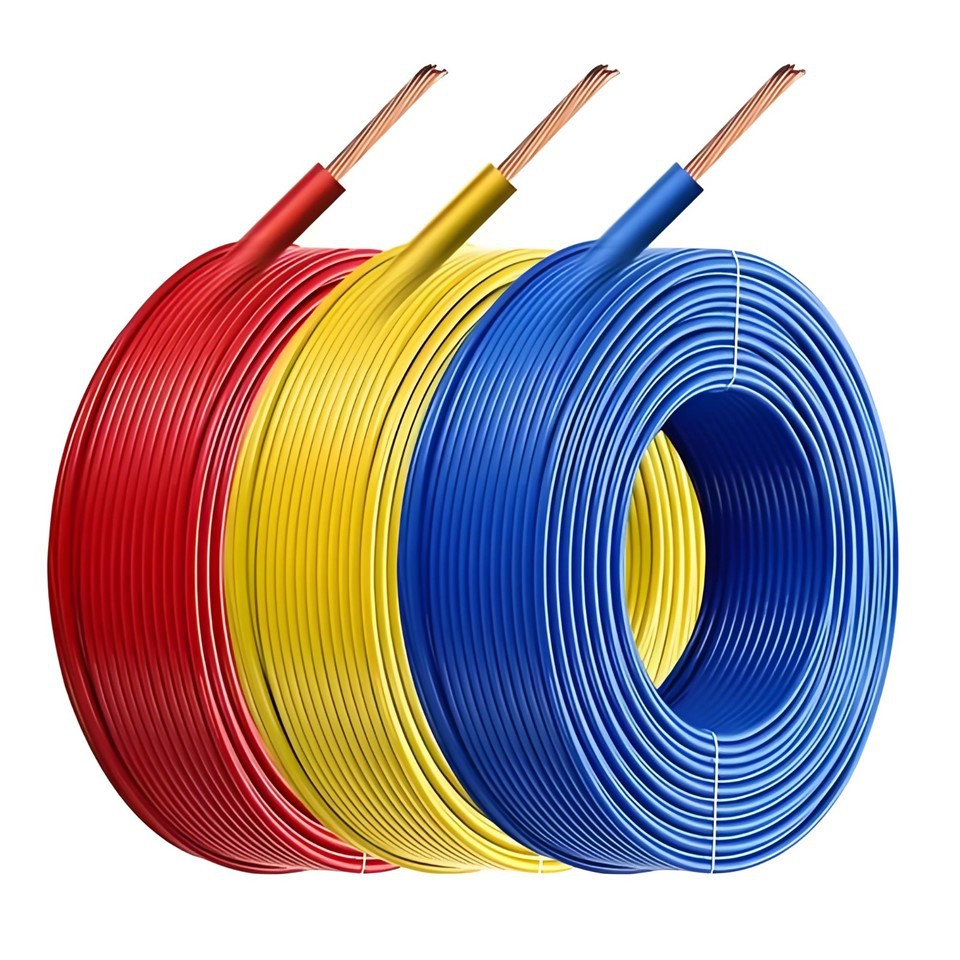
If the wire is wound on a reel, you can calculate the length based on the dimensions of the reel. First, measure the diameter of the reel and the thickness of the wire. Then, use the following formula:
Length = (Number of turns) x (Circumference of the reel)
The number of turns can be counted manually or using a reel counter. The circumference of the reel can be calculated using the formula:
Circumference = π x Diameter
For example, if the diameter of the reel is 10 inches and the wire has 50 turns, the circumference of the reel is approximately 31.4 inches (π x 10). So the length of the wire would be 50 x 31.4 = 1570 inches.
Using a Wire Length Calculator
There are also online wire length calculators available that can make the measurement process even easier. These calculators usually require you to input the diameter of the reel, the thickness of the wire, and the number of turns. They then calculate the length of the wire for you.

Special Considerations
When measuring flexible building wire, there are a few special considerations to keep in mind.
Coiling and Bending
Flexible building wire is often coiled or bent, which can make it difficult to measure accurately. To get an accurate measurement, try to straighten the wire as much as possible. If the wire has been coiled for a long time, it might have some memory and might not straighten completely. In this case, you can use a gentle heat source, like a hair dryer, to soften the wire and make it easier to straighten.
Different Types of Wire
There are different types of flexible building wire, such as Indoor Copper Building Wire, Single Core Building Wire, and House Cable Wiring. Each type of wire might have different characteristics that can affect the measurement process. For example, some wires might be more flexible than others, which can make them more difficult to straighten.
Conclusion
Measuring the length of flexible building wire is an important part of any building project. By choosing the right tools and methods, and keeping in mind the special considerations, you can ensure that you get an accurate measurement. Whether you're a professional electrician or a DIY enthusiast, these tips can help you save time and money.
If you're in the market for high-quality flexible building wire, we're here to help. We offer a wide range of products, including Indoor Copper Building Wire, Single Core Building Wire, and House Cable Wiring. Contact us to discuss your specific needs and let's start a great partnership!
References
- Electrical Wiring Handbook
- Building Electrical Systems Manual