

In today's era of increasing energy awareness and environmental concerns, the demand for energy - saving solutions in all aspects of life has grown significantly. Commercial wiring cables, as an essential part of commercial buildings, also play a crucial role in energy conservation. As a commercial wiring cable supplier, I am well - versed in the energy - saving features of these cables and their importance in the commercial sector.
Resistance and Energy Loss
One of the primary factors affecting energy consumption in wiring cables is electrical resistance. According to Ohm's law, the power loss (P) in a conductor is given by the formula (P = I^{2}R), where (I) is the current flowing through the conductor and (R) is the resistance of the conductor. Higher resistance leads to more power loss in the form of heat.
Modern commercial wiring cables are designed with low - resistance materials. Copper is a popular choice for conductors in commercial wiring due to its excellent electrical conductivity. Compared to other metals, copper has relatively low resistance, which means less energy is wasted as heat when current passes through the cable. For example, a high - quality copper cable with a proper cross - sectional area can significantly reduce energy loss compared to a cable made of a less conductive material.
In addition to the material, the cross - sectional area of the cable also affects resistance. Larger cross - sectional areas generally result in lower resistance. When designing a commercial electrical system, selecting cables with an appropriate cross - sectional area based on the expected current load is crucial. A cable that is too thin for the load will have a higher resistance, leading to increased energy consumption. Our company offers a wide range of Commercial Building Wire with different cross - sectional areas to meet the diverse needs of commercial projects.
Insulation and Heat Dissipation
Insulation in commercial wiring cables not only provides electrical safety but also has an impact on energy efficiency. Good insulation materials can prevent the leakage of electrical current, reducing energy waste. Polyvinyl chloride (PVC) is a commonly used insulation material in commercial wiring cables. It has good electrical insulation properties and is relatively inexpensive.
Moreover, proper insulation can also help in heat dissipation. When a cable conducts electricity, it generates heat. If the heat is not dissipated effectively, the temperature of the cable will rise, which can increase the resistance of the conductor and further lead to more energy loss. High - quality insulation materials can help transfer the heat away from the conductor, maintaining a lower operating temperature and improving energy efficiency. Our Pvc Insulated Flexible Wire is designed with excellent insulation properties to ensure efficient heat dissipation.
Shielding and Electromagnetic Interference
In a commercial environment, there are often multiple electrical devices and systems operating simultaneously. These can generate electromagnetic interference (EMI), which can not only affect the performance of electrical equipment but also cause energy loss. Shielded cables are used to minimize the impact of EMI.
A shielded commercial wiring cable has a layer of conductive material, such as aluminum foil or braided copper, around the conductor. This shield acts as a barrier, preventing external electromagnetic fields from interfering with the electrical signal in the cable. By reducing EMI, the cable can operate more efficiently, as the electrical energy is used more effectively for the intended purpose rather than being wasted in dealing with interference. Our company provides Flexible Building Wire with shielding options to meet the requirements of commercial buildings with high - EMI environments.
Smart Cable Technologies
With the development of technology, smart cable technologies are emerging in the commercial wiring field. These technologies can monitor and manage the electrical energy flowing through the cables in real - time. For example, some cables are equipped with sensors that can measure parameters such as current, voltage, and temperature. This data can be transmitted to a central control system, which can then adjust the electrical load based on the actual demand.
In a commercial building, different areas may have different electrical requirements at different times. By using smart cable technologies, the electrical system can be optimized to ensure that energy is used more efficiently. For instance, during off - peak hours, the system can reduce the power supply to non - essential areas, saving energy without sacrificing the functionality of the building.
Energy - Saving Certifications
Many commercial wiring cables on the market are certified for energy - saving performance. Certifications such as Energy Star or other industry - specific standards indicate that the cables meet certain energy - efficiency criteria. These certifications are based on rigorous testing and evaluation, ensuring that the cables can help commercial buildings reduce their energy consumption.
As a supplier, we ensure that our products meet or exceed these energy - saving certifications. This not only provides our customers with high - quality and energy - efficient cables but also helps them comply with energy - saving regulations and requirements in the commercial sector.
Conclusion
In conclusion, there are indeed many energy - saving features in commercial wiring cables. From low - resistance conductors to effective insulation, shielding, and smart technologies, these features work together to reduce energy consumption and improve the overall efficiency of commercial electrical systems.
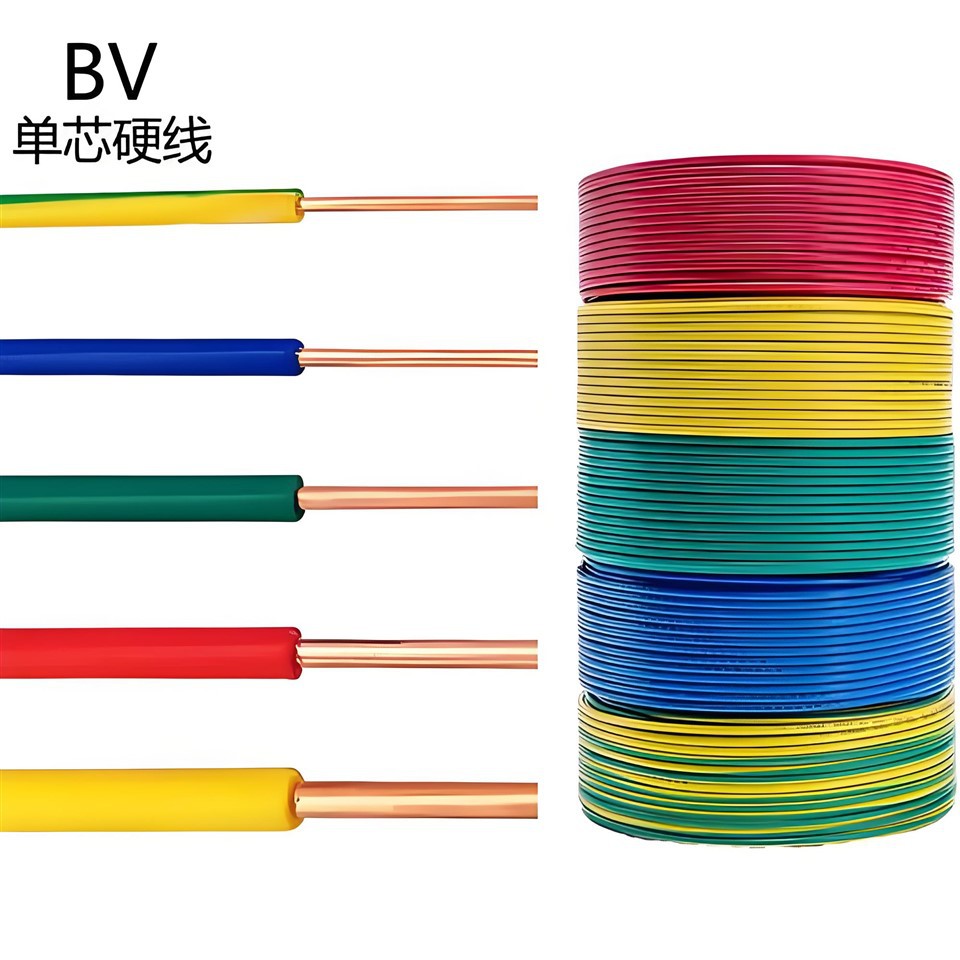
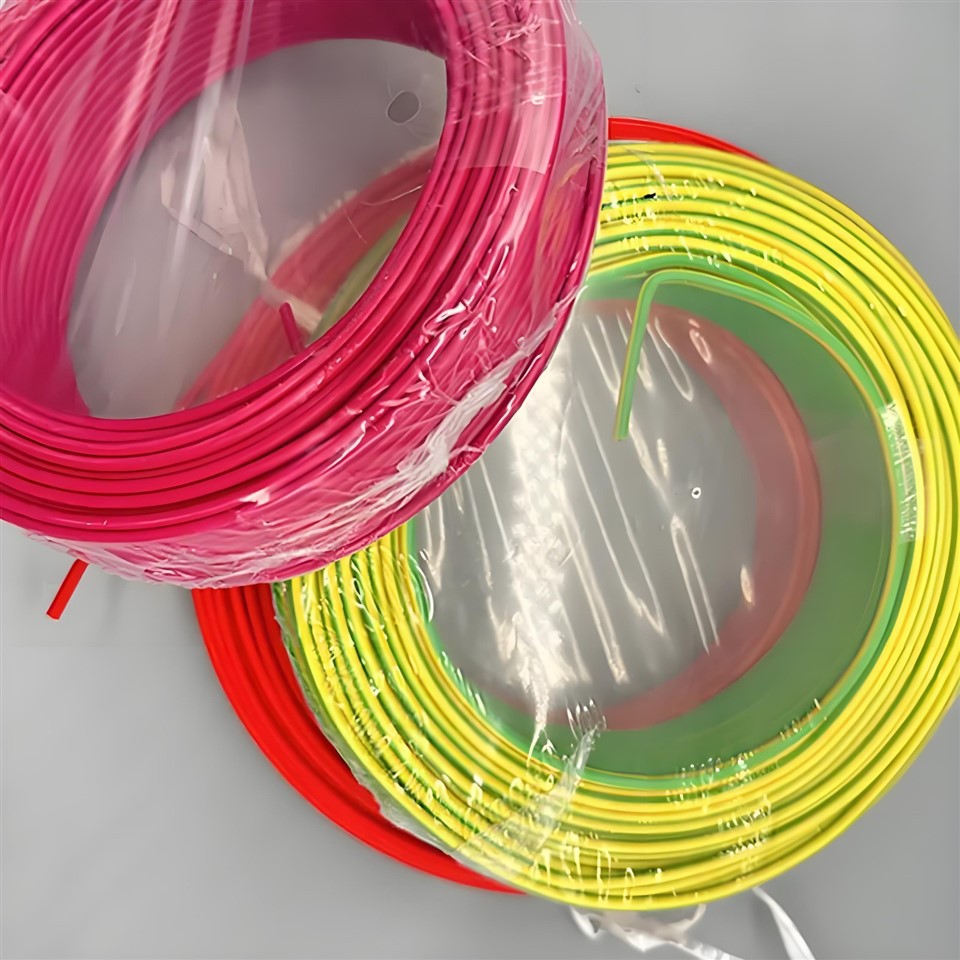
As a commercial wiring cable supplier, we are committed to providing high - quality, energy - efficient products to our customers. Our range of Commercial Building Wire, Flexible Building Wire, and Pvc Insulated Flexible Wire is designed to meet the diverse needs of commercial projects while ensuring energy conservation.
If you are interested in our products and would like to discuss your specific requirements for commercial wiring cables, we welcome you to reach out for a procurement discussion. We are ready to provide you with professional advice and solutions to help you achieve energy - efficient electrical systems in your commercial buildings.
References
- Ohm, G. S. (1827). Die galvanische Kette, mathematisch bearbeitet. Berlin: T. H. Riemann.
- Electrical Safety Foundation International. (n.d.). Electrical Safety and Energy Efficiency in Commercial Buildings.
- National Electrical Manufacturers Association. (n.d.). Standards for Commercial Wiring Cables.