

Hey there! As a supplier of Mechanical Control Cables, I often get asked about the shock resistance of these cables. It's a crucial factor that can make or break the performance of various applications where these cables are used. So, let's dive right into what shock resistance means for a mechanical control cable.
What is Shock Resistance?
Shock resistance refers to a cable's ability to withstand sudden impacts or jolts without getting damaged or losing its functionality. In the real - world scenarios, mechanical control cables are used in all sorts of environments. For example, in automotive applications, they are subjected to vibrations from the engine, bumps on the road, and sudden stops. In industrial machinery, they might face impacts from moving parts or accidental collisions.
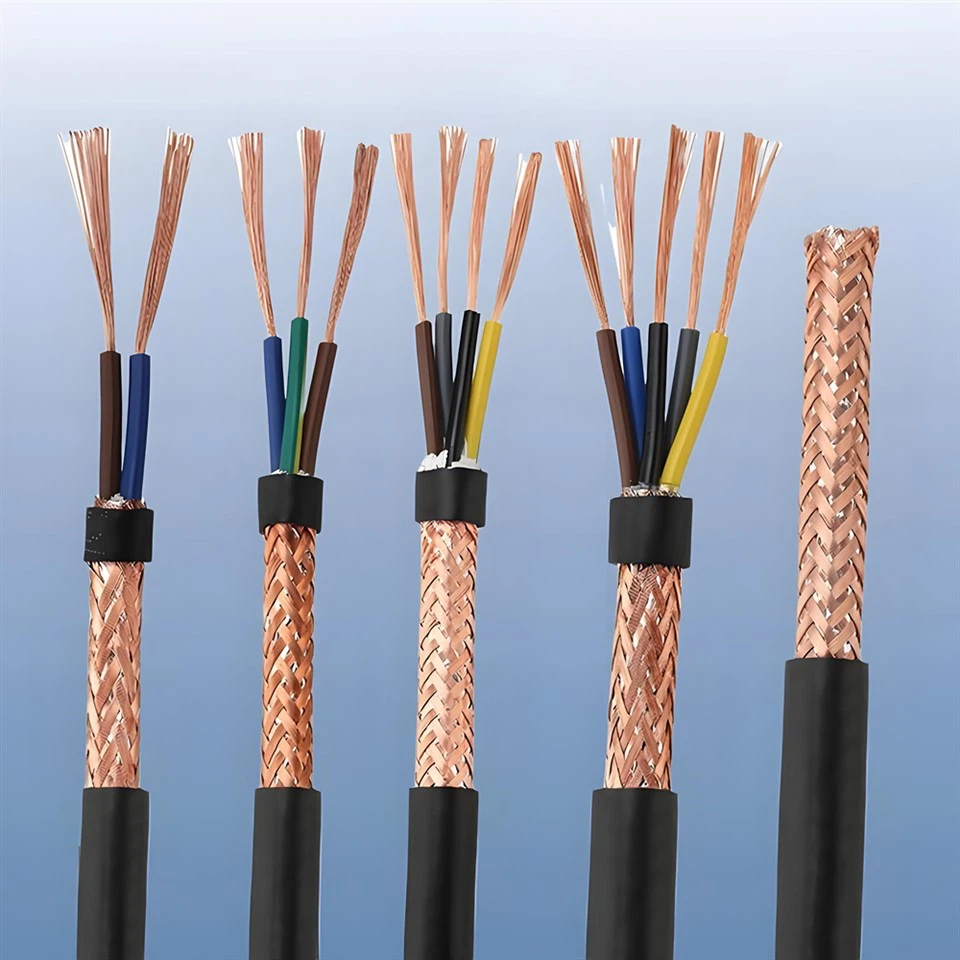

When a cable has good shock resistance, it can maintain its structural integrity. This means that the internal wires or components won't break, and the cable will continue to transmit signals accurately. If a cable lacks shock resistance, it can lead to a whole host of problems. The insulation might crack, exposing the wires and causing short - circuits. The core of the cable could get damaged, leading to a loss of control or inaccurate signal transmission.
Factors Affecting Shock Resistance
Material of the Cable
The materials used in the construction of a mechanical control cable play a huge role in its shock resistance. For instance, Copper Control Cable is known for its excellent electrical conductivity, but its shock resistance also depends on how it's made. High - quality copper cables with proper insulation and sheathing are more likely to withstand shocks.
The outer sheathing material is also important. PVC (Polyvinyl Chloride) is a popular choice for sheathing. Pvc Control Cable offers good flexibility and some level of shock absorption. The PVC sheathing can act as a buffer, reducing the impact on the internal components of the cable.
Design and Construction
The design of the cable is another key factor. A well - designed cable will have a strong core and proper layering. For example, cables with multiple layers of insulation and sheathing are generally more shock - resistant. The way the wires are twisted together also matters. A tight twist can prevent the wires from coming loose during a shock.
In addition, the connectors used at the ends of the cable are crucial. A secure and well - made connector can ensure that the cable remains intact even when subjected to shocks. If the connector is loose or poorly designed, it can become a weak point in the cable's shock resistance.
Installation
How the cable is installed can significantly affect its shock resistance. If the cable is installed in a way that it is exposed to unnecessary stress or vibrations, it will be more likely to fail under shock. For example, if a cable is bent too sharply or is not properly secured, it can be damaged easily. A proper installation should take into account the potential sources of shock and ensure that the cable is protected.
Testing Shock Resistance
To ensure that our mechanical control cables have good shock resistance, we conduct a series of tests. One common test is the drop test. We drop the cable from a certain height onto a hard surface and then check for any visible damage or changes in performance.
Another test is the vibration test. We subject the cable to continuous vibrations at different frequencies and amplitudes. This simulates the real - world conditions where the cable might be exposed to vibrations. After the test, we measure the electrical conductivity and check for any physical damage to the cable.
Importance of Shock Resistance in Different Applications
Automotive
In the automotive industry, shock resistance is of utmost importance. Mechanical control cables are used in various systems such as the throttle, brakes, and gear shifting. A cable that fails due to a shock can lead to a dangerous situation. For example, if the throttle cable breaks due to a shock, the driver might lose control of the vehicle's speed.
Industrial Machinery
In industrial settings, mechanical control cables are used to control the movement of heavy machinery. A shock - resistant cable can prevent downtime and costly repairs. If a cable fails in a large industrial machine, it can halt the entire production process.
Aerospace
In the aerospace industry, where safety is the top priority, shock resistance is crucial. Cables are used in flight control systems, and any failure can have catastrophic consequences. A shock - resistant cable can ensure the reliable operation of these systems even in extreme conditions.
Our Offerings as a Supplier
As a supplier of mechanical control cables, we understand the importance of shock resistance. We offer a wide range of cables, including Pvc Control Cable, Overhead Service Cable, and Copper Control Cable.
Our cables are made from high - quality materials and are designed to have excellent shock resistance. We use advanced manufacturing techniques to ensure that the cables are strong and durable. We also conduct rigorous testing to guarantee that our cables meet the highest standards of shock resistance.
Contact Us for Your Needs
If you're in the market for mechanical control cables with great shock resistance, we'd love to hear from you. Whether you're in the automotive, industrial, or aerospace industry, we can provide you with the right cables for your application. Just reach out to us, and we'll be happy to discuss your requirements and offer you the best solutions.
References
- "Handbook of Cable Engineering" by a well - known cable engineering expert.
- Industry standards and guidelines related to mechanical control cables.