

What is the cross - sectional area of Pvc Control Cable?
As a supplier of Pvc Control Cables, I often encounter customers who have questions about the cross - sectional area of these cables. The cross - sectional area of a Pvc Control Cable is a crucial factor that affects its performance and application.
Understanding Cross - Sectional Area
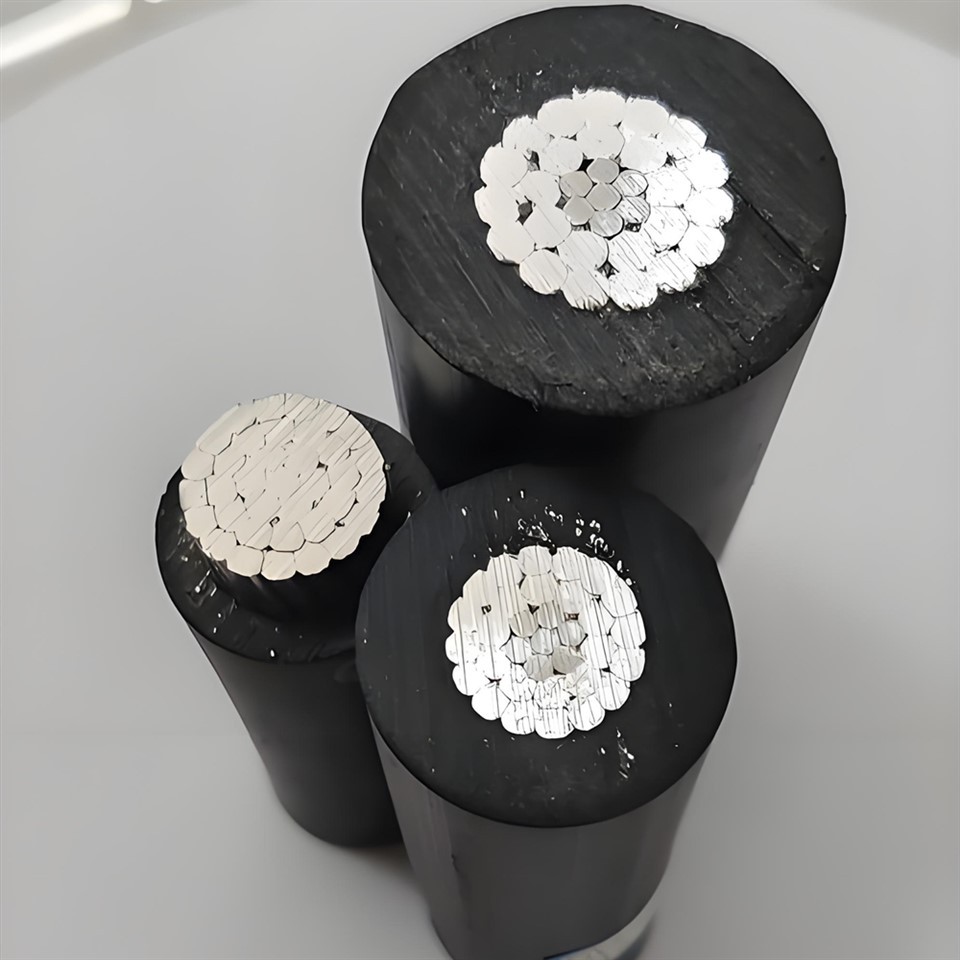
The cross - sectional area of a cable refers to the area of the cross - section of the conductor within the cable. It is usually measured in square millimeters (mm²). In the case of Pvc Control Cables, the cross - sectional area determines the amount of electrical current that the cable can safely carry. A larger cross - sectional area allows for a higher current - carrying capacity.
When we talk about the cross - sectional area of Pvc Control Cables, we need to consider different standards and requirements. Different industries and applications may have specific needs for the cross - sectional area of the cables. For example, in industrial control systems, the cables need to be able to handle the electrical signals and power required for the operation of various control devices.
Factors Affecting the Choice of Cross - Sectional Area
- Current - Carrying Capacity: As mentioned earlier, the cross - sectional area directly influences the current - carrying capacity of the cable. If the cable is expected to carry a large amount of current, a larger cross - sectional area is required. For instance, in a high - power control system, a cable with a larger cross - sectional area can prevent overheating and ensure stable operation.
- Voltage Drop: Another important factor is the voltage drop. When current flows through a cable, there is a certain amount of voltage drop along the cable length. A larger cross - sectional area can reduce the resistance of the cable, thereby minimizing the voltage drop. This is especially important in long - distance control applications where maintaining a stable voltage is crucial.
- Environmental Conditions: The environmental conditions where the cable will be installed also play a role in determining the cross - sectional area. In harsh environments such as high - temperature or high - humidity areas, the cable may need a larger cross - sectional area to ensure reliable performance.
Common Cross - Sectional Areas of Pvc Control Cables
Pvc Control Cables come in a variety of cross - sectional areas to meet different needs. Some common cross - sectional areas include 0.75 mm², 1.0 mm², 1.5 mm², 2.5 mm², 4 mm², and 6 mm².
- 0.75 mm² and 1.0 mm²: These smaller cross - sectional areas are often used in low - power control circuits, such as in small - scale automation systems or in control panels where the current requirements are relatively low.
- 1.5 mm² and 2.5 mm²: These are more commonly used in general industrial control applications. They can handle a moderate amount of current and are suitable for a wide range of control devices.
- 4 mm² and 6 mm²: Larger cross - sectional areas like these are used in high - power control systems or in applications where long - distance power transmission is required.
Applications of Pvc Control Cables with Different Cross - Sectional Areas
- Automation and Control Systems: In industrial automation, Pvc Control Cables are used to connect various control devices such as sensors, actuators, and controllers. Cables with smaller cross - sectional areas are often used for signal transmission, while larger cross - sectional areas may be required for power supply to high - power actuators.
- Building Automation: In buildings, Pvc Control Cables are used for lighting control, HVAC (Heating, Ventilation, and Air Conditioning) systems, and security systems. The choice of cross - sectional area depends on the power requirements of the devices being controlled.
- Power Distribution: In some cases, Pvc Control Cables can also be used for power distribution within a control system. Larger cross - sectional areas are used to ensure that the power is distributed safely and efficiently.
Related Products and Their Cross - Sectional Areas
In addition to Pvc Control Cables, there are other types of cables that are related to the field of power and control. For example, Medium Voltage Power Cable is used for the transmission of medium - voltage electricity. These cables typically have larger cross - sectional areas compared to Pvc Control Cables to handle higher voltages and currents.
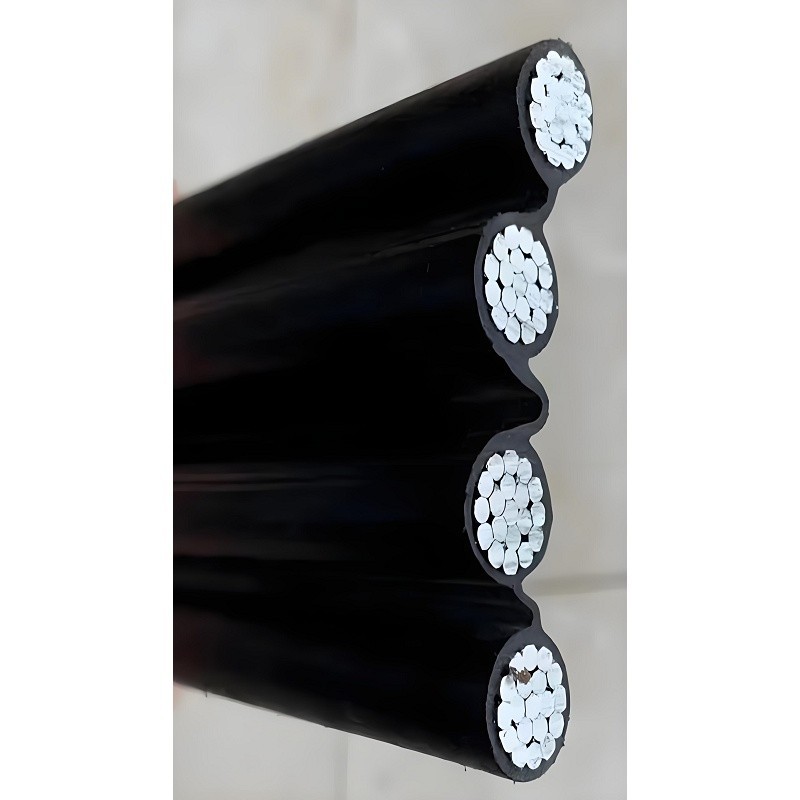
Aluminum Service Drop Cable is another type of cable that is used for the connection between the utility pole and the building. The cross - sectional area of aluminum service drop cables also varies depending on the power requirements and the distance of the connection.
Low Voltage Power Cable is used for the distribution of low - voltage power in various applications. Similar to Pvc Control Cables, the cross - sectional area of low - voltage power cables is determined by the current - carrying capacity and the voltage drop requirements.
Choosing the Right Cross - Sectional Area for Your Application
When choosing the cross - sectional area of a Pvc Control Cable, it is important to consider the specific requirements of your application. You should consult with a professional engineer or an experienced cable supplier to ensure that you select the right cable for your needs.
If you are unsure about the cross - sectional area required for your project, you can provide the following information to the supplier:
- The power requirements of the devices that the cable will be connected to.
- The distance of the cable run.
- The environmental conditions where the cable will be installed.
Conclusion
The cross - sectional area of a Pvc Control Cable is a critical parameter that affects its performance and application. By understanding the factors that influence the choice of cross - sectional area and the common cross - sectional areas available, you can make an informed decision when selecting a cable for your project.
If you are in need of Pvc Control Cables or have any questions about their cross - sectional areas, please feel free to contact us. We are here to help you choose the right cable for your specific requirements and ensure that your project runs smoothly.
References
- Electrical Installation Handbook, Schneider Electric
- Cable Engineering Manual, General Cable Corporation