

As a supplier of mechanical control cables, I've witnessed firsthand the importance of these components in various industries. Mechanical control cables are the unsung heroes of many systems, transmitting force and motion to ensure smooth operation. However, like all mechanical parts, they are subject to wear and tear over time. Recognizing the signs of a worn-out mechanical control cable is crucial for maintaining the efficiency and safety of your equipment. In this blog, I'll share some common indicators that your cable may need replacement.
1. Visible Wear and Tear
One of the most obvious signs of a worn-out mechanical control cable is visible damage to the outer sheath. The sheath is designed to protect the inner wires from environmental factors such as moisture, dirt, and abrasion. If you notice cracks, cuts, or fraying in the sheath, it's a clear indication that the cable is at risk of further damage. These damages can expose the inner wires, leading to corrosion and reduced performance.
Another sign of wear is the presence of kinks or bends in the cable. Kinks can disrupt the smooth flow of force through the cable, causing it to bind or stick. This can lead to inaccurate control and increased stress on the cable, which can accelerate wear and tear. If you notice any kinks or bends in the cable, it's important to address them as soon as possible to prevent further damage.
2. Increased Resistance
A worn-out mechanical control cable may also exhibit increased resistance when operated. This can be felt as a stiffness or difficulty in moving the control lever or actuator. Increased resistance can be caused by a variety of factors, including dirt and debris in the cable, corrosion of the inner wires, or damage to the cable's internal components.
If you notice an increase in resistance when operating the cable, it's important to inspect it for signs of damage. You may need to clean the cable or replace it if the damage is severe. Ignoring increased resistance can lead to further damage to the cable and the equipment it controls, as well as reduced performance and safety.
3. Unusual Noises
Another sign of a worn-out mechanical control cable is the presence of unusual noises when the cable is operated. These noises can include grinding, clicking, or rattling sounds. Unusual noises can be caused by a variety of factors, including loose or worn components, misalignment of the cable, or damage to the cable's internal structure.
If you hear any unusual noises when operating the cable, it's important to stop using the equipment and inspect the cable for damage. You may need to tighten loose components, realign the cable, or replace it if the damage is severe. Ignoring unusual noises can lead to further damage to the cable and the equipment it controls, as well as increased safety risks.
4. Inconsistent Performance
A worn-out mechanical control cable may also exhibit inconsistent performance. This can be felt as a delay or hesitation in the response of the control lever or actuator. Inconsistent performance can be caused by a variety of factors, including damage to the cable's internal components, dirt and debris in the cable, or corrosion of the inner wires.
If you notice inconsistent performance when operating the cable, it's important to inspect it for signs of damage. You may need to clean the cable or replace it if the damage is severe. Ignoring inconsistent performance can lead to further damage to the cable and the equipment it controls, as well as reduced efficiency and safety.
5. Corrosion
Corrosion is another common sign of a worn-out mechanical control cable. Corrosion can occur when the cable is exposed to moisture, chemicals, or other environmental factors. Over time, corrosion can weaken the cable's inner wires, leading to reduced performance and increased risk of failure.
If you notice signs of corrosion on the cable, such as rust or discoloration, it's important to address it as soon as possible. You may need to clean the cable or replace it if the corrosion is severe. Ignoring corrosion can lead to further damage to the cable and the equipment it controls, as well as increased safety risks.
6. Excessive Stretch
A worn-out mechanical control cable may also exhibit excessive stretch. Excessive stretch can occur when the cable is subjected to repeated stress or when it is exposed to high temperatures. Over time, excessive stretch can cause the cable to lose its tension, leading to reduced performance and increased risk of failure.
If you notice excessive stretch in the cable, it's important to inspect it for signs of damage. You may need to adjust the tension of the cable or replace it if the damage is severe. Ignoring excessive stretch can lead to further damage to the cable and the equipment it controls, as well as increased safety risks.
7. Age
Finally, the age of the mechanical control cable can also be a factor in its wear and tear. Over time, the materials used in the cable can degrade, leading to reduced performance and increased risk of failure. If your cable is approaching the end of its expected lifespan, it's important to consider replacing it to ensure the continued efficiency and safety of your equipment.
In conclusion, recognizing the signs of a worn-out mechanical control cable is crucial for maintaining the efficiency and safety of your equipment. By regularly inspecting your cables for visible wear and tear, increased resistance, unusual noises, inconsistent performance, corrosion, excessive stretch, and age, you can identify potential problems before they become serious. If you notice any of these signs, it's important to take action as soon as possible to prevent further damage to the cable and the equipment it controls.
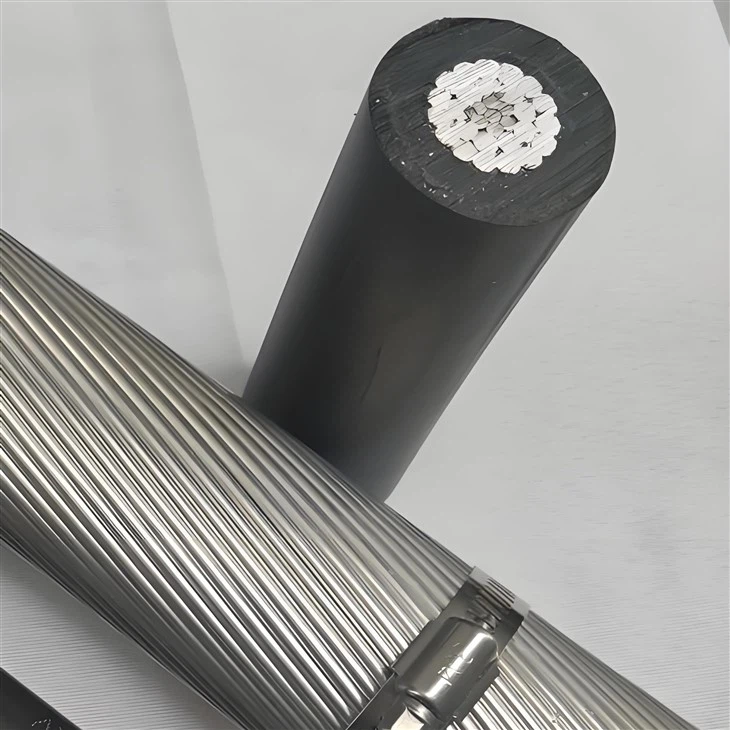
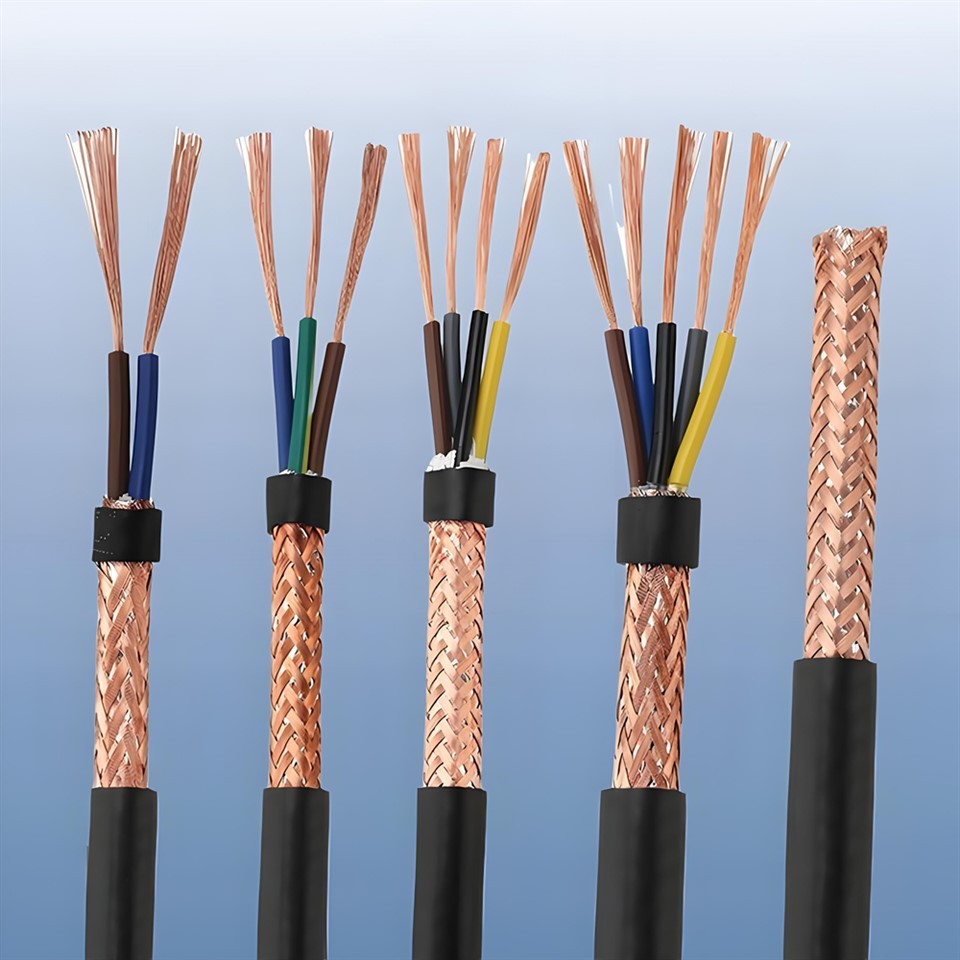
At our company, we offer a wide range of high-quality mechanical control cables, including Copper Control Cable, Overhead Insulated Cable, and Overhead Service Cable. Our cables are designed to meet the highest standards of quality and performance, and we offer a variety of options to suit your specific needs.
If you're in the market for a new mechanical control cable, or if you have any questions about our products, please don't hesitate to contact us. Our team of experts is here to help you find the right cable for your application and to provide you with the support and guidance you need to ensure the success of your project.
References
- Smith, J. (2020). Mechanical Control Cables: A Comprehensive Guide. Industrial Press.
- Jones, R. (2019). Understanding the Wear and Tear of Mechanical Components. Mechanical Engineering Journal.
- Brown, S. (2018). The Importance of Regular Maintenance for Mechanical Control Cables. Maintenance Technology Magazine.