

Hey there! As a supplier of Medium Voltage Power Cables, I'm super stoked to share with you the different types of these cables. Medium voltage power cables play a crucial role in transmitting and distributing electrical power in a wide range of applications, from industrial complexes to commercial buildings and even some residential areas. So, let's dive right in!
1. Cross - Linked Polyethylene (XLPE) Cables
XLPE cables are one of the most popular types of medium voltage power cables out there. They use cross - linked polyethylene as the insulation material. The cross - linking process gives the polyethylene enhanced properties, like better heat resistance, mechanical strength, and chemical resistance.

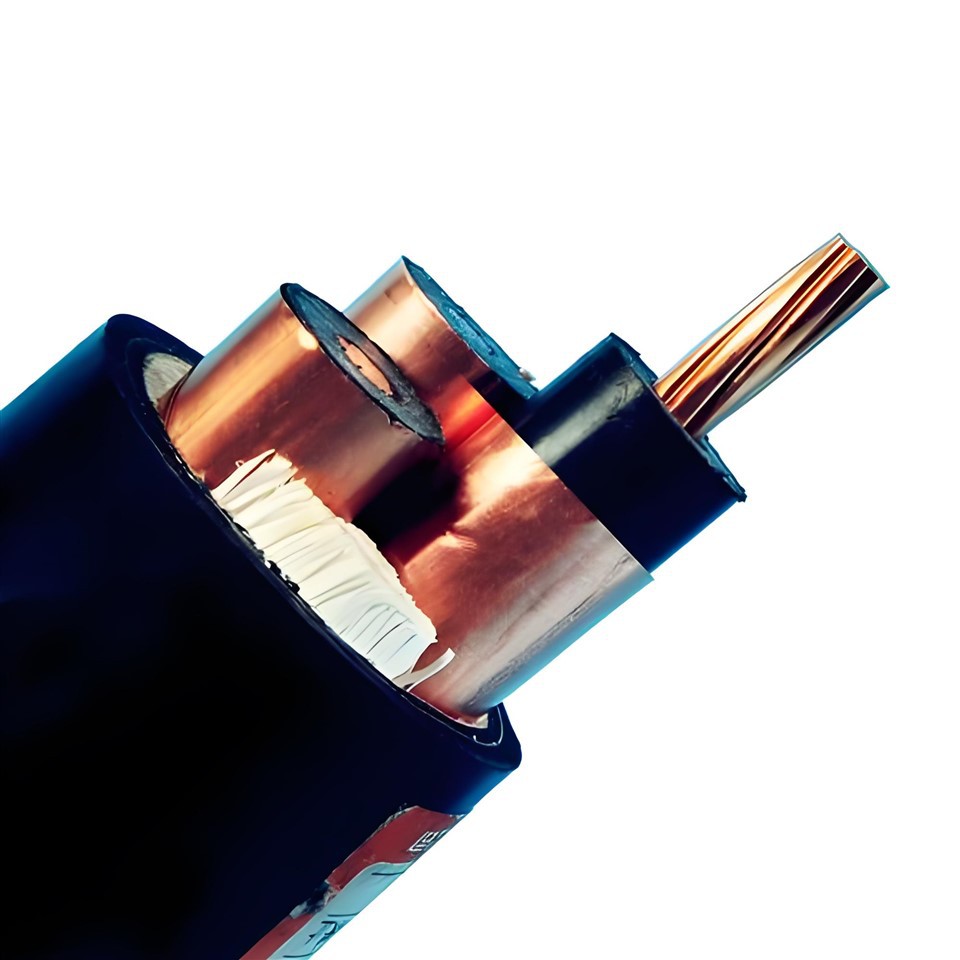
One of the big advantages of XLPE cables is their long service life. They can withstand high temperatures without degrading quickly, which means they can operate efficiently for decades. These cables are also relatively easy to install. They're flexible, so they can be bent around corners and through conduits without much hassle.
In terms of applications, XLPE cables are commonly used in underground power distribution systems. They're great for urban areas where space is limited and you need a reliable cable that can handle the load. You can find them in substations, connecting transformers to distribution networks, and also in industrial plants where they power large machinery. Check out our Medium Voltage Power Cable page for more details on our XLPE offerings.
2. Ethylene Propylene Rubber (EPR) Cables
EPR cables use ethylene propylene rubber as the insulation material. EPR has excellent electrical properties, including low dielectric loss and high insulation resistance. This means that less energy is lost as heat during power transmission, making these cables more energy - efficient.
EPR cables are known for their flexibility and resistance to environmental factors. They can handle extreme temperatures, from very cold to very hot, and are also resistant to ozone and UV radiation. This makes them a great choice for outdoor applications, like overhead power lines.
Another advantage of EPR cables is their ability to withstand moisture. They have good water - resistance properties, which is important for cables that are exposed to wet conditions. For example, in coastal areas or places with high rainfall, EPR cables can ensure reliable power transmission. If you're looking for a cable that can stand up to the elements, our EPR Medium Voltage Power Cable might be the right fit for you.
3. Oil - Filled Cables
Oil - filled cables have been around for a long time. They consist of a conductor surrounded by insulation that is impregnated with oil. The oil serves several purposes. It provides excellent electrical insulation, helps to dissipate heat, and also acts as a barrier against moisture.
One of the main advantages of oil - filled cables is their high dielectric strength. This allows them to handle high voltages without breaking down. They're often used in high - load applications, such as large industrial complexes or power generation facilities.
However, oil - filled cables also have some drawbacks. They require special installation and maintenance procedures because of the oil. There's also a risk of oil leakage, which can be environmentally harmful. But with proper care and monitoring, these cables can still be a reliable option for certain applications. You can learn more about our oil - filled Medium Voltage Power Cable on our website.
4. Paper - Insulated Lead - Sheathed (PILC) Cables
PILC cables are another traditional type of medium voltage power cable. They use paper as the insulation material, which is then wrapped in a lead sheath. The lead sheath provides mechanical protection and also acts as a barrier against moisture.
These cables have a long history of use and are known for their reliability. They can handle high voltages and are suitable for underground and submarine applications. The paper insulation has good dielectric properties, and the lead sheath helps to prevent water from getting into the cable.
But like oil - filled cables, PILC cables also have some limitations. The paper insulation can degrade over time, especially if it gets wet. And the lead sheath can be heavy and difficult to install. Despite these challenges, PILC cables are still used in some older power systems where they have proven their worth. For more information on our PILC Medium Voltage Power Cable, head over to our website.
5. Comparison with High - Voltage and Other Types of Cables
It's important to understand how medium voltage power cables compare with other types of cables. For example, Hv Power Cable are designed to handle much higher voltages, usually above 100 kV. They require more advanced insulation materials and construction techniques to ensure safety and reliability.
On the other hand, low - voltage cables are used for applications where the voltage is relatively low, like in household electrical systems. Medium voltage power cables fill the gap between these two extremes, providing a reliable solution for a wide range of applications where the voltage is typically between 1 kV and 36 kV.
Another type of cable that's worth mentioning is the Quadruplex Overhead Wire. These wires are often used for overhead power distribution in rural areas. They consist of four conductors bundled together, which makes them more compact and easier to install. While they're not exactly the same as medium voltage power cables, they serve a similar purpose in power distribution.
Why Choose Our Medium Voltage Power Cables?
As a supplier, we take pride in offering high - quality medium voltage power cables. Our cables are manufactured using the latest technology and the best materials. We ensure that each cable meets strict quality standards, so you can trust that you're getting a reliable product.
We also offer a wide range of cable types to meet different customer needs. Whether you need an XLPE cable for underground distribution or an EPR cable for outdoor use, we've got you covered. Our team of experts is always available to help you choose the right cable for your specific application.
If you're in the market for medium voltage power cables, we'd love to talk to you. We can provide you with detailed product information, answer any questions you might have, and even offer customized solutions. Don't hesitate to reach out to us for a quote or to start a discussion about your power cable needs.
In conclusion, there are several types of medium voltage power cables, each with its own unique properties and applications. Whether you're looking for a cable that can withstand high temperatures, resist moisture, or handle high loads, there's a cable out there for you. And as a trusted supplier, we're here to help you make the right choice. So, get in touch with us today and let's work together to find the perfect medium voltage power cable for your project.
References
- Electrical Power Cable Engineering, Third Edition by John W. McPartland
- Handbook of Electric Power Calculations, Fourth Edition by H. Wayne Beaty