

Hey there! I'm a supplier of Solid Building Wire, and today I wanna chat about the color - coding standards for Solid Building Wire in different industries. It's a topic that might seem a bit technical at first, but it's super important for anyone working with electrical wiring.
Let's start with the basics. Color - coding in electrical wiring is like a secret language. It helps electricians, contractors, and even DIY enthusiasts quickly identify the purpose of each wire. This not only makes the installation process easier but also enhances safety.
Residential Industry
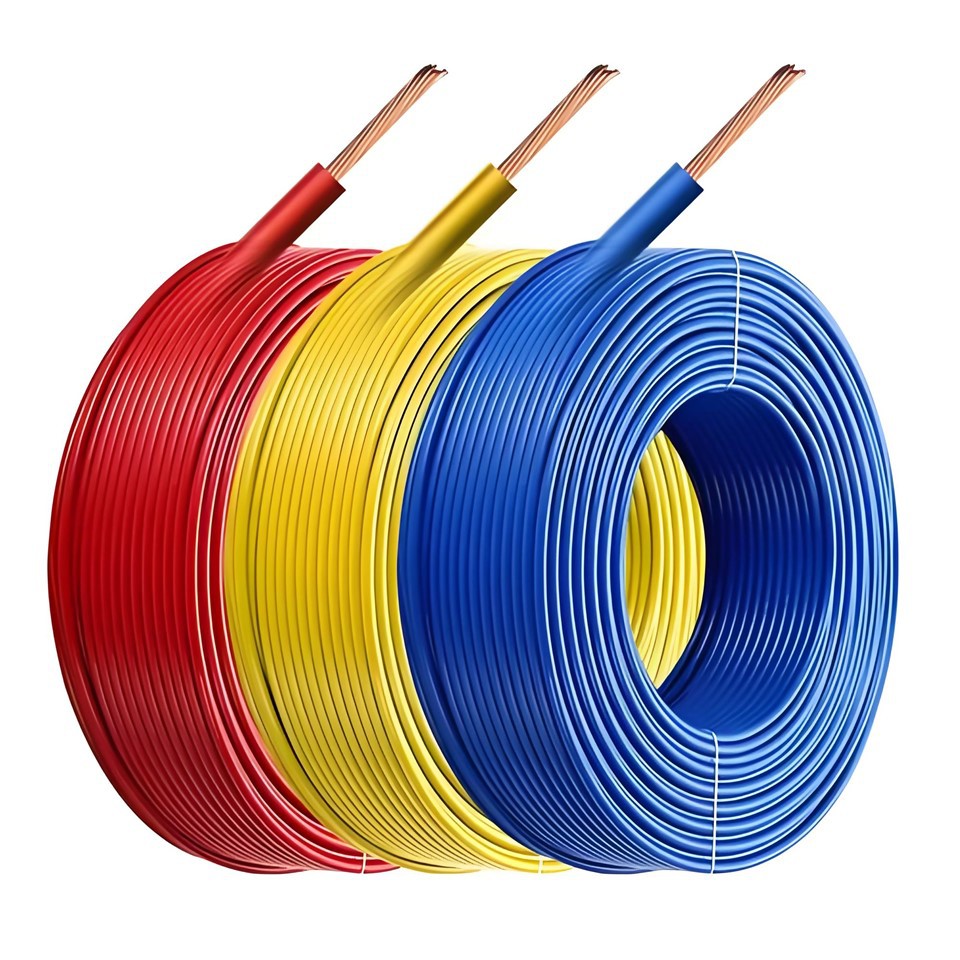
In the residential industry, the color - coding standards are pretty well - established. The most common colors you'll see are black, red, white, and green.
Black wires are usually used for hot or live wires. These carry the electrical current from the power source to the electrical devices in your home. For example, when you plug in a lamp, the black wire in the cord is what's bringing the electricity to light up the bulb.
Red wires are also hot wires, but they're often used in special situations. In a three - way switch setup, red wires are used to connect the switches and allow you to control a single light from two different locations.
White wires are neutral wires. They complete the electrical circuit and carry the current back to the power source. Think of them as the return path for the electricity.
Green or bare copper wires are for grounding. Grounding is crucial because it provides a safe path for electrical current in case of a short circuit. If there's a problem with an electrical device, the excess current will flow through the grounding wire instead of posing a risk to people or causing a fire.
When it comes to wiring a house, you can check out Cables for Wiring A House for more detailed information. Our Solid Building Wires are designed to meet these residential color - coding standards, ensuring a safe and efficient electrical system in your home.
Commercial Industry
The commercial industry has more complex electrical needs, and the color - coding standards reflect that. In addition to the basic colors used in residential wiring, there are other colors for different purposes.
Blue wires are often used for travelers in multi - way switch systems, similar to how red wires are used in three - way switches in homes. Gray wires can be used as neutral wires in some commercial applications.
Orange wires are sometimes used for high - voltage circuits. In a commercial building, there might be areas with higher electrical demands, like large machinery or industrial equipment. Orange wires are used to clearly mark these high - voltage circuits to prevent accidental contact.
Yellow wires can be used for switched legs, which are wires that carry power to a device only when a switch is turned on. This is useful in areas where you want to control the power to specific equipment.
For commercial projects, our Solid Building Wires are available in a wide range of colors to meet all these requirements. And if you're looking for more flexibility in your wiring, you might want to check out Flexible Building Wire.
Industrial Industry
The industrial industry takes color - coding to another level. With heavy machinery, complex electrical systems, and high - power requirements, the color - coding standards are very specific.
Brown wires are commonly used for hot wires in three - phase electrical systems. Three - phase power is used in many industrial applications because it can provide more power and is more efficient.
Violet wires can be used for control circuits. These circuits are used to operate and control various industrial equipment, like motors and pumps.
In industrial settings, safety is of utmost importance. The color - coding helps workers quickly identify the function of each wire, reducing the risk of electrical accidents. Our Solid Building Wires are made to meet the strict color - coding standards of the industrial industry, ensuring reliable and safe operation. And if you're looking for the right cable for your industrial building, Cable for House has some great options.
Why Color - Coding Matters
You might be wondering why all this color - coding is such a big deal. Well, for starters, it's a safety thing. When electricians are working on a wiring project, they can quickly tell which wire is which just by looking at the color. This reduces the chances of making mistakes, like connecting a hot wire to a neutral wire, which could lead to short circuits, electrical fires, or even electrocution.
Color - coding also makes maintenance and troubleshooting easier. If there's a problem with an electrical system, technicians can easily trace the wires based on their colors. They don't have to spend a lot of time testing each wire to figure out what it does.
Our Solid Building Wires
As a supplier of Solid Building Wire, we understand the importance of color - coding. That's why our wires are manufactured to meet the highest standards in all industries. We use high - quality materials to ensure the durability and reliability of our wires.
Whether you're working on a small residential project or a large industrial installation, our Solid Building Wires are the right choice. We offer a wide range of colors to meet your specific needs, and we can provide you with the technical support you need to ensure a successful wiring project.
If you're interested in purchasing our Solid Building Wires, we'd love to have a chat with you. Contact us to discuss your requirements, and we'll work with you to find the best solutions for your project.
References
- National Electrical Code (NEC)
- Electrical Wiring Handbook
- Industry - specific electrical standards and guidelines