

As a supplier of overhead service cables, I often encounter inquiries from customers about the chemical - resistance properties of these cables. Understanding these properties is crucial as it directly impacts the cable's performance, durability, and lifespan, especially in various industrial and environmental settings.
Understanding Chemical Resistance in Overhead Service Cables
Chemical resistance refers to a cable's ability to withstand the effects of various chemicals without significant degradation. Overhead service cables are exposed to a wide range of chemicals in different environments. For instance, in industrial areas, they may come into contact with acids, alkalis, solvents, and oils. In coastal regions, they are exposed to saltwater and other corrosive substances.
The chemical - resistance properties of an overhead service cable are determined by several factors, including the materials used in its construction. The outer sheath of the cable is the first line of defense against chemical attack. Common materials for cable sheaths include polyvinyl chloride (PVC), polyethylene (PE), and fluoropolymers.
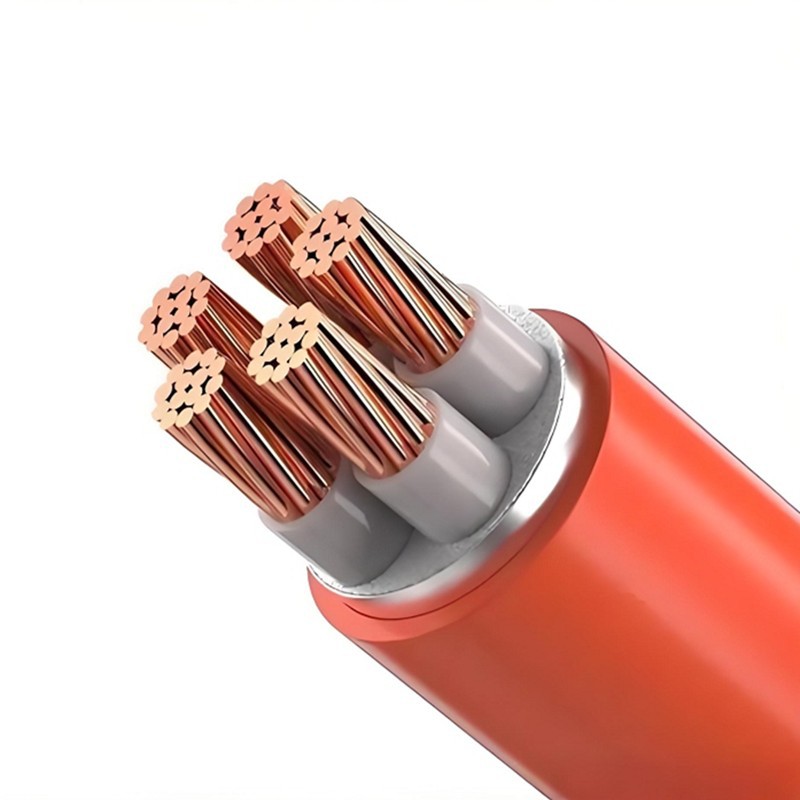
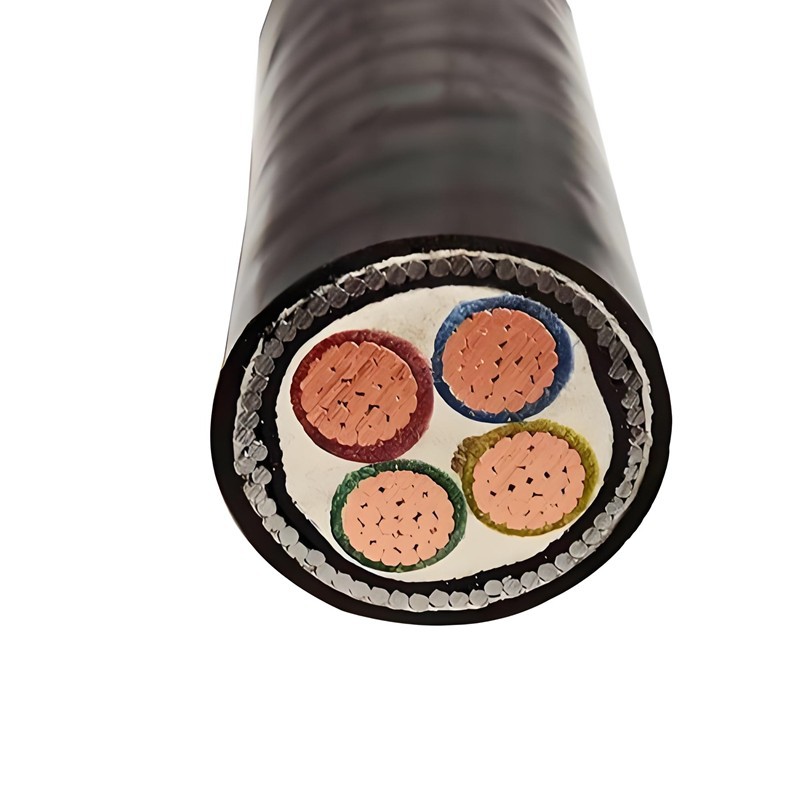
PVC is a popular choice for cable sheaths due to its relatively low cost and good general chemical resistance. It can resist many common chemicals such as weak acids, alkalis, and some solvents. However, it may not be suitable for applications where it will be exposed to strong solvents or certain types of oils. You can learn more about PVC cables by visiting our Pvc Control Cable page.
PE has excellent resistance to moisture and many chemicals, including acids and alkalis. It is also resistant to stress cracking, which makes it a good choice for outdoor applications. Fluoropolymers, on the other hand, offer the highest level of chemical resistance. They can withstand a wide range of aggressive chemicals, including strong acids, alkalis, and solvents. However, they are more expensive than PVC and PE.
Testing Chemical Resistance
To ensure that our overhead service cables meet the required chemical - resistance standards, we conduct a series of tests. These tests simulate the actual conditions that the cables may encounter in the field.
One of the most common tests is the immersion test. In this test, samples of the cable are immersed in various chemicals for a specified period. After the immersion, the cables are examined for any signs of degradation, such as changes in appearance, weight, or mechanical properties.
Another test is the exposure test. In this test, the cables are exposed to a controlled environment where they are sprayed with chemicals or exposed to chemical vapors. The cables are then monitored over time to assess their performance.
Impact of Chemical Resistance on Cable Performance
The chemical - resistance properties of an overhead service cable have a significant impact on its performance. If a cable is not resistant to the chemicals it is exposed to, it may experience degradation over time. This can lead to a reduction in the cable's electrical conductivity, an increase in its resistance, and a decrease in its mechanical strength.
For example, if a cable's sheath is damaged by a chemical, it may allow moisture to enter the cable. This can cause corrosion of the conductors, which can lead to electrical failures. In addition, a damaged sheath can also reduce the cable's mechanical protection, making it more vulnerable to physical damage.
Applications and Chemical Resistance Requirements
Different applications have different chemical - resistance requirements. In the industrial sector, overhead service cables may be used in chemical plants, refineries, and other facilities where they are exposed to a wide range of chemicals. In these applications, cables with high chemical resistance are essential to ensure reliable operation.
In the telecommunications industry, overhead service cables are used to transmit data and voice signals. These cables are often exposed to environmental chemicals such as ozone, which can cause degradation of the cable's insulation. Therefore, cables with good ozone resistance are required.
In the power distribution sector, overhead service cables are used to transmit electricity. These cables may be exposed to chemicals in the soil, such as acids and alkalis. Cables with good resistance to these chemicals are necessary to prevent corrosion of the conductors and ensure long - term reliability.
Our Product Offerings
As a leading supplier of overhead service cables, we offer a wide range of products with different chemical - resistance properties. Our Armoured Control Cable is designed to provide excellent protection against mechanical and chemical damage. It is suitable for use in industrial environments where it may be exposed to harsh chemicals.
Our Low Voltage Power Cable is also available with different levels of chemical resistance. We can customize the cable's sheath material to meet the specific chemical - resistance requirements of your application.
Conclusion
In conclusion, the chemical - resistance properties of an overhead service cable are of utmost importance. They determine the cable's ability to withstand the effects of various chemicals and ensure reliable performance in different environments. As a supplier, we are committed to providing high - quality cables with excellent chemical - resistance properties.
If you are interested in our overhead service cables or have any questions about their chemical - resistance properties, please feel free to reach out to us for a detailed discussion and procurement negotiation. We are here to help you find the best cable solution for your specific needs.
References
- "Handbook of Cable Technology" by William Andrew Publishing
- "Electrical Power Cable Engineering" by Arthur J. DellaVecchia