

As a supplier of screened control cables, I've seen firsthand how the choice of shielding material can make or break the performance of these cables. Let's dive into the nitty - gritty of how different shielding materials impact the functionality of screened control cables.
Understanding Screened Control Cables
Before we get into the shielding materials, let's quickly go over what screened control cables are. These cables are used in a wide range of applications, from industrial automation to building management systems. Their main job is to transmit control signals reliably, while protecting them from external interference. That's where the shielding comes in.
Types of Shielding Materials and Their Impact
Copper Foil Shielding
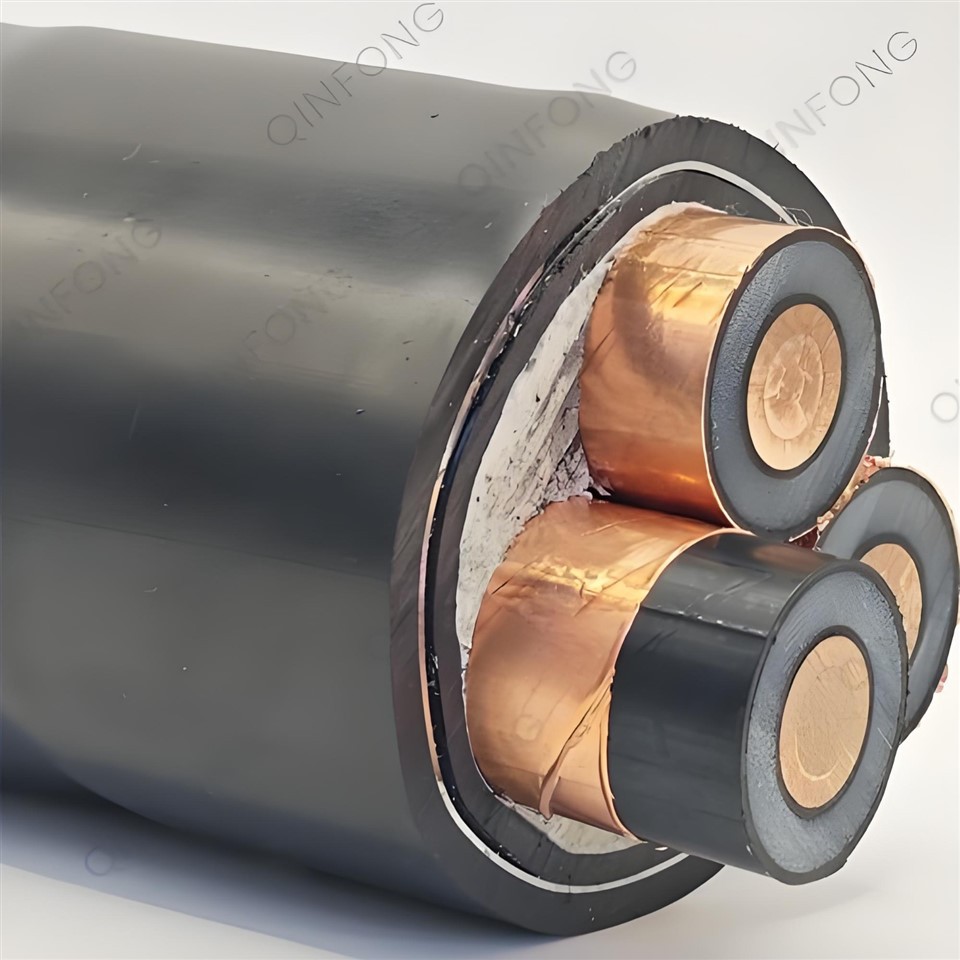
Copper foil is one of the most commonly used shielding materials. It's a thin layer of copper that wraps around the cable conductors. One of the big advantages of copper foil is its high conductivity. This means it can effectively absorb and redirect electromagnetic interference (EMI) and radio - frequency interference (RFI).
When it comes to performance, copper foil shielding provides excellent low - frequency shielding. It can block out a significant amount of EMI, which is crucial in environments where there are a lot of electrical devices. For example, in a factory setting with numerous motors and control systems, copper foil - shielded cables can ensure that the control signals are not disrupted.
However, copper foil has its limitations. It's relatively fragile compared to other shielding materials. If the cable is bent or flexed too much, the foil can crack, reducing its shielding effectiveness. Also, it may not be as effective at high frequencies as some other materials.
Braided Copper Shielding
Braided copper shielding consists of a mesh of copper wires woven around the cable. This type of shielding offers better flexibility compared to copper foil. It can withstand more bending and flexing without losing its shielding properties.
In terms of performance, braided copper shielding is great for both low - and high - frequency interference. The open structure of the braid allows for good airflow, which can help in dissipating heat. This is important in applications where the cable may generate a lot of heat during operation. For instance, in a power distribution cabinet, braided copper - shielded cables can handle the heat while still providing reliable shielding.
But there are also some downsides. Braided copper shielding may not provide as complete coverage as copper foil. There are small gaps in the braid, which can allow some interference to sneak through. Also, it's more expensive to manufacture compared to copper foil shielding.
Aluminum Foil Shielding
Aluminum foil is another option for shielding screened control cables. It's lightweight and cost - effective. Aluminum foil can provide good shielding against EMI, especially at lower frequencies.
One of the benefits of aluminum foil is its corrosion resistance. In environments where the cable may be exposed to moisture or chemicals, aluminum foil can protect the conductors and maintain the cable's performance. For example, in a marine or outdoor application, aluminum foil - shielded cables can last longer.
However, aluminum has lower conductivity than copper. This means it may not be as effective at blocking high - frequency RFI. Also, like copper foil, it can be brittle and may crack if the cable is bent too much.
Combination Shielding
Some cables use a combination of shielding materials, such as copper foil and braided copper. This approach tries to take advantage of the best properties of each material. The copper foil provides good low - frequency shielding and a solid base layer, while the braided copper adds flexibility and better high - frequency performance.
Combination shielding can offer a more comprehensive solution for different types of interference. It's often used in high - end applications where reliability is of the utmost importance, like in aerospace or medical equipment.
Impact on Signal Integrity
The choice of shielding material directly affects the signal integrity of the screened control cable. A good shielding material can prevent signal loss and distortion. When there's a lot of external interference, an ineffective shielding material can cause the control signals to become weak or corrupted.
For example, if a cable is used in an area with a lot of radio - frequency noise and the shielding material can't block it, the control system may receive incorrect signals. This can lead to malfunctions in the equipment, which can be costly and dangerous in some cases.
Impact on Cable Durability
Shielding materials also play a role in the durability of the cable. As mentioned earlier, some materials like copper foil are more fragile and can crack easily. This can lead to a decrease in shielding effectiveness over time.
On the other hand, materials like braided copper are more flexible and can withstand more wear and tear. A cable with a durable shielding material will last longer, reducing the need for frequent replacements. This is especially important in applications where the cable is difficult to access, such as in underground or buried installations.
Impact on Cost
The cost of the shielding material is an important factor for many customers. Copper - based shielding materials, especially braided copper, are generally more expensive than aluminum foil. This can impact the overall cost of the cable.
However, it's important to consider the long - term benefits. A more expensive shielding material may provide better performance and durability, which can save money in the long run by reducing maintenance and replacement costs.
Conclusion
In conclusion, the shielding material has a significant impact on the performance of a screened control cable. Different materials offer different advantages and disadvantages in terms of shielding effectiveness, signal integrity, durability, and cost.
As a supplier, I understand that each customer's needs are unique. Whether you're looking for a cable for a high - frequency application or a cost - effective solution for a less demanding environment, we can help you choose the right shielding material.
If you're in the market for screened control cables, or if you want to learn more about Mechanical Control Cable, Medium Voltage Power Cable, or Hv Power Cable, don't hesitate to reach out. We're here to assist you in making the best choice for your specific requirements. Contact us to start a procurement discussion and find the perfect cable for your project.

References
- Grover, W. D. (2004). Understanding electromagnetic compatibility. Newnes.
- Ott, H. W. (2009). Noise reduction techniques in electronic systems. Wiley.